
Anuncio
Me encanta Orlando
Inicio Blog

Summer Concerts Are Here … But So Are Ticket Scams

Summer Concerts Are Here … But So Are Ticket Scams

Summer is officially here, and with it comes the buzz of festival season, sold-out concerts, and marquee sporting events. From Lady Gaga lighting up Sydney to sizzling tennis finals in Melbourne. Australians are ready to make the most of the summer event calendar. But as excitement builds, a darker trend is on the rise: online ticket scams.

New research from PayPal has revealed that one in five Australians has been scammed when buying tickets online, with victims losing an average of $432 each time. The data paints a clear picture of who’s most at risk: younger Australians are feeling the sting the hardest. Fifteen percent of Gen Z and Millennials report losing $750 or more to ticket fraud, while Australians over 45 seem to be somewhat shielded from the most extreme losses.

Even more worrying, nearly half of those scammed reported losses between $100 and $499. And while some of us think we can sniff out a fake deal, the lure of a bargain is a powerful draw. Around one in twelve Australians admitted they might “take the risk” if the ticket price seemed too good to ignore. Among Gen Z, that figure jumps to 18%. Scammers know that FOMO and urgency are irresistible drivers during peak event season, and they’re exploiting it.

Despite the rise in scams, there are glimmers of hope. Australians are becoming more cautious. The research shows that two in three fans understand the importance of sticking to official ticketing sites, and 52% avoid buying tickets through social media platforms, which remain a hotspot for fraud. But even savvy buyers aren’t immune = fake listings, doctored screenshots, and impersonation scams are becoming increasingly sophisticated.

Sascha Hess, Chief Information Security Officer at PayPal Australia, warns: “Scammers know that when tickets sell out fast, fans can be tempted to take risks. Unfortunately, fake tickets don’t just cost you money, they can rob you of the experience itself. The good news is, there are simple ways to stay protected – using secure payment methods like PayPal, which offers Buyer Protection on eligible purchases, means you could be refunded if something goes wrong or no tickets ever arrive.”

So, what can fans do to protect themselves while still enjoying the live events they love? PayPal has shared some top tips for staying safe:

  1. Buy from official sellers whenever possible. Primary ticketing platforms significantly reduce the risk of scams. Earlier this year, PayPal partnered with Ticketek to offer secure, flexible payments for fans.
  2. Use payment methods with Buyer Protection. Avoid cash, direct bank transfers, or payments that can’t be reversed. PayPal protects eligible purchases, so if tickets never arrive or turn out to be fake, they will refund you.
  3. Be cautious on social media marketplaces. Scammers frequently create fake listings, doctor screenshots, impersonate sellers, or vanish after receiving payment.
  4. Check reviews and URLs carefully. If a site looks suspicious, search for verified reviews or go straight to the official website.
  5. Report suspicious activity. More than half of Australians say they would report suspicious offers, helping protect other fans from falling victim.

Summer in Australia is full of unforgettable experiences, from the high-energy pop of Lady Gaga at the Sydney SuperDome to major music festivals across Melbourne and Brisbane. But the thrill of live entertainment shouldn’t come at the cost of your wallet. By sticking to trusted platforms, using secure payment methods, and staying vigilant online, fans can enjoy the music, sport, and festival experiences they’ve been dreaming of—without the heartbreak of losing money to scams.

As Australians dive into this season of concerts, festivals, and major sporting events, remember: if a deal seems too good to be true, it probably is. Plan ahead, protect yourself, and make this summer memorable for all the right reasons.

The post Summer Concerts Are Here … But So Are Ticket Scams first appeared on Women Love Tech.
A Parent’s Guide to Surviving the Social Media Ban … From a Mum Who Has Been There, Done That

A Parent’s Guide to Surviving the Social Media Ban … From a Mum Who Has Been There, Done That

When Australia announced restrictions on social media for under-16s, the reaction from parents was immediate — and emotional. For some, it sparked anxiety about kids being “left out”. For others, frustration at yet another rule to manage. But quietly, in many households, it also brought something unexpected: relief.

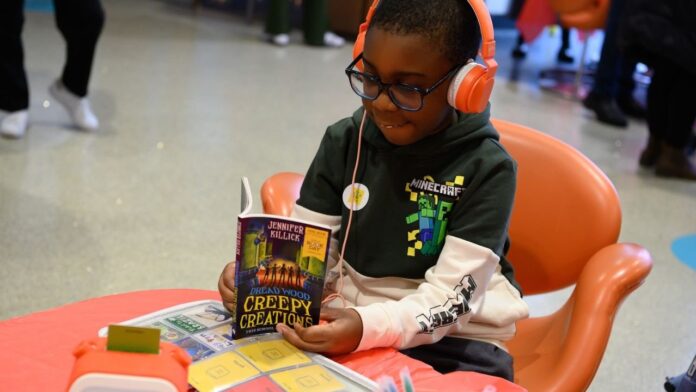
For Sharina Simnett, Country Manager ANZ at Yoto and mum of two, that feeling came almost instantly. “Honestly, as a parent of two, my first reaction was relief,” she says.

Not because parenting suddenly became easier, but because the ban created something families rarely get — permission to pause.

Earlier this year, research conducted by Yoto found Aussie kids are spending around 2.6 hours a day on screens. Against that backdrop, the social media ban doesn’t feel like a punishment so much as an invitation to reset. “Not in a perfectionist way — just a chance to be a bit more intentional, bring more conversation back into the day, and make space for stories, music and real-world moments that kids genuinely enjoy,” Simnett explains.

What changes when scrolling stops

Without the constant pull of endless feeds, Simnett believes daily life starts to look very different for kids. “Without the pull of endless scrolling, they’ll have far more time for active, imaginative play.” And perhaps more importantly, children regain something that’s increasingly rare: mental space. “It gives children back the headspace to simply be kids — to get bored, explore, and connect with the world around them in a more meaningful way.”

The shift isn’t just for children either. “I also think this is a bit of a wake-up call for parents to reflect on their social media habits too and work to get a better balance,” Simnett adds.

Why screen-free time really matters

Time away from screens isn’t about filling the day with activities — it’s about how children engage with the world. Simnett says those moments of offline play are where important skills are built. “When they’re building, drawing, listening, or even just chatting, they’re developing key skills like spatial awareness, problem-solving, and emotional regulation.”

Over time, she says, those everyday interactions add up. “This will help them build stronger executive function and better social skills, so they’re more confident and capable as they grow.”

What actually worked in her own home

For Simnett, reducing screen time at home wasn’t about strict rules or sudden bans. It started with behaviour. “Role modelling made the biggest difference for us,” she says. The TV stopped playing in the background, and phones were put away during key moments so everyone could be properly present.

One simple rhythm made a surprising impact: a weekly Screen-Free Sunday. “Not in a perfectionist way — just a consistent rhythm we could stick to,” Simnett explains. The early resistance was real, but having a plan helped. “Rather than taking screens away and leaving a gap, we’d put on an audio story and let that lead the moment.”

Tech-free zones followed — bedrooms, the kitchen, and especially the dinner table. “Over time, those small shifts really added up — and helped show them there’s a whole world beyond scrolling, one they actually want to be part of.”

Sharina Simnett, Country Manager ANZ at Yoto and mum of two shares her social media ban tips for parents

Making screen-free time feel positive, not punishing

One of the biggest challenges parents face is avoiding power struggles. “If screen-free time feels like something being taken away, it’s going to feel like a punishment,” Simnett says.

Instead, her family focuses on what’s being added. “‘Let’s pick a story’, ‘Shall we do something cosy?’, or ‘It’s time for creative play,’ instead of ‘No tablets,’” she explains. Giving children some choice within those boundaries helps them feel involved rather than controlled.

Consistency also plays a role. “Putting our own phones away at those times makes it feel like a shared habit, not a rule aimed at them.”

Why listening can replace scrolling

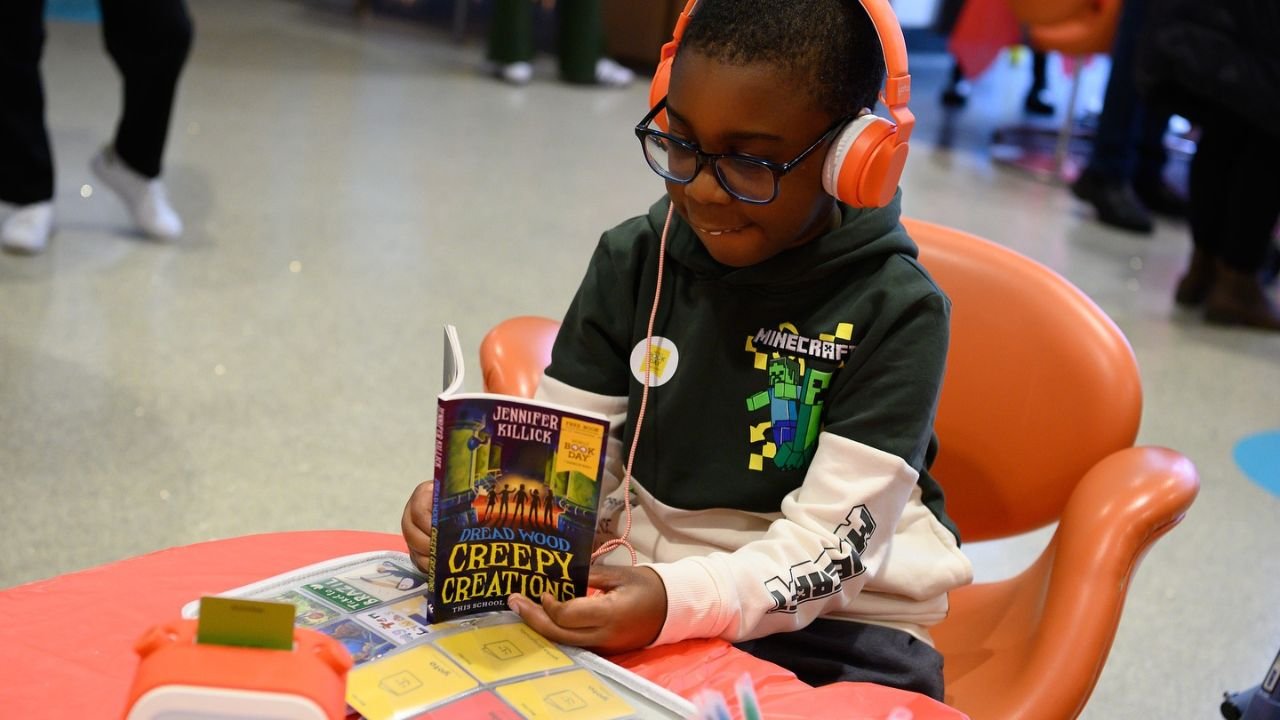
Audio-first content became a natural bridge away from screens in Simnett’s home — not as a rule, but as an alternative. “Audio content is a powerful alternative because it’s immersive without being restrictive,” she says. Listening invites imagination rather than replacing it. “They’re actively imagining the characters, settings, and actions. We talk about the story, act it out sometimes and also have the option to read along with the book.”

She says kids often respond better than parents expect. “When kids swap scrolling for listening to stories, songs or podcasts, they become more settled, more focused and more independent.” Audio also slips easily into everyday life — in the car, during play, or while winding down.

Handling the pushback

The hardest part, Simnett admits, is the resistance. “The inevitable ‘I’m bored’ moment.” Screens offer instant stimulation, so pushback is normal — for adults too.

What helps is staying calm and consistent. “Once kids realise there’s a predictable rhythm, the ‘bored’ phase tends to pass much faster.” Having a few simple, screen-free alternatives ready can make transitions easier.

It’s a common worry for parents, especially as kids get older. But Simnett reframes the concern. “The goal isn’t to cut kids off socially — it’s to shift where that ‘social’ time happens.” More offline connection — sport, clubs, playdates and shared rituals — often builds stronger, more secure friendships.

One thing to remember

If Simnett could offer one piece of advice to parents navigating the social media ban, it would be this:
“Make the alternative more exciting than the restriction, and kids will naturally gravitate towards it.”

You don’t need perfection — just a few consistent screen-free moments, patience through the pushback, and the confidence to trust that, over time, it really does get easier.

The post A Parent’s Guide to Surviving the Social Media Ban … From a Mum Who Has Been There, Done That first appeared on Women Love Tech.

Fallout x BlackMilk Collab: Gaming Gets Fashionable

Fallout x BlackMilk Collab: Gaming Gets Fashionable

Aussie cult fashion label BlackMilk has teamed up with Fallout for its biggest gaming collab of the year, delivering a collection that feels like it’s been scavenged straight from the wasteland… then styled for everyday life.

If you’re new to Fallout, here’s the short, radiation-free explainer. The long-running game franchise (created by Bethesda Softworks) is set in an alternate future where the world as we know it ended in nuclear catastrophe. Think retro-futuristic Americana, 1950s optimism frozen in time, and a civilisation trying to rebuild itself among irradiated ruins. Players emerge from underground “Vaults” into a world full of moral choices, strange factions, dark humour, and unforgettable companions — including Dogmeat, the very good post-apocalyptic dog who has melted hearts since Fallout 3.

It’s a universe that’s equal parts bleak and playful, and that contrast is exactly what makes it so ripe for fashion. BlackMilk’s Fallout collection doesn’t just slap logos on tees — it leans hard into the lore. Designed by a team of genuine Fallout fans, every piece is packed with references that longtime players will recognise instantly, while still being wearable if you’ve never picked up a Pip-Boy in your life.

The Fallout x BlackMilk Collab includes more than 20 designs, spanning tees, knits, dresses, jackets, pants, skirts and accessories, with prices starting from $12 for accessories and $59 for apparel. Translation: you can dip a toe into the wasteland or go full Vault Dweller chic.

One standout is the Please Stand By Oversized Unisex Knit ($129), woven in an atomic green hue that feels straight out of a Vault-Tec waiting room. Subtle sleeve embroidery nods to the game’s iconic “Please Stand By” screens — perfect for cold mornings, couch gaming marathons, or pretending the world hasn’t ended (yet).

Then there’s the Tunnel Snakes Rule Moto Jacket ($249), which is basically Fallout fan service in jacket form. Inspired by the infamous Tunnel Snakes gang from Fallout 3, it replicates the original jacket right down to stud placement. The bold snake embroidery across the back and Vault-Tec 101 lining inside make it a wearable love letter to one of the game’s most notorious crews. Zip it up and suddenly you’re not just dressed — you’re aligned.

For something a little more playful, the Nuka-Cola Touchdown Jersey Tee ($119) bottles the chaotic fun of Fallout’s most famous fictional soft drink. Featuring Nuka-Girl artwork front and back, plus hidden bottle motifs on the sleeves and neckband, it feels like the kind of souvenir you’d pick up after a slightly unhinged day at Nuka-World.

Dogmeat fans are especially well fed here. The Red Rocket Station Knit Vest ($89) features an embroidered Dogmeat detail on the chest and the retro Red Rocket logo across the back — a nod to your very first moments in Fallout 4. Pair it with the matching Red Rocket Station Shorts ($89), covered in illustrated Dogmeat artwork, and you’ve got instant companion energy. Loyal, fearless, and always ready to help — honestly, same.

Rounding things out is the Commonwealth Choices Wizard Dress ($139), which captures one of Fallout’s core ideas: every decision matters. Set on a pine-green base inspired by the eerie glow of post-war skies, it features flocked Vault Boy faces representing Charisma, Luck, and all the traits that shape your in-game fate. The dramatic handkerchief hem makes it a true statement piece — wasteland drama included.

This collab feels especially fitting for BlackMilk. Founded in Brisbane, the brand has built its reputation on bold prints, pop culture storytelling, and unapologetic self-expression. Fallout’s world — strange, stylish, and stubbornly human — fits right in.

Whether you’re a hardcore Fallout tragic or just love fashion with a bit of lore baked in, this collection proves one thing: even after the end of the world, style survives.

The post Fallout x BlackMilk Collab: Gaming Gets Fashionable first appeared on Women Love Tech.

Fake News! Six Social Media Myths About the Bondi Beach Shooting

Fake News! Six Social Media Myths About the Bondi Beach Shooting

In the hours and days following the Bondi Beach shootings, social media moved faster than facts. Images, videos and claims spread at lightning speed across platforms like X, Facebook and TikTok, many of them framed as “evidence” that the public wasn’t being told the full story. As is increasingly the case after traumatic events, misinformation flourished in the vacuum before official details were fully confirmed.

What follows is a breakdown of some of the most widely shared online myths surrounding the Bondi Beach shootings. And the verified facts that dispel them.

Myth 1: Parking fines were issued immediately after the attack

The Bondi Beach shooting fake news: Images circulated online purporting to show parking fines being issued to cars in the area shortly after the shootings, sparking outrage and claims of bureaucratic insensitivity.

The facts: Authorities confirmed the fines shown in the images were issued before the attack occurred. The timestamps and issuing details pre-dated the incident, and there is no evidence that parking enforcement was carried out in the aftermath. The images were real, but their context was deliberately misrepresented.

This is a classic example of how genuine photos can still be used to tell a false story.

Myth 2: A police officer “froze” or surrendered during the shooting

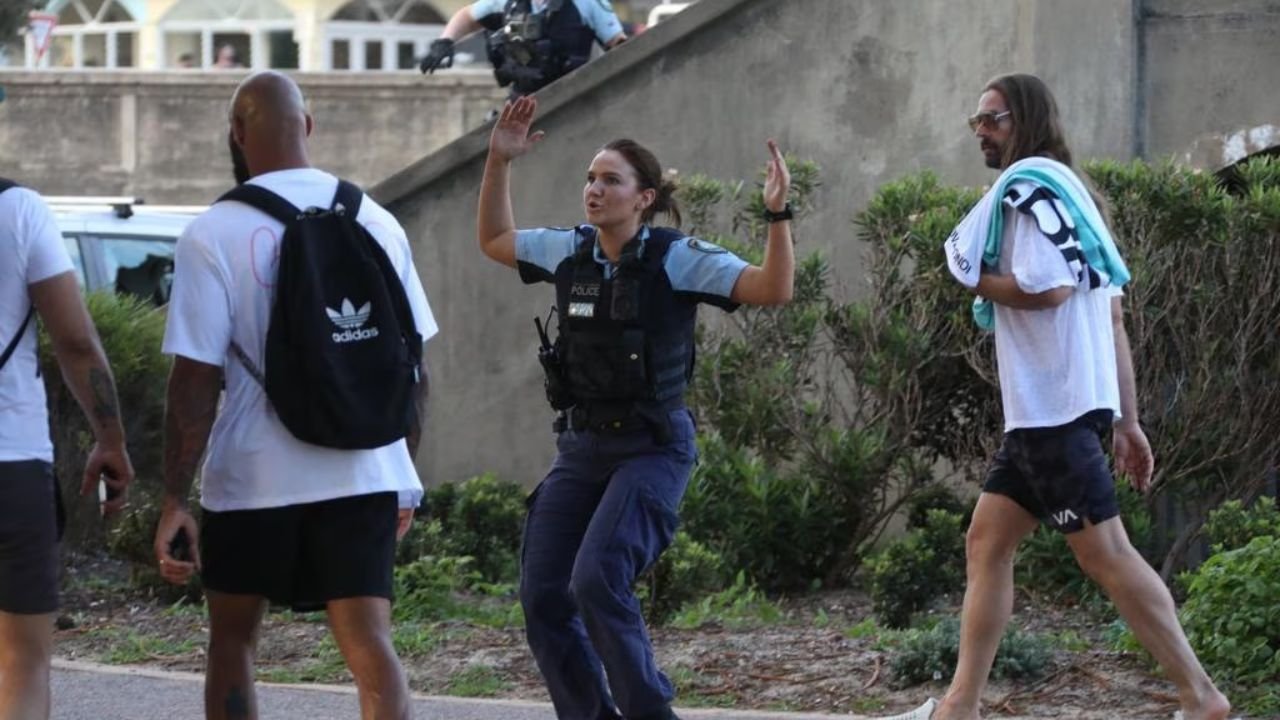
The Bondi Beach shooting fake news: A photo of a female police officer with her hands raised went viral, with captions suggesting she had frozen, surrendered, or failed to act while shots were fired.

The facts: Police clarified that the officer’s raised hands were a deliberate gesture used to direct members of the public to keep moving and clear the area. At that moment, she was actively trying to prevent further harm by managing crowd movement.

“There was no freezing or surrender,” police said. “Her hands were up to signal civilians to continue moving away from danger.”

A single still image, stripped of context, was enough to fuel an entirely false narrative.

Bondi Beach Shooting Fake News myths

Myth 3: The shooting was staged and victims were actors

The Bondi Beach shooting fake news: A viral deepfake video appeared to show a real victim, Arsen Ostrovsky, on what looked like a film set having fake blood applied, suggesting the entire attack was staged.

The facts: The video was confirmed to be AI-generated. Ostrovsky is a real person who was genuinely injured in the attack. The manipulated footage was created to deliberately sow doubt and conspiracy, using increasingly sophisticated generative AI tools.

Experts warn this type of content is becoming harder to identify, particularly when viewers are already emotionally primed by shocking news.

Bondi Beach Shooting Fake News myths

Myth 4: The hero bystander was “Edward Crabtree”

The Bondi Beach shooting fake news: Shortly after the attack, a legitimate-looking news article began circulating that identified the man who tackled one of the gunmen as Edward Crabtree, a 43-year-old IT professional, complete with quotes from a hospital bed.

The facts: The article was fake. It appeared on a website called thedailyaus.world, which has no connection to Australian outlet The Daily Aus. The site was registered by a user claiming to be based in Iceland just hours after the attack.

The real hero was Ahmed Al Ahmed, a father from Sydney’s Sutherland Shire, who was shot twice while disarming one of the gunmen. High-profile figures including hedge fund manager Bill Ackman publicly corrected the misinformation, noting how far the false account had travelled.

Even world leaders weren’t immune: Israeli Prime Minister Benjamin Netanyahu initially misidentified the bystander before the error was corrected.

Bondi Beach Shooting Fake News myths

Myth 5: Israelis or Indians searched the shooter’s name before the attack

The Bondi Beach shooting fake news: Facebook posts alleged that users in Israel — and later India — had searched the name “Naveed Akram” on Google hours or days before the shooting, implying foreknowledge or coordination.

The facts: AAP FactCheck reviewed Google Trends data and found no evidence of searches for the name in Israel or India prior to the attack. The claims were categorically false and relied on misread or fabricated screenshots.

There is no credible data supporting the suggestion that anyone overseas had advance knowledge of the incident.

Myth 6: The shooter was a former Israeli Defence Force soldier

The Bondi Beach shooting fake news: Viral posts falsely claimed the shooter was a former IDF soldier who had “lost his mind” after being stationed in Gaza, often accompanied by AI-generated images of him in military uniform.

The facts: There is no evidence the shooter ever served in the Israeli Defence Force or any military. Authorities confirmed these claims were entirely fabricated. The images used were digitally generated, designed to provoke outrage and link the tragedy to global political tensions.

This form of misinformation relies on emotional association rather than evidence — and spreads quickly during times of heightened geopolitical sensitivity.

Why misinformation spreads after tragedy

Moments of shock and grief create fertile ground for false narratives. People search for meaning, blame and certainty, often sharing unverified content out of fear or anger rather than malice. Algorithms then amplify the most emotionally charged material, not the most accurate.

The Bondi Beach shootings underscore how quickly misinformation can distort public understanding, unfairly target individuals, and deepen social divisions.

The takeaway

Not every viral image is fake — but context matters. Not every “breaking” update is true — and speed is not accuracy. In the aftermath of violence, pausing to verify before sharing is not just responsible, it’s necessary.

In an age of deepfakes, fake news sites and algorithm-driven outrage, separating myth from fact has never been more important — or more difficult.

The post Fake News! Six Social Media Myths About the Bondi Beach Shooting first appeared on Women Love Tech.

Couture Meets Conscience With The Epson x The Social Outfit Collab

Couture Meets Conscience With The Epson x The Social Outfit Collab

Style may be circular. But, the rise in the art of ethical fashion shows no sign of slowing down.

This has been shown by the recent Epson x The Social Outfit Collab, which brought looks to life through digitally printed fabrics on Epson’s Monna Lisa ML-8000 .

By providing paid employment, mentorship, and skills training for refugee and migrant women, the label transforms lives while crafting limited-edition collections from remnant and dead stock fabrics. The result is fashion that is socially conscious, environmentally attuned, and unerringly stylish—pieces that feel as meaningful as they do magnetic.

Epson’s technology amplifies this vision, turning community stories into wearable art.

“The Monna Lisa printer allows us to translate the creativity and experiences of our makers directly into the fabric,” explains CEO Amy Low. Each print tells a story—of resilience, culture, and artistry—bringing the voices behind the designs into vivid, tangible form.

A standout example is the community print story ‘Sama,’ created by women from the Chester Hill Community Hub. Digitally printed fabrics are transformed into garments in The Social Outfit’s Marrickville atelier, where craft meets couture. Each piece is intricate, layered, and alive—fashion as both statement and advocacy, where texture, color, and narrative converge effortlessly.

“Our collaboration allows us to explore the full potential of Australian-made fashion. Epson has amplified our vision from fabric to finished garment, enriching the way our collections are experienced and adored.”

For designers, fashion enthusiasts, and socially conscious consumers, this collaboration is a blueprint for the future of style: garments that are as aesthetically compelling as they are ethically grounded. Collections like ‘Sama’ invite wearers to engage with fashion that tells a story, celebrates craft, and uplifts communities—all while making a sartorial statement.

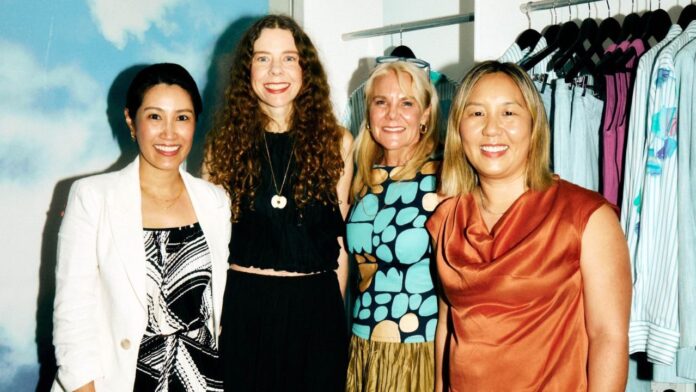
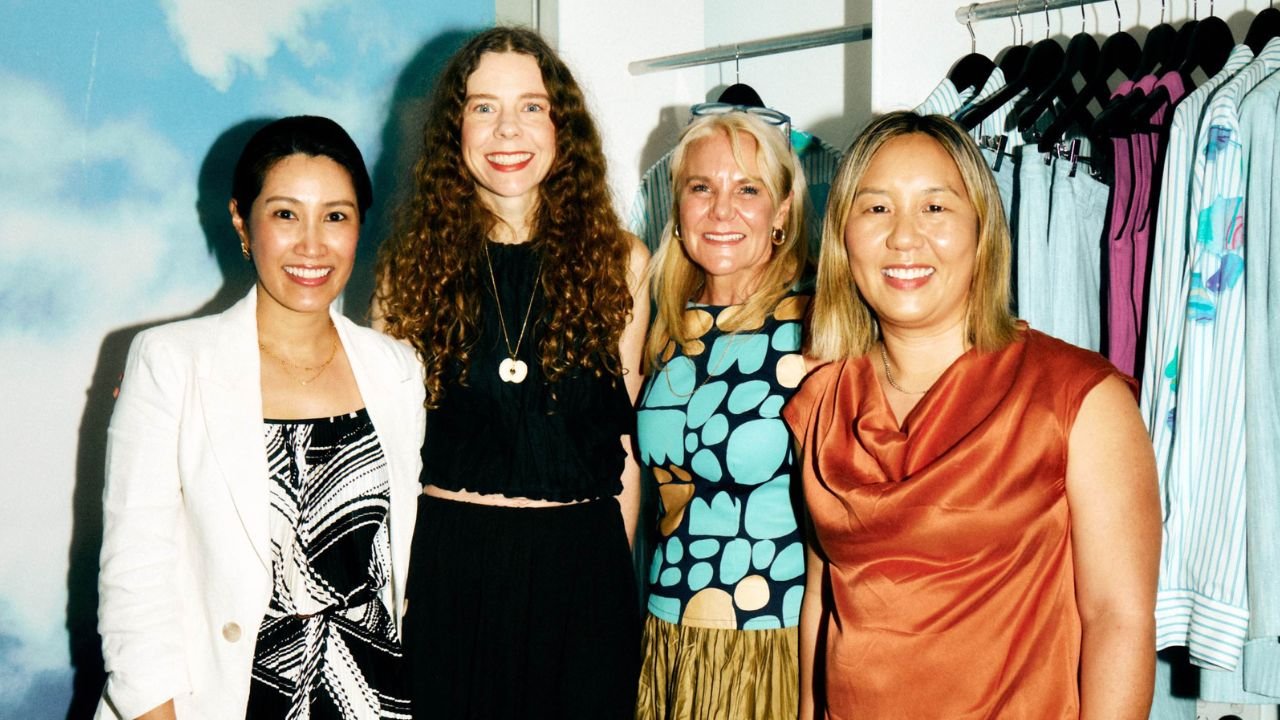
Main feature image (left to right): Epson Australia environment and sustainability manager Fatida Un, The Social Outfit ambassador Bianca Spender, Epson A/NZ corporate marketing manager Priscilla Dickason and The Social Outfit CEO Amy Low

The post Couture Meets Conscience With The Epson x The Social Outfit Collab first appeared on Women Love Tech.
Logitech’s New Pink PRO Line: A Weekend LAN-Tested Review

Logitech’s New Pink PRO Line: A Weekend LAN-Tested Review

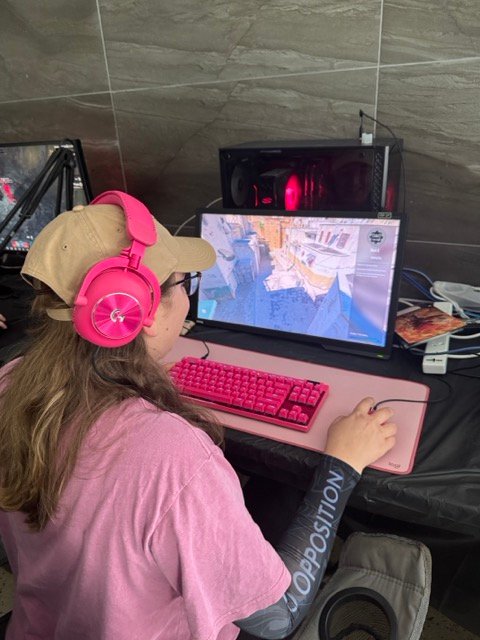
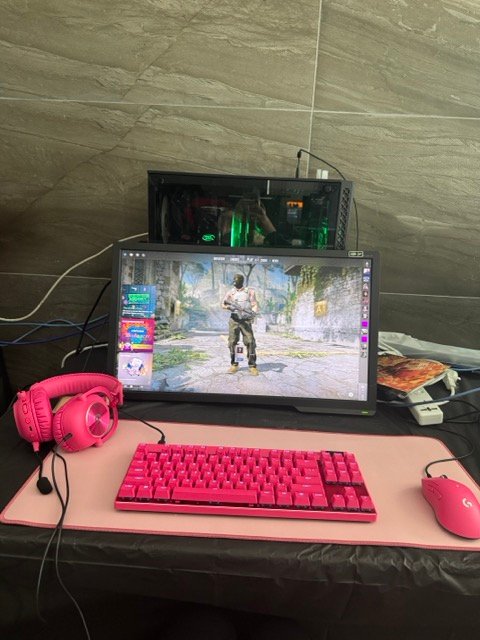
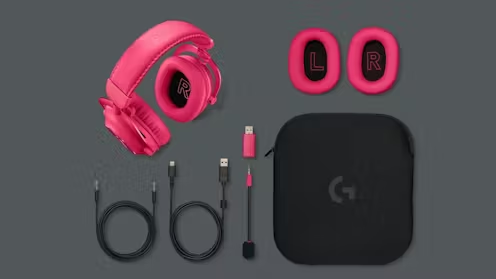
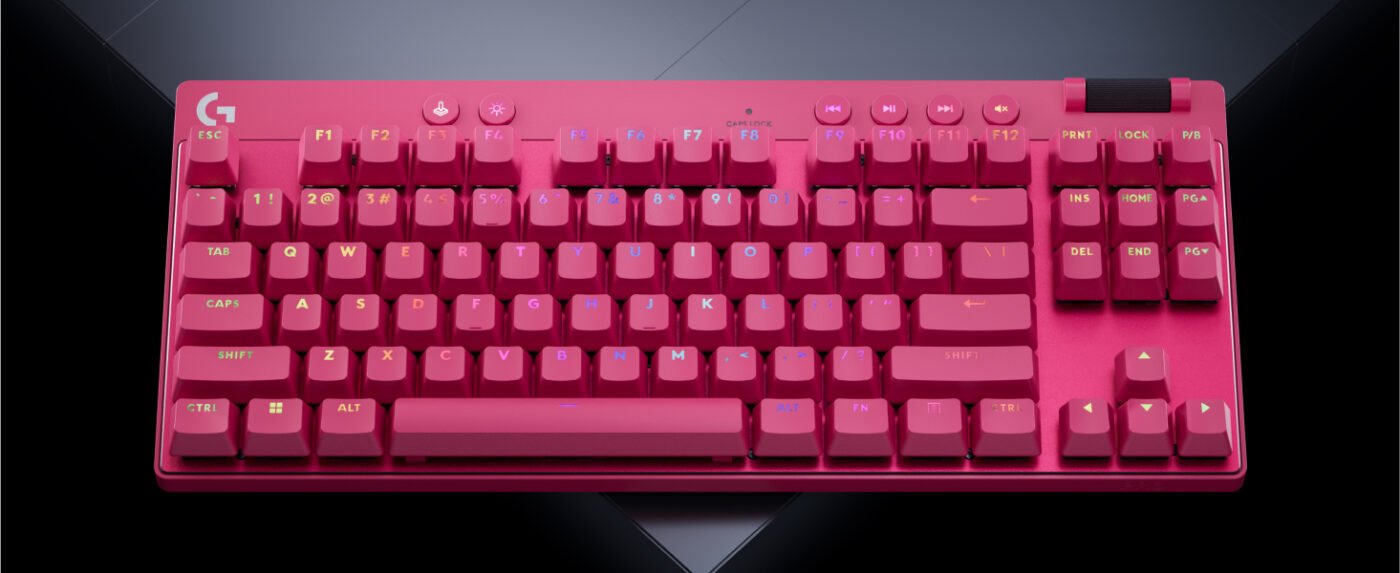
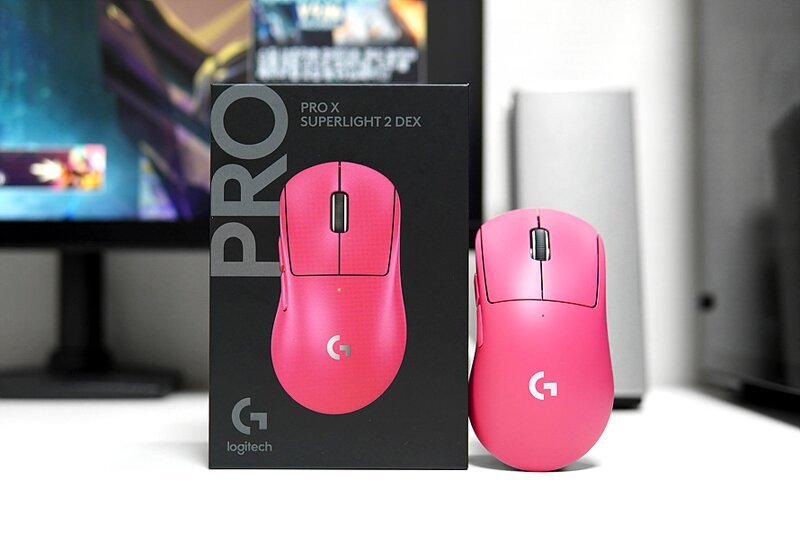
Logitech recently gifted me three products from their PRO series—now available in a stunning bright pink—and after spending an entire weekend gaming LAN with them, I have many thoughts. The lineup included the PRO X 2 LIGHTSPEED Wireless 7.1 Gaming Headset, the PRO X TKL RAPID Wired Gaming Keyboard with Analog Switches, and the PRO X SUPERLIGHT 2 DEX LIGHTSPEED Wireless Gaming Mouse.

Spoiler: I’m impressed. Like, really impressed.

RO X 2 LIGHTSPEED Wireless Gaming Headset

The PRO X 2 LIGHTSPEED brings wireless convenience to Logitech’s already excellent wired design, and it genuinely feels like an upgrade rather than a compromise.

Sound + Comfort

The star of the show is the graphene drivers which are cool from a tech perspective but even more impressive in actual use. The sound quality is crisp, punchy, and balanced. Even as other brands push new headsets every few months, this one still holds up beautifully.

What surprised me most were the improved hinges. Each ear cup now swivels individually thanks to the extra hinge above the cup, letting them lay flat on your desk, fold more comfortably around your neck, or adjust to fit your head shape better. It’s one of those quality of life touches you don’t realise you need until you have it.

Connectivity + Battery Life

You get three ways to connect:

  • wired 3.5mm
  • Bluetooth
  • 2.4GHz wireless via USB-A dongle

But the real showstopper? The 50 hour battery life. Logitech claims it and they weren’t kidding. I used the headset all weekend without charging once. It’s kind of wild.

PRO X TKL RAPID Wired Gaming Keyboard

This keyboard marks Logitech’s first step into Hall effect switches, and wow… this is where things get nerdy in the best way.

Analog Switches = Next Level Control

Hall effect switches use magnets to detect how far a key has traveled, which means you can adjust exactly how sensitive each key is.

You also get:

  • Rapid Trigger, for instant key reset (amazing for counter-strafing in FPS games)
  • Multi-Point Actuation, letting a single key perform different actions based on press depth
  • Per-key actuation adjustment

If you’ve ever used a flight stick or controller where your input scales with movement, that’s what this feels like but for your keyboard.

Feel + Build

The build quality is solid, the latency is excellent, and you can customize everything using either onboard hotkeys or the Logitech software.

Sound wise?
They’re not quiet, but the switches produce this buttery, thocky sound that every friend who tried it immediately reacted to with an “ooooh” or “ahhhh.” Honestly, same.

The Downsides

At the lowest actuation settings, there’s potential for key chatter, so you’ll want to find the sensitivity sweet spot.

But overall, this keyboard is a standout specially if you play FPS or rhythm games.

PRO X SUPERLIGHT 2 DEX Wireless Gaming Mouse

Let me start with: holy wow, this thing is light.

If you thought the original Superlight was featherweight, the Superlight 2 DEX somehow feels even lighter without feeling cheap.

Performance

  • Exceptional sensor accuracy
  • Insanely low click latency
  • Superb build quality
  • Comfortable right-handed ergonomic shape
  • Smooth matte finish (with optional grip stickers you can use or ignore…I ignored)

Every button feels tactile and responsive. The scroll wheel is nicely notched, the side buttons are easy to locate, and being wireless with no cable drag is a dream for FPS players.

My only gripe?
The mouse feet aren’t the smoothest compared to some competitors.

Battery Life + Charging

You get around 90 hours of use, then recharge via USB-C yay for finally ditching Micro USB. You can continue using it while plugged in since the port is on the front, turning it into a wired mouse when needed.

But here’s the pro move:
Pair it with Logitech’s PowerPlay Wireless Charging System, and you literally never have to charge it manually again.


Putting It All to the Test: The Weekend LAN

I brought all three products to a weekend gaming LAN where we played from early Saturday until Monday morning checkout. No exaggeration: the battery life on everything blew me away. Nothing died. Nothing even thought about dying.

And… we need to talk about the colour.


Let’s Talk Pink

I LOVE this pink.
It’s bright, it’s fun, and it feels premium, not childish.

So many “girlie” gaming products default to kawaii, cat ears, pastel hearts, and sparkly everything. Cute, yes, but some of us want beautiful colours without the cutesie accessories. This pink hits that sweet spot: stylish, bold, and grown-up.

Logitech absolutely nailed it.


Final Thoughts

After using them nonstop for a whole weekend, I can confidently say this trio lives up to the PRO branding. Whether you’re gaming casually, competitively, or just love high quality gear that looks incredible on your desk, these products deliver.

Honestly?
They’d make an amazing Christmas gift for someone else or for yourself.

Treat yourself this year. Logitech really did.

The post Logitech’s New Pink PRO Line: A Weekend LAN-Tested Review first appeared on Women Love Tech.

For Makers Who Know Their Way Around a 3D Printer

For Makers Who Know Their Way Around a 3D Printer

If you’ve ever dreamed of turning a sketch, a doodle, or a wild idea into something tangible, 3D printing can feel like magic – when it works. When it doesn’t, it’s a tangle of filaments, failed prints, and endless recalibration. Enter the Bambu Lab H2C, the new desktop at home 3D printer, and suddenly that dream feels a lot more doable – and fun.

The Bambu H2C isn’t just another piece of tech sitting on a shelf. This at home 3D printer is a machine designed for creators, makers, designers, and educators who want industrial-grade results without industrial-level headaches. Imagine the precision of a professional lab, the speed of cutting-edge tech, and the creative freedom of a workshop, all wrapped up in a compact, approachable desktop package.

At the heart of its magic is the Vortek Hotend Change System. This clever piece of engineering lets the H2C juggle six interchangeable hotends, print with up to 24 filaments, and even tackle seven colours or materials in a single job – without any purge cleaning. This means, less waste, less fuss, and more time to focus on making cool stuff. Cosplay props, personalised homewares, quirky gadgets – the sky’s the limit.

But what really sets the H2C apart is how intuitive it feels. Calibration is touchless, filament setup is automatic, and the printer remembers what each nozzle has been working on. It even suggests the best setup for your next print. Basically, it does the heavy lifting, leaving you free to get creative without worrying that your print will go rogue halfway through.

And this isn’t just about pretty multi-colour prints. The H2C packs serious power: an 8-second inductive heating system keeps downtime minimal, while a servo extruder delivers up to 10 kilograms of force for smooth, stable prints even at high speeds. Every move is precise, accurate down to micrometres, and the flame-retardant chamber adds a reassuring safety layer for high-temperature materials. It delivers industrial-grade reliability while masquerading as a desktop toy for grown-ups.

There’s a tactile joy in watching this printer work. The intelligent automation, real-time monitoring via a macro lens camera, and near-zero waste all make the printing process feel effortless. For anyone who’s spent hours scrapping prints or fretting over clogged nozzles, it’s a little moment of happiness every time the H2C hums to life.

At home 3D Printer Bambu Lab H2C 3D printer

Beyond the mechanics, the H2C is designed for the modern creative lifestyle. Its enclosed chamber, adaptive airflow, and integrated filtration mean prints stay stable and air stays cleaner, perfect for high-temp filaments and engineering-grade materials. You can go from concept to creation with confidence, whether you’re prototyping a product, crafting cosplay armour, experimenting in a classroom, or just indulging a hobby.

Starting at $3,699 AUD, the H2C might feel like a serious investment, but for those ready to elevate their creative game, it’s worth every cent. And for beginners or casual makers, Bambu Lab’s A/P Series offers a more entry-level gateway into the at home 3D printer world, making the brand’s creative universe accessible to all.

The H2C doesn’t just print objects – it opens doors. It turns your desk into a playground where imagination takes shape, where ideas leap off the page and into reality. It’s a reminder that technology doesn’t have to be intimidating – it can be empowering, playful, and endlessly inspiring.

So, if you’ve been craving a little hands-on magic in your creative life, the Bambu Lab H2C might just be the upgrade your workspace needed. It’s precise, powerful, and surprisingly playful – a desktop 3D printer that feels less like a tool and more like a partner in your next big idea.

The post For Makers Who Know Their Way Around a 3D Printer first appeared on Women Love Tech.

A Smart Phone For When Your Little One Has Outgrown Letters to Santa … But Isn’t Quite Ready for a Samsung

A Smart Phone For When Your Little One Has Outgrown Letters to Santa … But Isn’t Quite Ready for a Samsung

I knew I’d officially become that aunt — the cool-but-slightly-irresponsible one — when my nephew marched up to me in November, looked me dead in the eye, and said, “Aunty, I want a phone for Christmas.” Not a toy phone. Not a hand-me-down. A proper one. He said it with the confidence of a child who has never once paid a phone bill.

Now, he’s six. Still loses water bottles weekly. Believes Santa is real but also suspects Rudolph has a side hustle. The idea of handing this tiny hurricane a full-blown smartphone felt… unhinged. So began my hunt for something that wouldn’t send me straight onto the family group chat with a panicked apology.

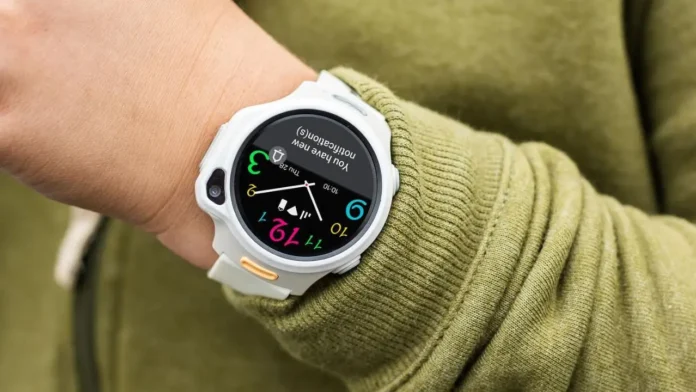
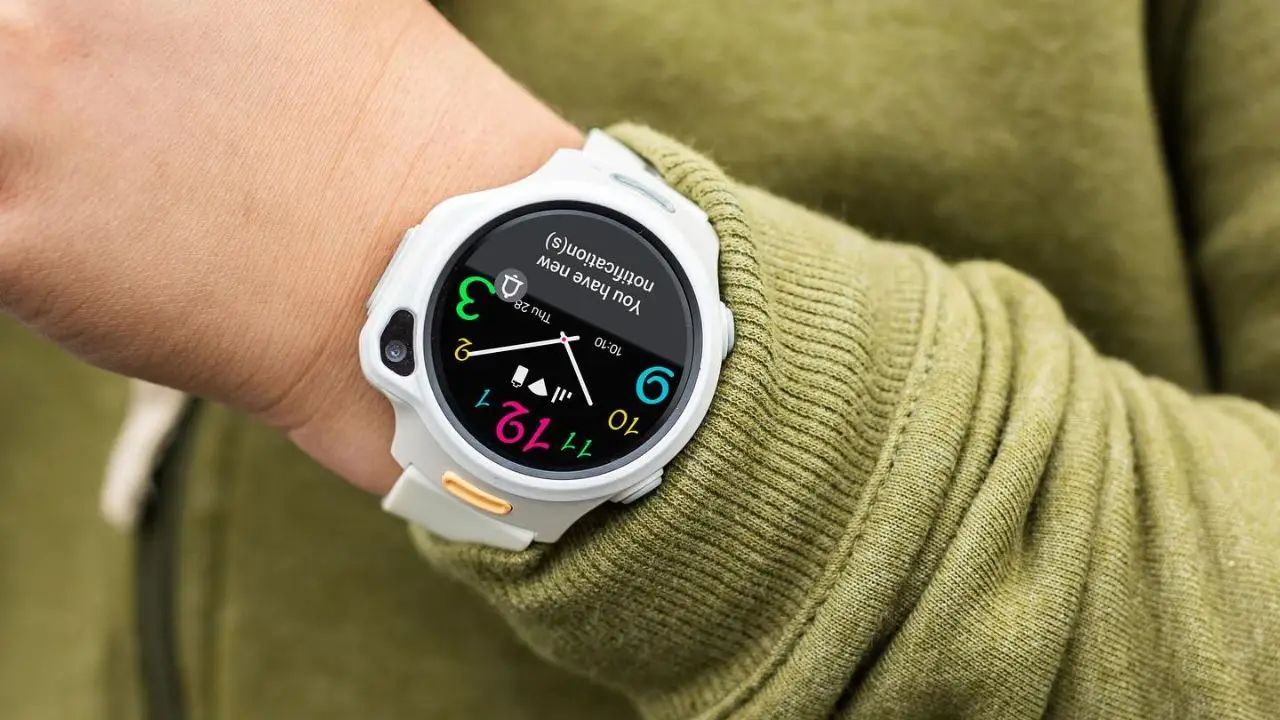
Enter: the myFirst Fone R2. A child friendly smart phone / watch hybrid that promised connection without chaos. And, just like an Xmas miracle, delivered.

For context, the myFirst range has become a quiet favourite among parents and aunties who’ve been burned by “kid tablets” that last six minutes and “family-friendly apps” that lead straight to ads for things children should never see. Their whole mission is to give kids real tech without the real-world dangers. Cameras, watchphones, headphones — basically, if a grown-up version exists, they’ve made a kid-safe one that won’t end in tears.

So I wrapped the myFirst Fone R2 for Christmas, crossed my fingers and prepared for his reaction. Reader, the child who clearly didn’t get the memo and snuck a sneak peek before Santa’s official arrival, screamed. In a good way. In a “I’ve just become a tiny influencer” way.

The watch does a lot — calls, video chats, voice notes, activity tracking, music, photos — but it does it all in a way that feels intuitive for kids who still sometimes forget to put their shoes on the right feet. The Knock-Knock feature is his current obsession. He spends half the afternoon pinging his cousins with “Knock-Knock” requests just to get a silly photo back. Pure chaos. Pure joy.

And I, the responsible adult in charge, still get to breathe because the safety features are actually solid. GPS tracking updates regularly. Safe zones can be set around school and home. Only parent-approved contacts can call or message, which means he can’t accidentally FaceTime my ex or try to book a table at Totti’s. There’s an SOS button, classroom mode, and absolutely zero third-party apps. It’s like tech with bumpers on.

The eSIM is another win. No tiny plastic cards to lose. No “I accidentally swallowed it” situation. Just instant connectivity and global coverage across more than eighty-five countries, which made it perfect for our Boxing Day trip to New Zealand. His parents got to watch him say “Kia ora!” on video chat from two suburbs away — extremely wholesome content.

The design itself is slim, sleek and surprisingly grown-up looking – which is crucial because in my experience, toddlers in this age bracket have the same aesthetic standards as the interior design team responsible for David Jones’; festive decor.

Kids can also customise the straps, faces and wallpapers which, for my nephew, is apparently more exciting than the features themselves. He currently has a rainbow strap and a watch face featuring his own selfie. Iconic behaviour.

As the aunt who bought it, the biggest win is that it nails the middle ground. Nephew gets the feeling of having a “real” device. His parents get control and visibility. And I get the smug satisfaction of gifting something that wasn’t ripped from its packaging, played with once, then ignored forever. This one actually sticks.

So, if you’ve got a little one in the family who’s writing the annual letter to Santa, but also googling “how do reindeer fly?” — this might be the gadget that keeps everyone festive, functional and fuss-free.

The post A Smart Phone For When Your Little One Has Outgrown Letters to Santa … But Isn’t Quite Ready for a Samsung first appeared on Women Love Tech.
What Do Gaming Influencers Mean for Tween Boys?

What Do Gaming Influencers Mean for Tween Boys?

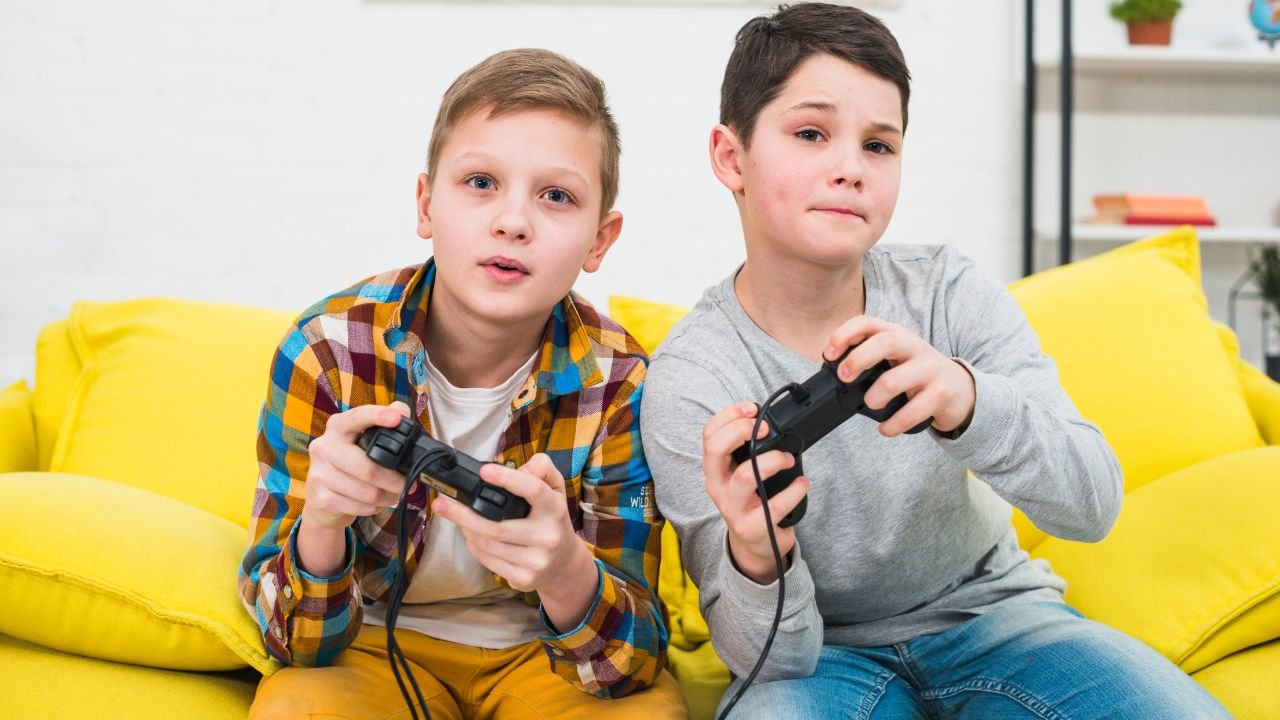
If you’ve ever peeked over the shoulder of a tween boy glued to a screen, chances are you’ve seen more than just Fortnite dances or Minecraft builds. You’ve seen a digital world shaped by gaming influencers. In Australia, most kids aged nine to 14 play video games, and many teens say gaming makes them happy or gives them relief during tough times. But while gaming brings joy, it also comes with a set of challenges parents and carers should know about.

RMIT University researchers are digging into just how influential these online personalities really are. Dr Lauren Gurrieri, Associate Professor in the School of Economics, Finance and Marketing, explains that influencers “have wide cultural authority, acting as ‘everyday celebrities’ whose behaviours and attitudes hold immense power in how they shape the worldviews of their audiences.”

She notes that followers can feel like they have a personal connection with these influencers. “This misplaced sense of ‘knowing’ the influencer gives the influencer even more power to influence.” That influence isn’t always harmless. Much of the content created by gaming influencers on platforms like YouTube, YouTube Kids, and Twitch is aimed at tween boys, and it can reinforce damaging gender norms. Algorithms often amplify this content, making exposure almost unavoidable.

The stakes are higher than they might seem. Dr Gurrieri highlights that “how gaming influencers communicate gender norms through this content is a potential cultural driver of sexism and violence against girls and women within and outside of gaming contexts.” In fact, e-Safety reports that a fifth of teen gamers have seen or heard other players share hate speech, and just over one in 10 have encountered misogynistic ideas.

It’s clear that gaming influencers don’t just shape playstyles and fashion choices in the gaming world – they shape attitudes. Dr Gurrieri’s research, funded by the eSafety Commissioner’s ‘Preventing Tech-Based Abuse of Women Grants Program,’ aims to better understand parents’ and tween boys’ experiences of online gaming and to promote positive and respectful behaviours. She notes that this work could help prevent Australia’s roughly 800,000 tween boys from adopting harmful gender norms that can lead to tech-based abuse of women.

Professor Lisa Given, Professor of Information Sciences and Director of the Centre for Human-AI Information Environments at RMIT University, echoes these concerns while pointing out a growing trend. “Although gaming platforms are not considered age-restricted platforms under Australia’s social media ban legislation, gaming environments can also present potentially harmful content.”

She gives the example of Roblox, a popular game-creation platform with 380 million global users, many of them children. In September, Roblox introduced new safety restrictions to tackle potential harms such as grooming. But because it is not classified as an age-restricted social media platform, it will remain accessible to kids even after the social media ban for under-16s takes effect in December 2025.

With young people losing access to traditional social media platforms, gaming platforms may become even more central to their online lives. Professor Given urges parents and carers to stay vigilant. “Parents and other carers need to be vigilant in knowing what content their children are exposed to, on what platforms, and provide guidance and support for how to navigate gaming and other online spaces safely.”

So what can parents do? Staying engaged with your child’s gaming habits is a good first step. Watch the games they play, explore the influencers they follow, and have open conversations about what they see and hear online. Setting boundaries for screen time, encouraging offline activities, and modelling respectful behaviour in your own digital life are also important.

Gaming will continue to be a source of fun, creativity, and social connection for kids. But like any powerful tool, it comes with responsibilities. By understanding the influence of gaming influencers, recognising the risks, and supporting positive behaviours, parents can help ensure their children enjoy gaming without adopting harmful attitudes or habits.

In the ever-expanding universe of digital play, awareness and conversation are the ultimate power-ups.

The post What Do Gaming Influencers Mean for Tween Boys? first appeared on Women Love Tech.
Can AI Actually Make Us Happier?

Can AI Actually Make Us Happier?

Artificial intelligence is usually framed as a productivity tool – the clever assistant that drafts your emails, organises your calendar, or blitzes through spreadsheets at lightning speed. But new Australian research from Jabra and The Happiness Research Institute suggests AI might be doing something even more human: boosting our happiness at work.

With surveys showing Australians increasingly stressed and unfulfilled in their jobs, these findings are a timely reminder that technology doesn’t have to be a threat – it can actually enhance wellbeing. The study, which surveyed over 300 Australian knowledge workers as part of a global initiative, found that frequent AI users are not only happier in their roles but also more optimistic about their careers and, crucially, more satisfied with life overall.

Job satisfaction has long been recognised as a major multiplier of life happiness. In Australia, workers with high job satisfaction are six times more likely to report high life satisfaction than their less fulfilled counterparts. AI seems to amplify this effect: daily users are 26% more likely to feel satisfied with their roles, 83% say they are achieving their goals, and 63% see real opportunities for advancement. Compare that with infrequent users, of whom just 64% feel they’re achieving their goals and only 39% believe they have advancement prospects.

The impact of AI and happiness goes beyond the daily grind. Frequent users are far more optimistic about their future work lives – 69% expect ongoing job satisfaction, 73% believe they will continue to enjoy their work, and 69% feel their roles will remain meaningful. “It’s easy to talk about AI in terms of productivity. But we need to start talking about it in terms of psychology – how it affects identity, motivation, and what people believe their future looks like. The future of work isn’t just technological – it’s emotional,” says Meik Wiking, CEO of The Happiness Research Institute.

Despite these benefits, only about a third of Australian workers use AI daily or hourly, and many feel unprepared for the AI transition. Nearly half say upskilling is necessary to make the most of AI, and over half believe technical training is essential. The message for organisations is clear: AI’s happiness potential won’t realise itself. Companies must equip employees with the tools, training, and confidence to use AI meaningfully.

There’s a subtle but powerful shift happening. AI is often framed as something to fear – a force that will disrupt jobs, upend routines, and challenge our sense of purpose. This research flips that narrative. Integrated thoughtfully, AI becomes more than a productivity tool – it’s a collaborator, a confidence booster, and a catalyst for optimism. It helps us work smarter – and – feel better while doing it.

For Australian workers juggling stress, uncertainty, or just the daily grind, this is a hopeful glimpse of what’s possible. By embracing AI not as a replacement but as an enhancement – one that helps achieve goals, carve meaningful pathways, and nurture satisfaction – employees and organisations both stand to gain. Productivity is only one measure of success. The deeper, more human metric is happiness.

So the next time your AI assistant offers a clever shortcut or takes a tedious task off your plate, don’t just appreciate the efficiency – consider the bigger picture. That small nudge from technology might just be nudging your life satisfaction upwards too.

The post Can AI Actually Make Us Happier? first appeared on Women Love Tech.