Anuncio
Me encanta Orlando
Inicio Blog Página 15

This Smartphone for Kids Uses AI Tech to Block Nudity

This Smartphone for Kids Uses AI Tech to Block Nudity

For years, handing over a first phone has been a fraught milestone for parents. On one hand, it’s a lifeline – offering reassurance that children can be reached anytime, anywhere. On the other, it can feel like handing them the keys to a world of risks that most parents know they can’t fully monitor. This tension drives many conversations as we wrap up National Child Protection Week. And sits at the heart of Human Mobile Device’s latest launch: the HMD Fuse, the world’s first smartphone for kids embedded with AI technology that blocks nude content across its camera, apps, and messaging services.

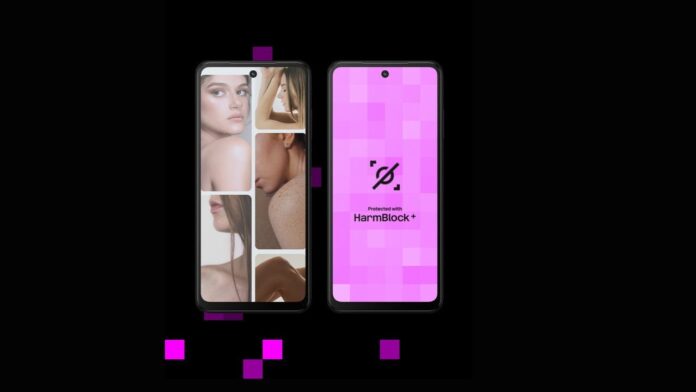
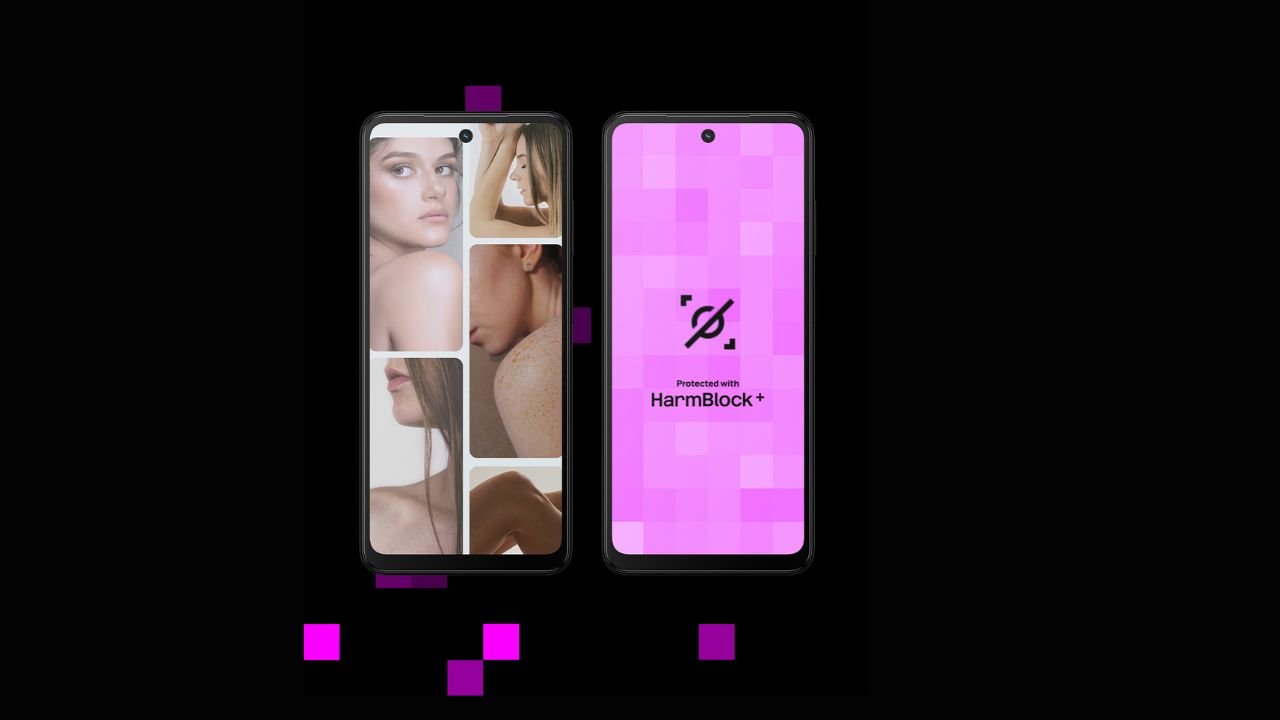
Billed as “pornography incompatible,” the Fuse is powered by HarmBlock+, a new AI system built directly into the operating system rather than relying on external apps. Unlike the patchwork solutions many parents currently cobble together—often easily bypassed by tech-savvy teens – this system is tamper-proof. It prevents sexual images from being captured, seen, or stored, working locally on the device and requiring no data to be sent to the cloud. For parents who lie awake worrying about online predators, coercion in chat apps, or the ease with which children can stumble upon explicit material, this feels like a watershed moment.

The arrival of such technology could not be timelier. Research shows that nearly half of Australian children have been contacted online by a stranger, while a third have already been shown or sent sexual content. The statistics are chilling: one in five have had a stranger attempt to move them into encrypted chats. And yet, the age of smartphone adoption continues to fall. On average, Australian children receive their first phone at just 11 years old. Unsurprisingly, almost half of parents regret handing one over so early, with many citing behavioural changes and mental health concerns.

Against this backdrop, the Fuse presents itself not as just another phone, but as a kind of digital safety net. It has been co-designed with input from 37,000 parents and children through HMD’s “Better Phone Project,” reflecting families’ growing demand for a device that balances functionality with protection. Features are locked by default and can be gradually enabled as a child matures. Parents have granular control over apps, browsing, contacts, and even camera use. Real-time location tracking, safe zones, contact whitelisting, and app time limits round out the suite of parental tools.
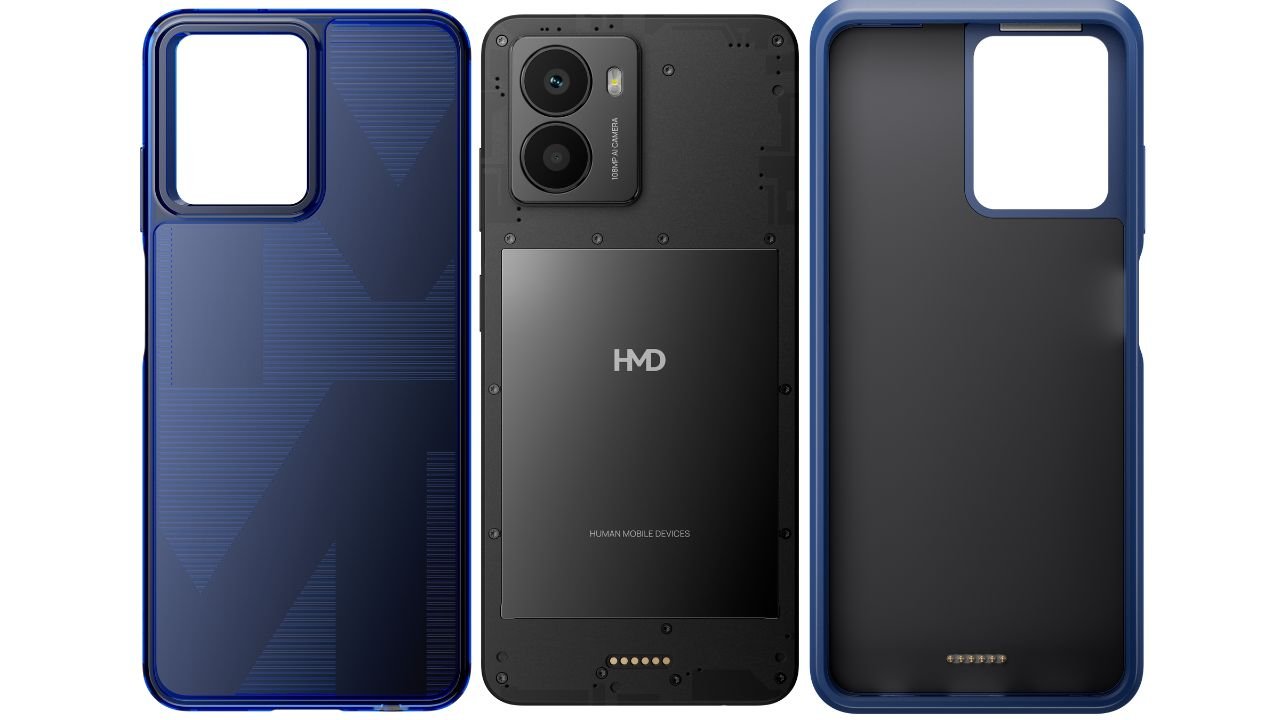
HMD Fuse smartphone for kids

The “growth journey” element is particularly interesting. Rather than dropping a child straight into the deep end with a fully-fledged smartphone, the Fuse can begin life as a glorified brick phone—calls, texts, and location tracking only. Over time, parents can unlock music streaming, social media, and controlled browsing. It’s an acknowledgement that not every 11-year-old is ready for Instagram, but they might still need to text home after school.

Still, there are questions worth asking. At $799 upfront plus an ongoing subscription after the first year, this is far from an inexpensive solution. That price point raises concerns about accessibility: will only wealthier families be able to offer this level of digital protection? And does putting the burden on parents to purchase specialist hardware let big tech platforms off the hook when it comes to child safety? Critics may argue that responsibility should sit with social media companies and regulators, rather than families buying their way into safer digital experiences.

There’s also the cultural question: will children resist a phone designed explicitly around safety, perceiving it as a mark of difference from their peers’ devices? In an age where social status among young people can hinge on owning the “right” phone, the Fuse may face challenges in gaining traction unless it can become as aspirational as it is protective.

Yet despite these caveats, it’s hard not to recognise the significance of what HMD is attempting. This isn’t just another iteration of parental controls—it’s a fundamental rethink of how children should enter the digital world. In the words of James Robinson, Vice President of HMD Family, the Fuse is “a new category, one that recognises children’s evolving needs, and puts safety at the heart of the experience from day one.”

Whether the Fuse becomes a mainstream success remains to be seen. But its launch marks a decisive moment in digital parenting: a recognition that the risks of childhood online are no longer abstract, and that technology itself must evolve to meet them. For many parents, that peace of mind may be worth the price tag.
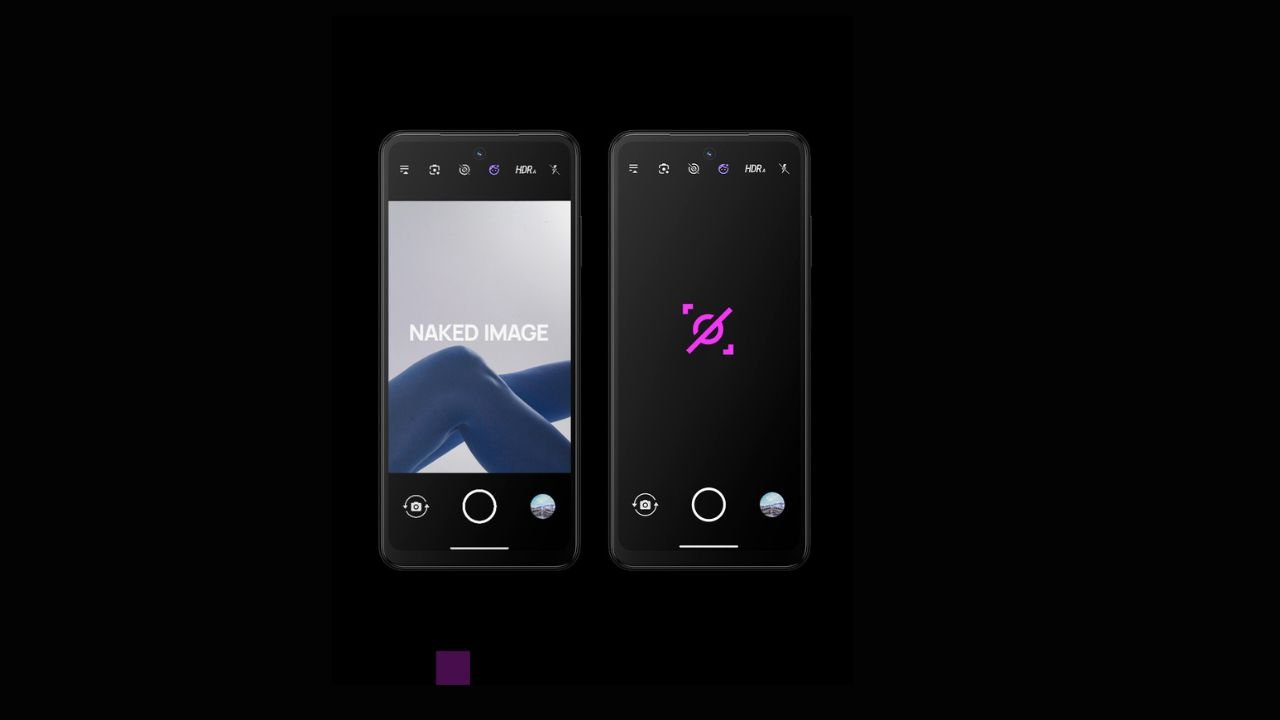
HMD Fuse smartphone for kids

The post This Smartphone for Kids Uses AI Tech to Block Nudity first appeared on Women Love Tech.


World First Research: Will Coral Reef Collapse Make Fish Less Intelligent?

World First Research: Will Coral Reef Collapse Make Fish Less Intelligent?

As the sun rises over the Southern Great Barrier Reef, casting a golden glow across the lagoon at One Tree Island. Annabell Klinke, a PhD student at Macquarie University, is already in the water, notebook in hand, observing the small, black-and-white-striped humbug damselfish that dart among the branching corals. For Annabell, this isn’t just another day at the office – it’s a research expedition in one of the most iconic ecosystems on the planet, and one that is rapidly changing in ways few of us can see from the shore.

Annabell’s research is uncovering a startling link between coral reef degradation and fish intelligence. “Research shows that animals living in more complex environments, both on land and in the water, often develop better problem-solving and learning skills,” she explains. “Since coral reefs are among the most complex ecosystems on Earth, it makes sense to think that reef degradation could affect the intelligence and adaptability of reef fish, which might then impact their chances of survival.”

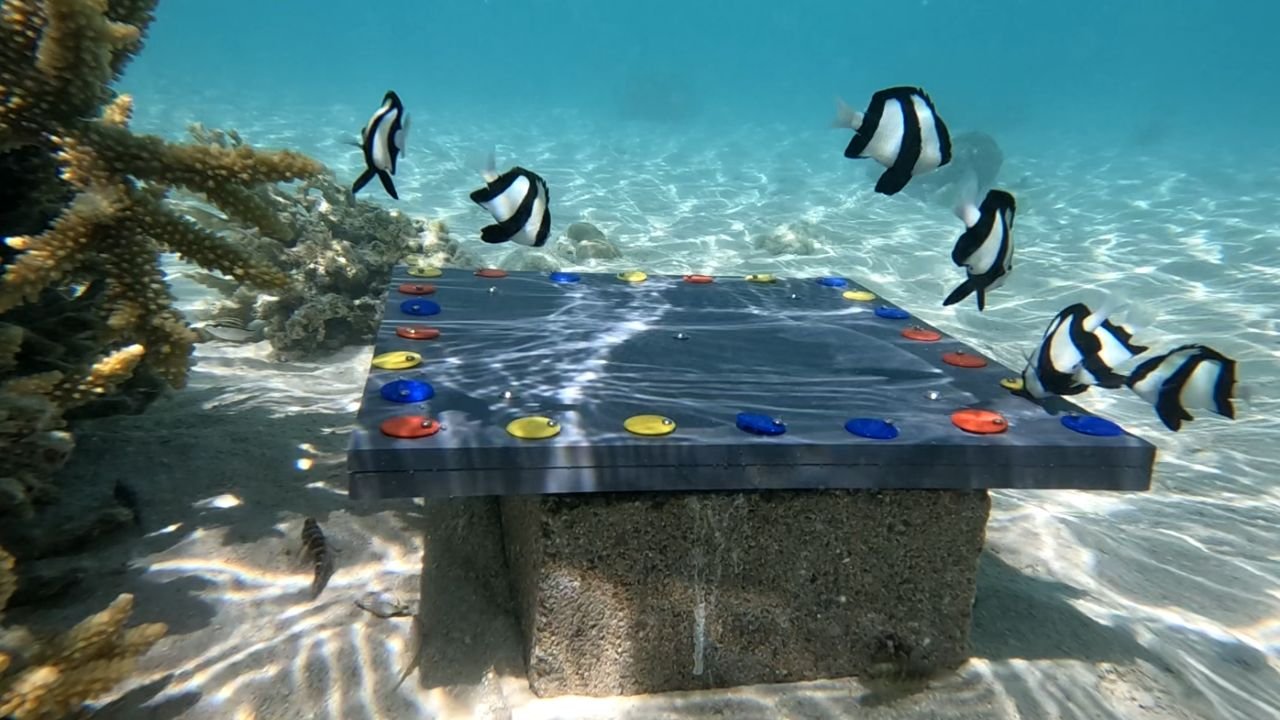
Her focus is on humbug damselfish, a small species that thrives among branching corals and forms social hierarchies. To test their adaptability, Annabell uses a reversal learning task. Fish first learn to associate a colour with a food reward, and then the rules are switched, with the “wrong” colour becoming the correct choice. “We also measured personality traits such as boldness, exploration, anxiety, aggression, sociability, and curiosity, since personality can play a big role in how animals approach problems,” she says.

Findings from previous lab experiments are fascinating. Fish raised in simpler habitats were bolder and less anxious, starting tasks quickly, yet the more anxious fish actually performed better overall, needing fewer trials to figure out the new rule. “As coral reefs lose their complexity, fish personalities may shift in ways that affect how well they can cope with change. This could make them less flexible when faced with new challenges,” Annabell warns. She is now running similar experiments in the wild to see if these patterns hold true in nature, bringing her work out of the lab and into the very ecosystem under threat.

Black-and-white-striped humbug damselfish

The urgency of her work is clear. In March 2024, the Great Barrier Reef experienced its fifth mass bleaching event in just eight years. Annabell explains that the biggest threat to coral reefs today is climate change. “Greenhouse gas emissions are heating up the oceans and making them more acidic. Warmer waters disrupt the partnership between corals and the tiny algae that live inside them, called zooxanthellae. These algae give corals both their beautiful colours and most of their food. When the partnership breaks down, corals expel the algae, turn white – a process called coral bleaching – and begin to starve. If heat waves last too long, corals can’t recover, and many die.”

Ocean acidification further weakens coral skeletons, making them brittle and easier to break during storms. On top of that, these tropical storms have increased in frequency and intensity due to climate change in the last decades. Pollution, sediment runoff, nutrient overload from farming, and destructive fishing practices add even more pressure, creating a perfect storm of threats.

But the stakes go far beyond the fish themselves. Coral reefs support millions of people worldwide, particularly in coastal communities and Small Island Developing States. “For many tropical coastal communities, reefs are an essential source of nutritious and affordable seafood. Fishing on reefs is not only about food or income – it also brings enjoyment, identity, pride, and a way of life,” Annabell says. Reefs also act as natural buffers, absorbing up to 97% of wave energy during storms and protecting nearly 200 million people from damage. They fuel a global tourism industry worth almost $36 billion annually and hold enormous potential for biotechnology, often called the “medicine chests of the sea.”

Despite the challenges, Annabell remains hopeful. “Nature has an incredible ability to adapt and surprise us, and I believe reefs still have a future, even if they look different from the past,” she says. Protecting reefs isn’t only about global initiatives – it starts with everyday actions. “Protecting reefs doesn’t just happen on a global scale, it also starts with the small choices we make every day. By thinking about our carbon footprint and making small, positive changes in our lives, we can help give reefs the time and space they need to recover.”

As the day winds down, Annabell records her observations on the reef, eyes scanning the water for any sign of change, while tiny damselfish weave through the corals. Her work highlights not only the fragility of these ecosystems but also the vital role of women in STEM leading the research that could help save them. “If we choose to act with care and hope, I believe the reefs of tomorrow can still be vibrant, beautiful, and full of life, just in a new way,” she concludes.

For Annabell, the lesson is clear: understanding how climate change is reshaping the intelligence and adaptability of reef life is just the beginning. With courage, curiosity, and dedication, humans can still make a difference – and sometimes, saving the smartest fish in the sea starts with the smartest humans on land.

Main feature image: Helen von Drenkmann

The post World First Research: Will Coral Reef Collapse Make Fish Less Intelligent? first appeared on Women Love Tech.

How to Protect Your Wellbeing While Using AI at Work

How to Protect Your Wellbeing While Using AI at Work

Artificial Intelligence is now part of daily life for almost half of Australian workers. But, new research from The Change Lab’s 2025 Workplace Report shows it may be taking a toll on our mental health. 

In this contribution, Dr Michelle McQuaid, workplace wellbeing expert and senior fellow at the University of Melbourne, shares five practical, evidence-based strategies for staying healthy and connected while using AI at work.  From taking regular wellbeing checkpoints to building AI peer support networks, practising self-compassion, and creating small rituals to maintain human connection and civility, the article will show readers how to embrace AI’s benefits without sacrificing their wellbeing.

AI tools are rapidly becoming part of our everyday working lives. For many women in tech, these tools promise efficiency and productivity gains. But, as with anything that sounds too good to be true, there’s a catch. They can also bring hidden costs. The Change Lab’s 2025 Workplace Report found that while nearly 40% of Australian workers now use AI in their roles, frequent users report a 37% drop in wellbeing, along with significant declines in civility (22%) and self-compassion (28%).

In other words, while AI might make us faster, it may also make us harsher. Both with ourselves and with others. If you’ve found yourself snapping at colleagues after hours of AI prompts or pushing yourself to match an algorithm’s pace, you’re not alone.

But the answer isn’t to ditch your AI tools, it’s to use AI intentionally so that we can protect our mental health, and safeguard the humanity that helps us thrive at work.

Here are five evidence-based strategies to help you embrace AI without sacrificing your wellbeing.

Dr Michelle McQuaid Ai at work wellbeing
Dr Michelle McQuaid shares five evidence-based strategies to help you embrace AI without sacrificing your wellbeing.

1. Practice self-compassion during the learning curve.

Research shows AI users become 20% more self-critical as they navigate new demands.

When you’re struggling with AI tools, treat yourself with the same kindness you’d show a friend. Remind yourself: “Learning new technology is challenging for everyone. It’s okay to feel frustrated while I’m figuring this out.”

The data reveals a U-shaped performance pattern, so initial dips are normal before proficiency develops.

2. Preserve human courtesy in your communications.

Workers using AI frequently show 19% lower civility scores, possibly because AI interactions don’t require courtesy. Sure, some people are using ‘please’ and ‘thank you’ in their prompts, but just as many are barking demands at their AI tools.

Counteract this by intentionally maintaining warmth in your human interactions.

Start emails with genuine greetings, use basic manners such as “please” and “thank you,” and make eye contact during conversations. Your brain learns from every interaction, so don’t let efficiency with machines erode your humanity with people.

3. Schedule regular wellbeing check-ins.

While performance metrics rebound with AI proficiency, wellbeing continues to decline if left unchecked.

Create monthly wellbeing assessments alongside your productivity reviews. Ask yourself: “How am I feeling about work beyond just getting tasks done? What support do I need?” If your workplace doesn’t track this, advocate for wellbeing metrics to be included in AI rollout evaluations.

4. Connect with AI peer support networks.

The research shows those who’ve navigated the AI “struggle phase” can help newcomers. So if you’re still learning, seek out colleagues at different stages of AI adoption.

Those ahead of you can normalise the experience and share practical tips, while helping others behind you reinforces your own learning and builds confidence. This mutual support counters the isolation that technology can create.

5. Set boundaries around AI efficiency pressure.

Just because AI can work 24/7 doesn’t mean you should.

The 37% wellbeing decline often stems from internalised pressure to match AI’s pace.

Establish clear boundaries: AI tools end when your workday ends, quality matters more than speed and taking breaks to think creatively is valuable work. Remember, you bring human judgment, empathy, and strategic thinking that AI simply can’t replicate.

AI can be a powerful ally in your workday, but protecting your wellbeing takes intentional effort.

By building in self-compassion, preserving civility and setting healthy boundaries, you can harness AI’s benefits without losing sight of what really sustains performance: your health, your humanity and your relationships with others.

Interested in learning more? Download The Change Lab’s 2025 Workplace Report.

The post How to Protect Your Wellbeing While Using AI at Work first appeared on Women Love Tech.

Parents, Could a 24 Hour Digital Detox Solve Tech Tantrums?

Parents, Could a 24 Hour Digital Detox Solve Tech Tantrums?

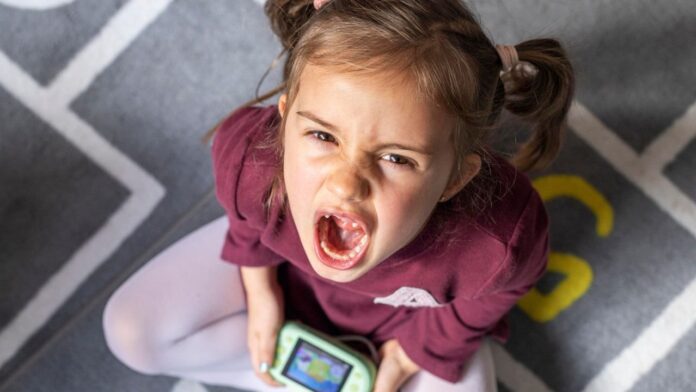
If it feels like screens are running the show in your house, you’re not alone. New research from the screen-free audio platform Yoto has revealed a startling truth. Aussie parents are spending four hours a day on screens. That adds up to more than 14 years over a lifetime, outside of work. And kids are not far behind. In fact, they are clocking 2.6 hours daily – almost two full years of screen time by the time they turn 18.

It turns out, the way parents use screens has a huge influence on their children. The majority of parents (78%) admit their own habits shape their kids’ digital behaviours. Yet, almost two-thirds (63%) feel guilty about the impact on family time. Nearly nine in ten (87%) confess to scrolling or checking messages during playtime or family moments. Screens have become the quiet saviour for busy parents, a calming tool for a tech tantrum and an all-too-easy solution when time is tight.

Gen Z parents are leading the charge with “tantrum tech,” with almost half admitting to handing over a device to settle a meltdown. Millennials follow at 29%, while Gen X parents trail behind at 6%. Whether it’s keeping kids occupied during transit, appointments, or quiet time at home, screens have firmly cemented themselves into daily life.

But, here’s the good news. Yoto is calling on Aussie families to take back their time and imagination with the first-ever National Switch Off. On Friday, 12 September 2025, households across the country are invited to ditch screens for 24 hours. The idea is simple: 24 hours off screens, 24 hours on creativity, storytelling, and quality connection. And to show their commitment to the cause, Yoto will go dark on AU socials (website will remain live).

Parenting expert and child psychologist Deirdre Brandner points out that screen-first parenting can hinder children’s social coping skills. “Parents know that their screen time is impacting family life, but many feel powerless to change,” she says. “There are practical ways to create new routines and alternatives to screen entertainment that encourage connection, creativity, and imagination.”

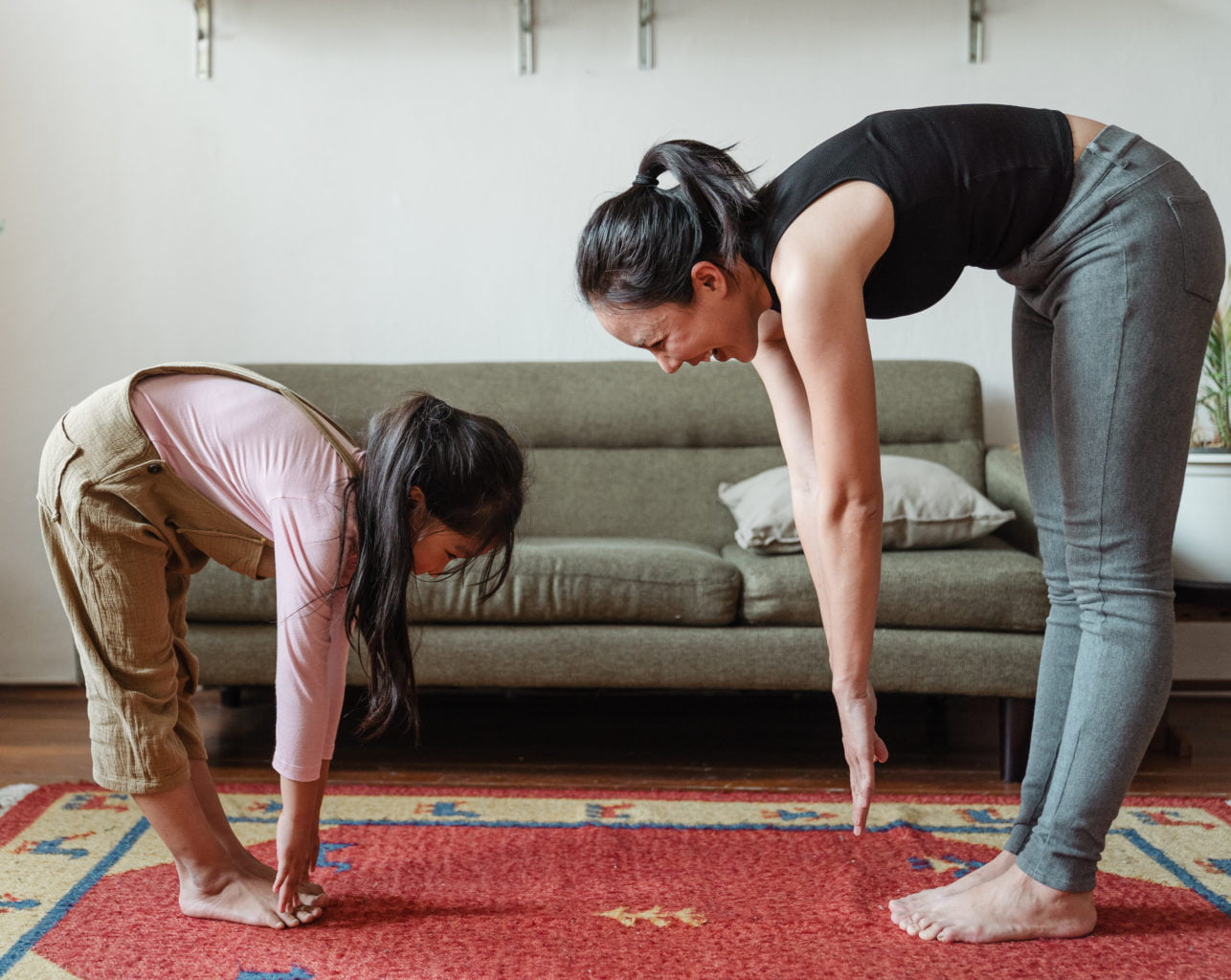
The beauty of a screen-free day is that it doesn’t have to be stressful or complicated. Brandner recommends small but meaningful shifts. For example, try “parallel play” where children play independently while parents finish necessary tasks nearby. Create phone-free zones, even if it’s just 20 minutes a day, or reframe quiet time as an opportunity for puzzles, drawing, or listening to music together. During transit or appointments, simple games like “I spy,” storytelling, or shared music playlists can turn ordinary moments into unexpected opportunities for connection.

Preparation is key. Bring books, drawing pads, or small toys when heading out. Narrate expectations and choices to your children. Try something like, “I’m putting my phone away so we can listen properly.” Focus on presence rather than performance. And, remember that your attention matters more than any activity or outcome.

Audio can play a surprisingly powerful role in this screen-free approach. Yoto’s platform, designed for kids to play independently, features award-winning stories and music that spark imagination without relying on screens. From licensed content with Disney, Roald Dahl Story Company, and Universal Music, to original productions, Yoto encourages creative, calm, and connected play.

Switching off for a day might feel daunting, but the benefits for families are huge. Kids learn to manage their emotions, parents can reconnect, and everyone gets a reminder that family time can thrive without a screen in sight.

So, mark your calendar for 12 September. Join the Yoto Big Switch Off and give your family a chance to reset. Whether it’s sharing stories, singing along to music, or discovering the joy of independent play, one day without screens could make a world of difference. After all, sometimes the best connection is the one that doesn’t come with a notification.

The post Parents, Could a 24 Hour Digital Detox Solve Tech Tantrums? first appeared on Women Love Tech.

Cómo empecé mi tienda online de gadgets antes de los 18 años con solo un computador y muchas ganas

fotos libres de uso

Mi nombre es Darwin, soy menor de edad y hace poco decidí emprender con una tienda online de gadgets en Colombia. No tengo un celular actualmente, así que he hecho…

La entrada Cómo empecé mi tienda online de gadgets antes de los 18 años con solo un computador y muchas ganas se publicó primero en Emprendices.

When Gen Z Meets Gen X Online: What Aussie Families Really Think About Social Media Safety

When Gen Z Meets Gen X Online: What Aussie Families Really Think About Social Media Safety

If you’ve ever had your teenage daughter try to to explain TikTok trends to your mum. Or attempted to explain to your elderly Father why there is so much more than Facebook, then you’ll know that social media isn’t just an app – it’s an intergenerational minefield. A new report from Western Sydney University’s Young and Resilient Research Centre, in collaboration with Meta, has just dropped, and it’s putting families’ voices about “Intergenerational perspectives on social media safety” front and centre in the great debate about teens, screens and safer scrolling.

Titled Intergenerational perspectives on social media safety, the report digs into the lived experiences of parents and young people aged 13 to 16. It’s timely, too: from December this year, new laws will kick in restricting under-16s from creating social media accounts. That’s a big deal when you consider that 98% of Aussie 15-year-olds are already online daily. But what do the people most affected – young people and their parents – actually think?

Turns out, the story is much more complicated than “ban it” versus “let them scroll”.

Parents: Worried, weary but wanting help

Parents interviewed for the report described a digital landscape that feels both essential and exhausting. They see the positives – connection, learning opportunities, even job leads – but they can’t ignore the darker side. One father from New South Wales admitted, “We know a lot of parents who have gone through social media bullying. There’s a lot of documented cases of children self-harming… because of social media bullying. That’s one of our biggest risks and our fears.”

Others flagged harmful content, from “misogynistic, violent, dangerous, unsafe, unhealthy messaging” to the subtle pressures of filtered perfection on Instagram. As one Queensland dad put it, “Self-image is a big thing… it makes it harder for them to not judge themselves.”

And then there’s what many parents call “addiction”. The endless scroll of short videos has some mums and dads wondering if social media is rewiring attention spans altogether.

But rather than simply locking phones away, a lot of parents are leaning into dialogue, not discipline. One Victorian father explained, “We’re very open and very transparent with things. So our kids know if something’s wrong they’re not necessarily in trouble straight away. As a family unit, we’ll work together.”

That doesn’t mean rules go out the window. Some families use parental control apps, enforce “no devices in bedrooms”, or set screen time cut-offs. Still, many parents admit kids are resourceful enough to get around restrictions. Which is why, for most, the real goal isn’t control, but resilience.

Teens: Savvy, social and sick of not being heard

If parents worry about safety, young people are equally clear on what’s at stake: connection, identity, and belonging. For them, social media isn’t separate from “real life” – it is life. As one 15-year-old girl put it, “I use it [social media] to escape [and] be in my own time.” Another explained, “[Social media] helps me stay connected to my cousin who lives with their dad.”

They’re not blind to risks either. Kids in the workshop flagged cyberbullying, scams, self-image pressures and misinformation as real issues. But here’s the kicker: when restrictions get slapped on without their input, they’ll simply adapt. Think burner phones, dummy accounts or migrating to gaming platforms. One 14-year-old boy summed it up bluntly: “Kids will just go on a different platform that’s not called social media, it’ll be gaming or something, but we’ll do the same things.”

And as for the government ban? Most young people in the study were unimpressed. Many described the policy as punitive and disconnected from reality. “Ask young people what they think. We are the most affected,” said a 15-year-old participant. Others worried the ban would cut them off from vital support networks, including mental health resources. A non-binary teen framed it in terms of rights: “Not being able to talk to support groups or find mental health resources makes things worse.”

Still, interestingly, some teens said they’d prefer parents to have the final say rather than Canberra. “They’re taking too much control from parents. Parents should get the final say,” said one 13-year-old boy.

More talk. Less top down rules

One of the biggest takeaways from the research is that trust and open dialogue matter more than blanket restrictions. Families stressed that communication is key – whether that’s parents taking the time to understand the platforms, or kids feeling safe enough to admit when something online gets messy. “We need transparency and trust in each other,” said a 14-year-old boy. “The kid being able to trust the adult in their life to have a conversation without feeling like they’re not being listened to.”

That point hits home when you consider that, for some households, legislation is less effective than lived family values. Parents from migrant and culturally diverse families, as well as those with neurodivergent kids, described how digital parenting is rarely one-size-fits-all. A Western Australian father admitted, “You’ve got to inform yourself… it might be uncomfortable… but ultimately, if you want the best for your kid, you want to understand it more.”

#What’sNext

The report calls on governments, tech companies and schools to share responsibility with families – not just dump it on them. That means clear, consistent communication about new rules, practical tools for parents, and genuine consultation with young people. Because, as the research makes clear, young people don’t want to be left to their own devices. They just want to be part of the conversation.

Or, to put it in teen terms: don’t ghost them.

As the Young and Resilient Research Centre’s findings show, building safer online futures isn’t about shutting down apps – it’s about opening up dialogue. Families already know the stakes. What they need is support to navigate this digital world together.

And maybe, just maybe, the next time a TikTok dance goes viral, you’ll see parents joining in, not just worrying about it.

The post When Gen Z Meets Gen X Online: What Aussie Families Really Think About Social Media Safety first appeared on Women Love Tech.
World Sleep Congress 2025: Study Unlocks The Secrets Of Women’s Sleep

World Sleep Congress 2025: Study Unlocks The Secrets Of  Women’s Sleep

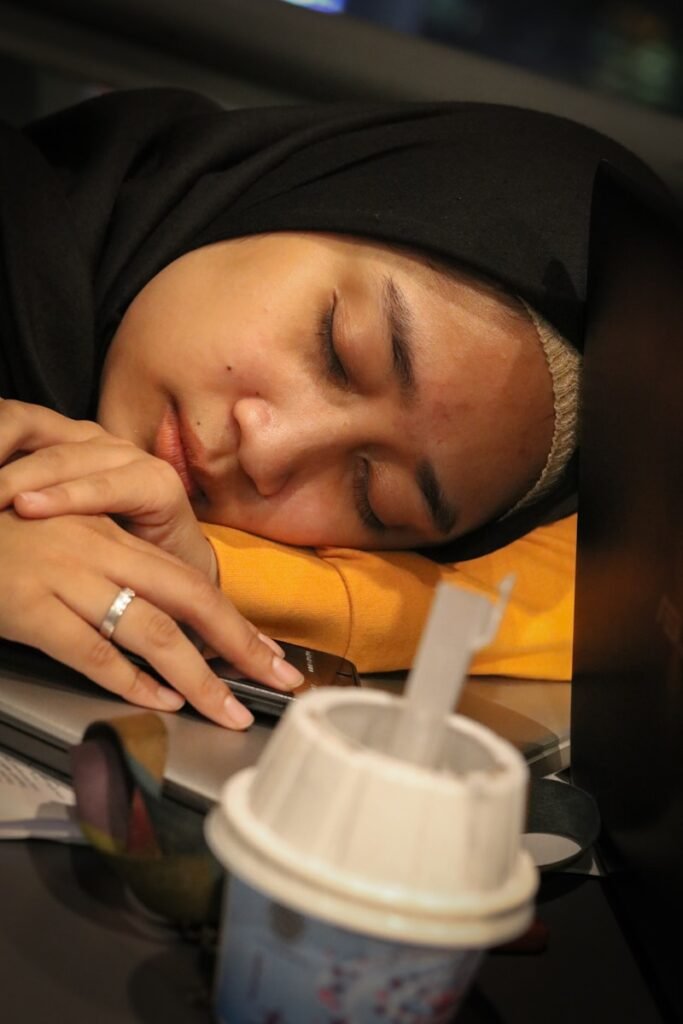
At the World Sleep Congress 2025 in Singapore, new research has shed light on how women’s sleep changes with age, lifestyle, and culture.

Using data from thousands of women wearing Samsung smartwatches across multiple countries, the study offers a fresh perspective on the key factors shaping women’s sleep patterns worldwide.

exercise
Ketut Subiyanto at Pexels

Key Findings: Age, Activity, and the Weekend Effect

Sleep data, taken from 192,500 women aged 20 to 65, each with at least seven nights of recordings, spans the US, South Korea, Germany, France, and the UK.

It reveals that sleep duration steadily decreases as women age. For example, women aged 60–65 clocked in around 17 minutes less sleep than those aged 20–24, an age-related trend observed in nearly every country studied. Yet, despite the gradual loss of nightly minutes, women worldwide seem to have a universal solution: the weekend.

Data shows that on Friday and Saturday nights, women enjoy longer sleep periods of about 24 minutes more per night compared to weeknights, suggesting a global pattern of catching up on rest during the weekend.

Interestingly, the impact of physical activity on sleep is surprisingly slight. Whether highly active or less so, women’s total sleep times differs by less than three minutes, and time spent awake after falling asleep varies by less than a minute. This challenges the common assumption that exercise alone is a major driver of better sleep.

World Sleep Congress 2025

Culture Makes the Difference: Country Trumps Habits in Women’s Sleep

While personal habits like age and activity played a minor role, the study highlights that a woman’s country, her cultural and lifestyle context, has measurable effects on how women sleeps. Nowhere is this more evident than in South Korea, where both sleep duration and age-related increases in wakefulness after sleep are more pronounced than in other countries.

These findings suggest that broader societal and cultural differences can shape sleep more powerfully than individual routines.

The Power of Wearable Tech in Sleep Science

By leveraging wearable technology, researchers are able to capture real-world sleep patterns over seven nights, offering new insights into global trends. And Samsung Executives encouraged scientists to tap into their treasure trove of sleep data from their wearables to provide more valuable health insights globally. In the case of this study, by advancing sleep research the door opens for tailored interventions to help women everywhere sleep better.

World Sleep Congress 2025 Insights At A Glance

New research presented at the World Sleep Conference revealed surprising trends about how women sleep across the globe:

  • Age matters: Women sleep less as they get older. Those aged 60–65 averaged 17 minutes less per night than women in their early 20s.
  • The weekend effect: Across all countries, women caught up on rest with an extra 24 minutes of sleep on Friday and Saturday nights.
  • Activity isn’t everything: Surprisingly, high versus low physical activity levels only changed women’s sleep by three minutes or less.
  • Culture counts most: Where women live has the biggest impact. In South Korea, for instance, shorter sleep and more frequent wake-ups were more pronounced than in other countries.

These insights were presented during the oral abstract session “Tracking Sleep: Tools, Trends, and Tailored Interventions” on the first day of the World Sleep Congress in Singapore.

Why Women’s Sleep Research Matters

For decades, women have been underrepresented in medical studies and sleep research has been no exception. Until the early 1990s, women of childbearing age were often excluded from clinical trials altogether. Instead, most health guidelines were designed around male biology. This gap has had lasting consequences, leaving doctors and researchers with an incomplete picture of women’s health.

Cardiovascular disease is one of the clearest examples: women often present with very different symptoms of a heart attack than men, but diagnostic standards were built on male patterns. Similarly, studies on pain management historically focused on men, even though women are more likely to suffer from chronic pain conditions such as migraines, fibromyalgia, and endometriosis.

The same story has played out in sleep science. Large-scale research has traditionally centred on men, overlooking the ways hormonal cycles, life stages, and cultural pressures uniquely shape women’s rest. That’s what makes the new smartwatch study so significant. By capturing data from thousands of women across the globe, it delivers new insights into how women sleep. It also highlights the urgent need for more gender-specific research across all areas of health.

Note From Editor: I attended the World Sleep Congress 2025 in Singapore with a small group of journalists as a guest of Samsung Australia. This is the first of my reports from the conference.

AI Disclaimer: This article was written with the help of accurate fact-checked research conducted with AI. As a writer, I am happy to have more time to cover more stories as well as the ability to ideate versus research and I assure you, these thoughts and conclusion belong to me.

The post World Sleep Congress 2025: Study Unlocks The Secrets Of Women’s Sleep first appeared on Women Love Tech.

Headphones That Let You Skip a Song By Nodding Your Head … How Very Back to the Future!

Headphones That Let You Skip a Song By Nodding Your Head … How Very Back to the Future!

The year is 2025. Cars are driverless. Hoverboards are hobbling on the horizon. And, while time travel a la Marty McFly remains firmly in Doc Brown’s lab, the new Suunto Wing 2 headphones bring a little sci-fi magic to your everyday life. With a simple nod of the head, you can skip tracks, adjust volume, or take calls – literally. No buttons, no fuss, just futuristic convenience that would make even Biff jealous. What a time to be alive!

The star feature is head movement control. Picture yourself sprinting through the park, zooming past slowpokes on your bike, or blasting through a treadmill session. In any instance, Wing 2 responds to your every nod and tilt. It’s the kind of tech that feels like it was plucked straight out of 2015’s Hill Valley. Only this time, it actually works. Forget tapping screens mid-run; the headphones move with you, not against you.

Battery life is just as impressive as the gesture control. With up to 36 hours of playback, these headphones could survive a full-on road trip in the DeLorean – flux capacitor optional. And if you’re short on time, a 10-minute charge gives three hours of listening, enough for a quick skate, sprint, or even a marathon “Power of Love” playlist session. Bluetooth 5.3 keeps the connection fast and stable, whether you’re darting around the city or cruising at 30 km/h.

Wing 2 also makes outdoor calls a breeze. Dual microphones with AI-powered noise cancellation cut through wind and traffic so your voice comes through clear, even if you’re barreling down the street like Marty escaping Libyan terrorists. A metal mesh windscreen ensures high-speed clarity, so no one has to strain to hear you yell over imaginary explosions.

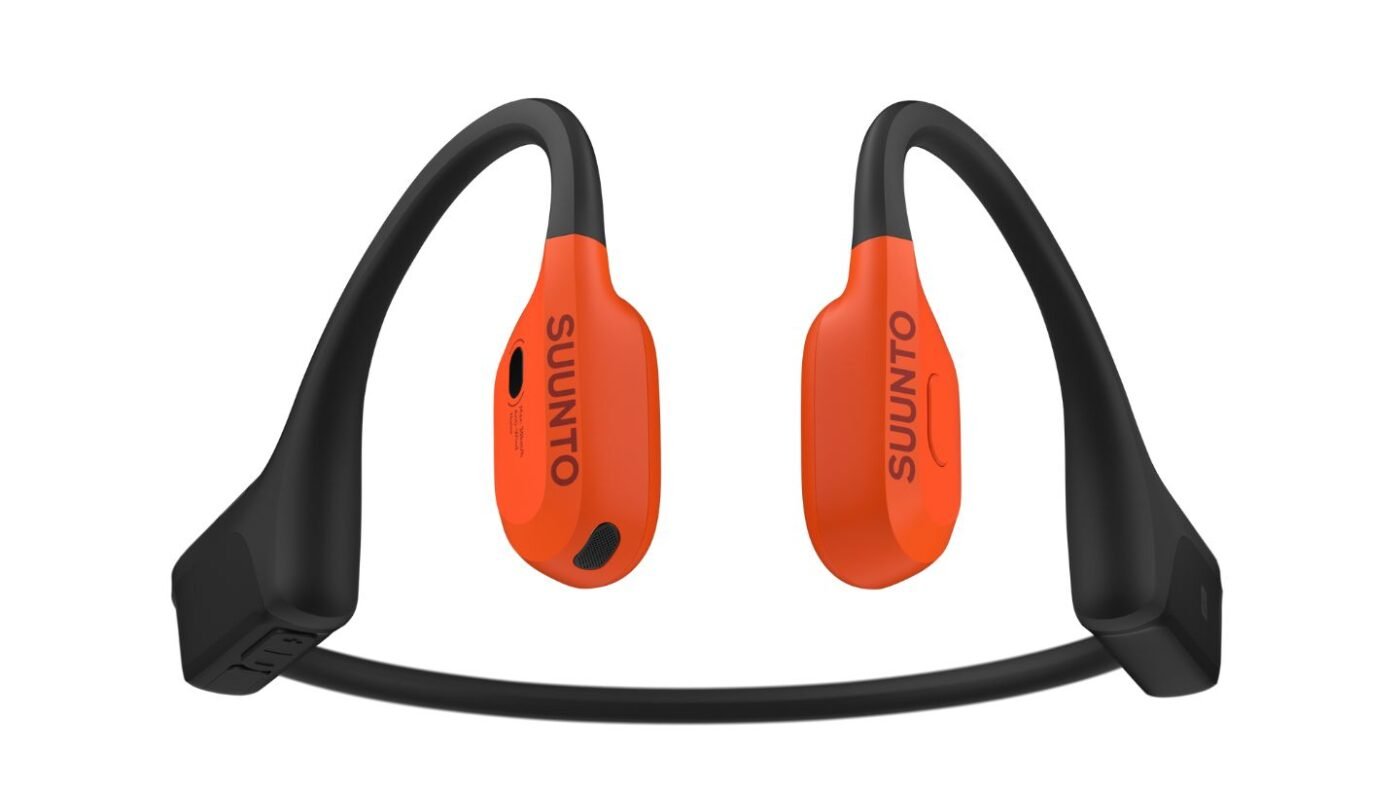
Suunto Wing 2 Headphones

Safety has gone full sci-fi, too. The Wing 2’s smart LED lights feature Turn & Brake and Cadence Sync modes. Nod left or right, and the lights signal your direction – your very own head-mounted flux indicator. Cadence Sync pulses with your steps or pedal strokes, creating a futuristic glow that keeps you visible on late-night runs. It’s like wearing a hoverboard’s safety lights on your ears – stylish, smart, and a little magical.

Comfort is critical for long adventures, and Wing 2 nails it. An open-ear design with optimised weight distribution and refined earhooks keeps the headphones secure without pinching, even during marathon runs or day-long hikes. Your music stays immersive, but your awareness stays sharp – because even in 2025, you don’t want to crash into a lamppost chasing hoverboard dreams.

Sound quality gets a serious upgrade too. Deeper bass, clearer mids, and louder volume deliver immersive tracks without muffling the world around you. And with smart sensors monitoring neck fatigue and mobility, Wing 2 even reminds you to adjust posture, making sure your neck survives all the time-travelling. Or at least your daily commute.

Available in black, coral, or orange, and priced at $AU299, the Suunto Wing 2 Headphones are a futuristic fashion gadget that Marty McFly would approve of: bold, high-tech, and ready for adventure.

So, strap in, nod to the beat, skip that song, answer a call, and let your head do the time-travelling work. Suunto Wing 2 Headphones are not quite a DeLorean, but definitely the next best thing.

The post Headphones That Let You Skip a Song By Nodding Your Head … How Very Back to the Future! first appeared on Women Love Tech.

How Michelle Battersby Made the Move From Bumble to (Pregnant) President of One of the World’s Fastest-Growing Femtech Platforms

How Michelle Battersby Made the Move From Bumble to (Pregnant) President of One of the World’s Fastest-Growing Femtech Platforms

From investment banking and HR generalist to the brains behind Bumble‘s market launch across the APAC region, Michelle Battersby has never been one to take the traditional career route. So, when she accepted the role of President at Peanut – one of the world’s fastest-growing femtech platforms – she did it her way. 30 weeks pregnant, with zero intention of slowing down.

For Battersby, that timing isn’t a side note – it’s the story. It’s proof that women don’t have to press pause on ambition just because life is in motion. If anything, she’s showing that the messy, unfiltered reality of pregnancy and career can co-exist – and even thrive – when the mission matters.

And at Peanut, the mission matters a lot. Founded in 2017 by Michelle Kennedy (another Michelle. Another former Bumble board member. And, another women in tech powerhouse), the app has become a global lifeline for women navigating fertility, pregnancy, motherhood, and menopause. It’s the space where women whisper their deepest fears – IVF setbacks, miscarriage grief, postnatal depression, identity loss – and instead of silence, they find support. With over 5.5 million users, Peanut proves that when women have room to connect, they don’t just talk – they transform the narrative.

Battersby joining as President isn’t just a strategic hire – it’s a reunion. She and Kennedy go way back to Bumble’s breakout years. Kennedy helped shape the brand globally, while Battersby became the very first hire in Australia, building its APAC empire from the ground up. Later, Kennedy backed Battersby’s own startup, Sunroom, a bold creator platform designed for women and non-binary voices, which went on to be acquired by Fanfix. Now, the two Michelles are back together, steering Peanut into its next era across the US and Australia.

And, Battersby isn’t shy about how personal this feels. “Leading Peanut’s growth while pregnant feels empowering and deeply personal. It reflects what Peanut stands for – supporting women through every stage of life,” she says. “I’m passionate about elevating women in tech. And, Peanut is a platform that gives them not just a voice, but a real community and support system.”

That drive is backed up by hard data. Peanut’s Australian State of Motherhood Survey revealed just how heavy the load still is: 69% of women experience anxiety during pregnancy, 88.5% feel lonely or isolated as mothers, and almost 60% are pressured back into work before they’re ready. Even more telling? Over 40% of women admit to hiding a pregnancy at work. Numbers like that make it crystal clear: the conversation about motherhood and identity isn’t just overdue – it’s urgent.

Kennedy believes Battersby is exactly the person to take that conversation global. “Michelle is the kind of leader tech needs – purpose-driven, vulnerable, sharp, and deeply connected to the realities women face,” she says. And the fact that she hired her at 30 weeks pregnant? That wasn’t just a leadership decision, it was a statement.

Together, the two Michelles are redefining what leadership in tech looks like. Forget the hoodie-clad Silicon Valley archetype. This is leadership fuelled by lived experience, emotional intelligence, and a refusal to pretend that the personal isn’t professional. It’s a version of leadership where women show up exactly as they are – morning sickness, sleepless nights, hot flushes and all – and still get to call the shots.

Battersby’s career has always been about building communities where women feel seen. Bumble changed the way women date. Sunroom gave women creators a safer platform. And now, Peanut is changing the way women connect across some of life’s biggest transitions. Under her leadership, it’s not just about scaling user numbers (though with 3.5 million active monthly users, that’s happening too). It’s about ensuring that women have a seat – and a support system – at every stage of their journey.

Because if Battersby’s story tells us anything, it’s this: women don’t have to wait for the perfect timing to lead. They don’t need to shrink themselves to fit the old mould of success. They can take up space – in tech, in boardrooms, in communities, in their own lives – exactly as they are.

And maybe that’s the most powerful thing about her appointment. Battersby isn’t just leading Peanut into the future. She’s reminding women everywhere that ambition doesn’t have to be delayed, muted, or hidden. It can grow right alongside them – bumps, babies, and all.

The post How Michelle Battersby Made the Move From Bumble to (Pregnant) President of One of the World’s Fastest-Growing Femtech Platforms first appeared on Women Love Tech.
Robotic Vacs are Nice and All … But Sometimes You Just Want to Drive a Stick

Robotic Vacs are Nice and All … But Sometimes You Just Want to Drive a Stick

Automatic cars are smooth, no doubt. You slip it into drive, the gears change for you, and before you know it, you’re cruising down the highway without a care. It’s effortless, practical, and perfect for everyday runs. But ask any car lover and they’ll tell you – sometimes you just miss driving stick. The clutch, the gear shift, the feeling that you’re not just along for the ride, you’re running the show. That’s exactly the vibe of Roborock’s latest launch in Australia: the Roborock H60 Hub Ultra cordless stick vac.

Robot vacuums are the automatic cars of the cleaning world. They glide around your home on autopilot, mapping the space and quietly swallowing up dust bunnies while you kick back on the couch. They’re brilliant for everyday maintenance, like cruise control on a long stretch of freeway. But sometimes, you want to take the wheel yourself – to feel the rev of the engine, or in this case, the thrill of chasing down every crumb with full control in your hands. That’s where the H60 Hub Ultra comes in.

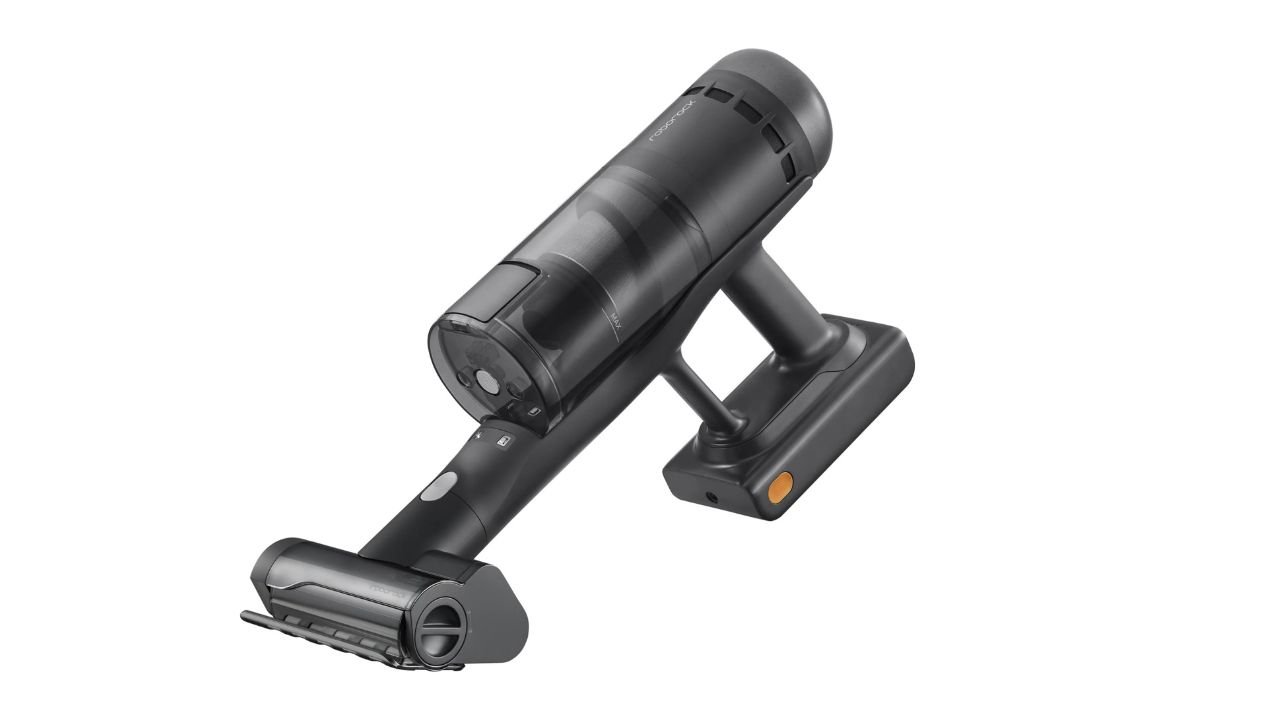
And make no mistake, this isn’t some clunky old stick vac that stalls halfway through the job. This is the turbocharged sports edition. With a powerful 210AW of suction, TUV Rheinland certification for performance, and up to 90 minutes of runtime on a single charge, the H60 Hub Ultra handles embedded dirt in carpets, dust along skirting boards, and the kind of messes that appear after a Saturday night-in with snacks. Its lightweight build and telescopic wand make manoeuvring around furniture a breeze – like threading through tight city traffic without breaking a sweat.

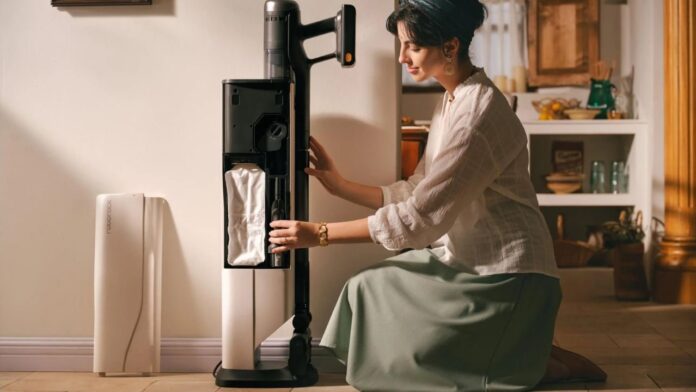
Roborock H60 Hub Ultra

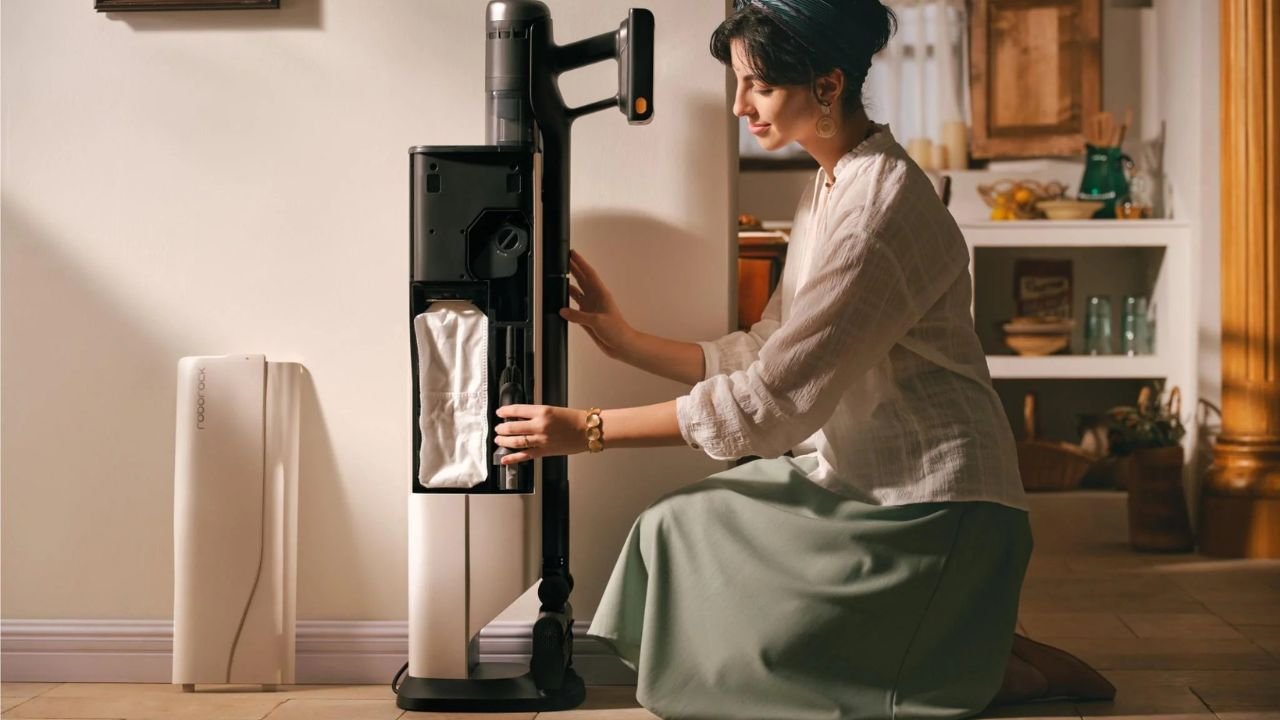
But, the Roborock H60 Ultra really shifts things into another gear with its own auto-empty dock. That means once you’re done zipping around, you simply park it and in ten seconds flat, the dock sucks everything into a 3L sealed dust bag that can hold up to 100 days’ worth of dirt. Think of it like pulling into the pits after a lap and having the crew take care of the hard stuff. No awkward lifting, no dirty hands, no stalling at the finish line. Just effortless docking at an ergonomic 848mm height, where the vacuum also recharges itself for your next spin.

Even better, the H60 Hub Ultra has a 140° wide-angle green dust detection light – basically your high-beams for cleaning. It reveals hidden dust you’d otherwise miss, whether it’s under the bed or in those high-traffic corners that always seem grubbier than you remember. Combine that with a five-stage filtration system (including a HEPA filter that captures 99.95% of microdust particles as small as 0.3 microns), plus sealed dust bags that trap 99% of bacteria, and you’ve got yourself not just a cleaner home, but cleaner air too. For allergy sufferers, that’s a serious win.

The Roborock H60 Hub Ultra’s versatility vibes are strong too. This is a machine built to handle every kind of terrain. The anti-tangle brush — with its curved shark-tooth design and fibre-rubber roller — means zero hair wrap, which is a godsend for pet owners or anyone with long locks. A motorised mini-brush makes quick work of upholstery and mattresses, while the 2-in-1 crevice tool gets into the nooks and crannies other vacs can’t reach. Plus, everything tucks neatly into the dock, so your toolkit is always organised and ready for action.

As Roborock founder and CEO Richard Chang puts it: “With the H60 Hub Ultra, we’re combining flagship-level power with the convenience of automatic dust disposal, so Australians can spend less time on chores and more time doing what they love.” In other words, it’s like having paddle shifters on a sports car — you still get the rush of control, but the hard graft is handled for you.

So yes, robotic vacuums are nice. They’ll always have their place, like a trusty automatic that gets you from A to B. But sometimes you want to rev the engine, throw it into gear, and take cleaning for a proper spin. And thanks to the Roborock H60 Hub Ultra — available for $999 via Roborock’s official store and participating online retailers — you don’t have to choose between convenience and control ever again.

The post Robotic Vacs are Nice and All … But Sometimes You Just Want to Drive a Stick first appeared on Women Love Tech.