Anuncio
Me encanta Orlando
Inicio Blog Página 3

Preparing for a Christmas Seafood Feast? This Tiny Tech Could Change How we Tell If Our Fish is Fresh

Preparing for a Christmas Seafood Feast? This Tiny Tech Could Change How we Tell If Our Fish is Fresh

If you have ever hovered over a piece of fish at the supermarket, wondering if it’s fresh enough for lunch (If you’re an Aussie who’s team Christmas seafood, of course, you have), you’re not alone. Freshness is one of the most significant variables in food safety, yet it’s something shoppers often rely on to gauge by a quick sniff test. Now, a team of Melbourne scientists has stepped in with a bit of breakthrough tech that could transform the way we measure it. And it’s small. Microscopically small.

Researchers at Monash University, working in collaboration with Deakin University, have unveiled the world’s first microneedle-based biosensor designed to monitor fish freshness in real time. Think of it as a tiny, high tech checker that can tell you what your nose can’t. Instead of relying on guesswork or lab heavy testing methods, this new sensor promises simple, fast and accurate readings straight from the surface of the fish.

At the heart of the innovation is something called a microneedle array. The sensor uses an electrochemical technology that reads levels of hypoxanthine, a compound that naturally rises as fish begins to spoil. Traditionally, testing hypoxanthine has involved an entire production line of steps that require grinding, filtering and centrifuging samples before they ever reach an instrument. The process is slow, expensive and firmly stuck behind laboratory doors.

This new model cuts through all of that. Instead of lengthy preparation, the microneedle array can be pressed directly onto the surface of the fish. No homogenisation. No filtration. No fancy machinery. Just a quick, direct measurement on semi-solid tissue that takes the complexity out of freshness testing. Published in ACS Sensors, the study marks the first demonstration of this technology working on fish meat in a real-world way.

Over a 48-hour monitoring period, the biosensor successfully tracked the rise of hypoxanthine as spoilage increased. In other words, it didn’t just work in theory. It worked on the meat itself, capturing changes before they were visible to the eye. According to first author and PhD candidate Masoud Khazaei, who carries out his research through the Monash Institute of Pharmaceutical Sciences and the Melbourne Centre for Nanofabrication, this is exactly where the promise lies.

“Food, especially fish meat, is extremely vulnerable to oxidation and microbiological deterioration and therefore effective analytical techniques for quality control and safety monitoring are required,” he said. He explains that by eliminating complex preparation steps, the sensor dramatically shortens the analysis period, making real-time testing a genuine possibility in the field or along the supply chain. Even more importantly, the readings closely aligned with those from a trusted commercial assay, confirming its accuracy.

Senior author Professor Nicolas Voelcker sees it as a potential turning point for the entire food sector. As a leader at MIPS, the Melbourne Centre for Nanofabrication and the Monash Department of Materials Science and Engineering, he has worked across many forms of next generation sensing technologies. He says this one shows real momentum. According to him, the sensor delivers reliable data even before spoilage becomes visible, highlighting how traditional testing can miss those crucial early changes.

It’s that early window that excites Dr Azadeh Nilghaz, a MIPS Research Fellow and project lead who also worked on the study through Deakin. She says the microneedle design offers rapid response and high sensitivity, with readings delivered in as little as 100 seconds. That makes it fit for fast paced environments where waiting for lab results simply isn’t practical.

“Freshness isn’t something we can guess, it’s something we have to measure,” she said. She explains that hypoxanthine rises well before fish looks or smells off, and catching that moment is the key to preventing spoiled food slipping through the cracks and landing on someone’s plate.

With a provisional patent already filed, the research team is now preparing to take the technology to commercialisation. If successful, we could soon see microneedle sensors becoming part of everyday food safety checks, offering a smarter, streamlined way to monitor freshness before it becomes a problem.

In a world where supply chains are stretched and food waste continues to climb, this tiny technology offers a small but significant shift. One that could make choosing the perfect piece of fish a lot less uncertain and a lot more scientific.

The post Preparing for a Christmas Seafood Feast? This Tiny Tech Could Change How we Tell If Our Fish is Fresh first appeared on Women Love Tech.
Why 900 Girls Are About to Step Into Australia’s Tech Future

Why 900 Girls Are About to Step Into Australia’s Tech Future

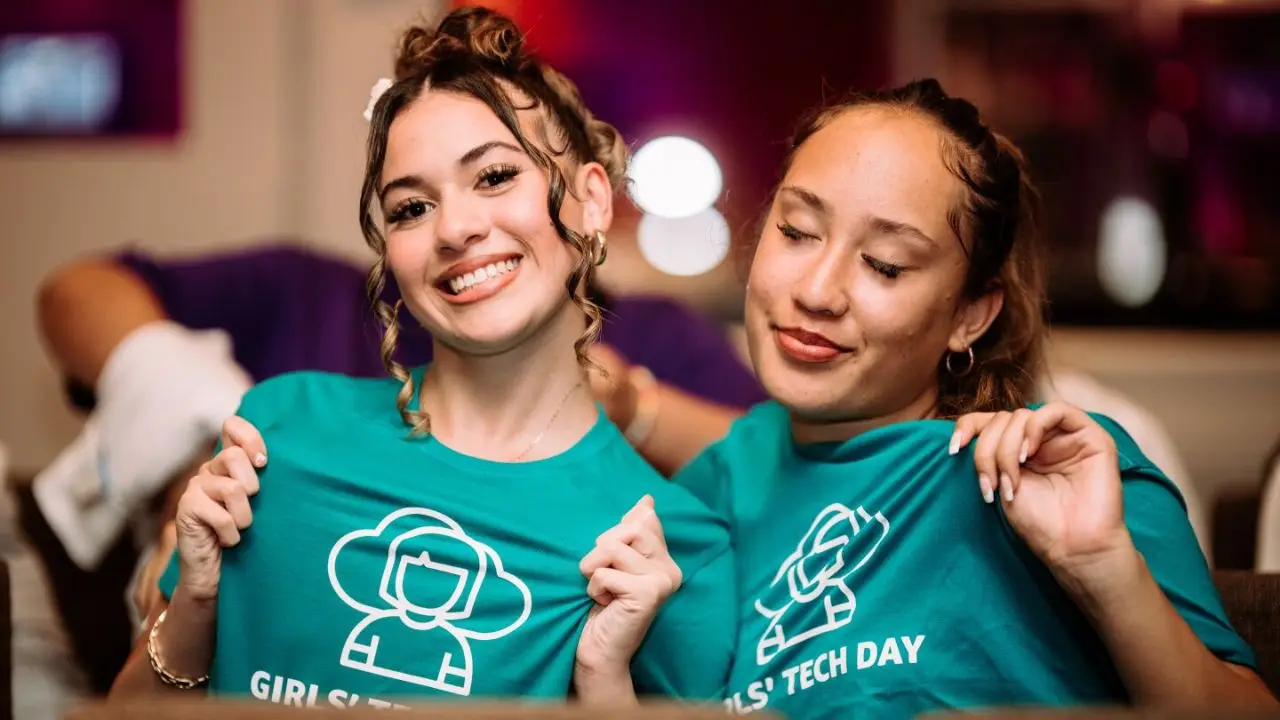
If you’ve ever wondered what the future of Australia’s tech workforce actually looks like — not in theory, not in glossy policy documents, but in real time — the answer will be walking through the doors of Camden Civic Centre this Thursday 11 December. Around 900 girls from Years 3 to 12, lacing up their school shoes, clutching permission slips, and stepping straight into the world that will define their generation more than any other: a world powered by artificial intelligence, automation, digital creativity and STEM.

It all lands just days after the federal government revealed its National AI Plan, a blueprint centred on workforce development and ensuring AI benefits everyone, not just the already-initiated. And in a neat and very timely coincidence, Amazon Girls’ Tech Day — the tech giant’s global flagship STEM event for young women — is touching down in Western Sydney for the first time. It’s more than a date on the calendar. It’s a tangible example of what “inclusive workforce development” looks like when it moves from policymaking to real-world action.

Camden Mayor Therese Fedeli calls the region a “growth corridor for STEM jobs”, and that feels like an understatement. Western Sydney is now home to some of the country’s fastest-evolving communities. And, its young people sit at the centre of Australia’s economic future. Giving these girls early access to hands-on technology, role models and career pathways isn’t just an educational perk — it’s a strategic investment in the kind of workforce we’ll need if Australia wants any hope of capitalising on the government’s forecasted $600-billion AI opportunity.

Amazon Girls’ Tech Day itself has all the energy of a festival, but grounded in serious purpose. Think robotics workshops where students build and test their own creations. Coding stations where beginners and budding engineers alike can experiment. Music-mixing and digital production sessions courtesy of Ableton. Autonomous race car demonstrations through AWS DeepRacer that not only make STEM feel fun, but tangible. And an entire exhibition hall filled with trailblazing female technologists ready to share their stories. These include Associate Professor Anupama Ginige, one of Western Sydney University’s most respected voices in computer sciences and health informatics.

Associate Professor Ginige doesn’t mince words. Girls don’t just belong in STEM, she says — their ideas, perspectives and leadership are urgently needed to solve real-world problems. Her message feels especially pointed when you stack it against the latest research. 75 per cent of Australian employers say they cannot find enough AI talent. Workers with AI skills earn 29 per cent more than those without. And yet girls remain heavily under-represented in STEM pathways, often before they’ve even made it to high school.

New Amazon research also shows that while 97 per cent of Australian high-school students study STEM, almost a third have no idea what careers those subjects can unlock. Just as concerning, only 33 per cent say they have STEM role models. Having one, however, makes a student 80 per cent more likely to keep studying it. It’s a striking reminder that interest alone isn’t enough — exposure, encouragement and representation matter just as much.

That’s why Amazon Girls’ Tech Day doubles down on visibility. Students won’t just see technology; they’ll see people — women who work in robotics, AI, software engineering, design, data science and digital creativity. Women didn’t arrive fully formed — they built their careers step by step, and they’re now paying that forward. For many students, that alone is transformative. Seeing someone who looks like you in a field you didn’t know was an option can rewire the trajectory of your life before you’ve even realised it.

The event is also bolstered by Western Sydney University’s new partnership with Amazon. And, marks the first time Amazon Girls’ Tech Day has been embedded this deeply with a university in Australia. Beyond inspiration, the two are co-developing a classroom teaching resource linked directly to the exhibitors and technologies showcased on the day. Led by Associate Professor Ginige, the resource will explore how AI systems can improve applications in health science — a field exploding with opportunity — and will be made available to both attendees and schools unable to participate. In other words, the impact stretches far beyond the event itself, trickling into classrooms, lesson plans and teacher confidence.

And that ecosystem is widening thanks to a diverse lineup of exhibitors. Adobe will demonstrate how creative technology powers design and storytelling. The Girls’ Programming Network will run mentor-led coding workshops designed specifically for girls and non-binary students. Amazon Music will set up podcasting stations where students can interview STEM professionals. Blackbird will highlight the entrepreneurial thinking behind some of Australia’s most exciting female-founded startups. And Amazon Robotics will show automation and AI in action — the practical, real-world kind that makes abstract concepts immediately click.

It’s easy to read those numbers. 900 students, more than 20,000 young women impacted globally since the program began, 4,500 participants across Sydney and Melbourne — and view Amazon Girls’ Tech Day as merely “big”. But the true power sits in the small moments: the Year 6 student realising she loves coding, the teenager who discovers she can mix music with software, the shy Year 9 girl who asks a roboticist what she studied at uni, the first-generation student who suddenly sees a pathway she didn’t know existed.

As Australia races to keep pace with global AI and digital transformation, these moments matter. A future AI-enabled workforce doesn’t magically appear. It is shaped — intentionally, consistently and with investment — from childhood. And Western Sydney, with its swelling population, diversity, creativity and hunger for opportunity, is exactly where this kind of work should be landing.

So next week, when 900 girls stream into the Camden Civic Centre, they won’t just be attending a tech event. They’ll be stepping into a future that desperately needs them. A future in which their ideas could power AI breakthroughs, drive innovation, lead research teams, build companies, transform health care or design solutions we haven’t yet imagined.

And if even a handful walk away thinking, Yes. This world is for me, then Australia’s AI ambitions suddenly look a whole lot more achievable.

The post Why 900 Girls Are About to Step Into Australia’s Tech Future first appeared on Women Love Tech.
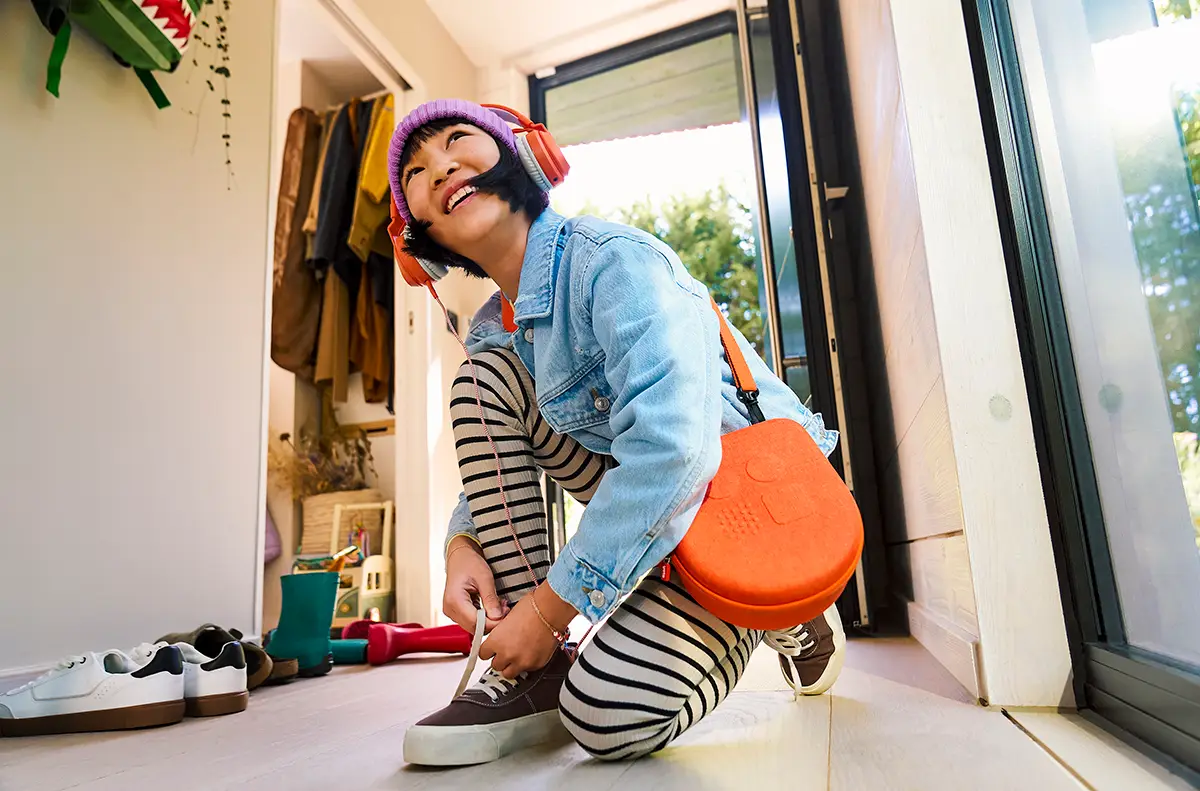
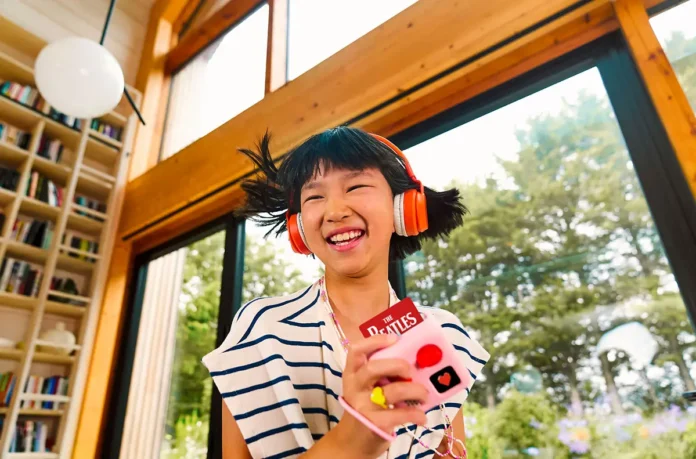
Yoto Mini Player Hands-On: A Screen-Free Alternative to Doomscrolling

Yoto Mini Player Hands-On: A Screen-Free Alternative to Doomscrolling

With a two-hour daily commute to work, I was looking for a way to pass the time without doomscrolling on social media. Yoto Mini Player was on my shortlist as something to listen to. 

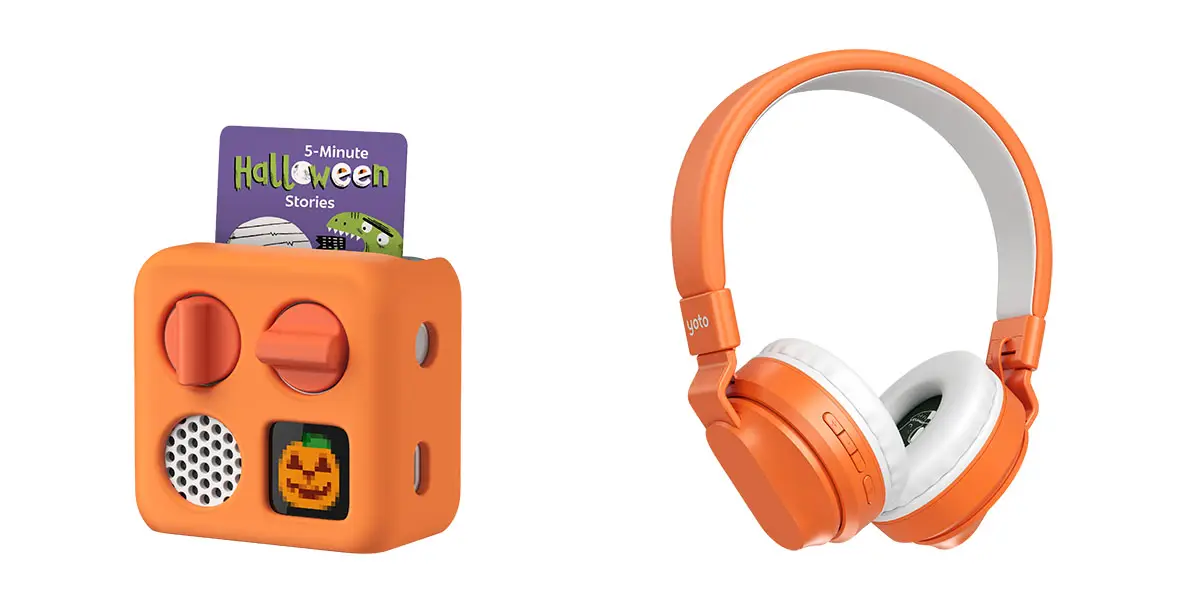
The box contains a fancy orange USB-C charger, a safety information booklet, and a Get to know your Yoto Mini booklet. 

You’ll need to set up your Yoto Mini. Download the Yoto app and follow the instructions to pair it with your phone. It is Bluetooth-enabled.

You’ll want to play the Welcome Card and listen to ten tips.

Yoto Mini Player Image
Image Credit: Yoto Play

Pros

  • The Yoto Mini is easy to use. There’s an on/off button on the side. There are two dials, with the left-hand one controlling the volume. Press the left button for the previous track and press the right button to skip to the next track.
  • Lightweight and compact size is great for small spaces and travel.
  • No microphone. No camera. No ads.
  • Listen to family-friendly radio channels.
  • Free white noise and sleep sounds.

Cons

  • If you’re using the app on your mobile phone, it doesn’t remember where you stopped it last. I would have liked to read the lyrics or a transcript. 
  • The battery life could be better.

I would have preferred the standard music player buttons. The orange accessories are on brand and fun, but I’d prefer blue headphones and a carry case. 

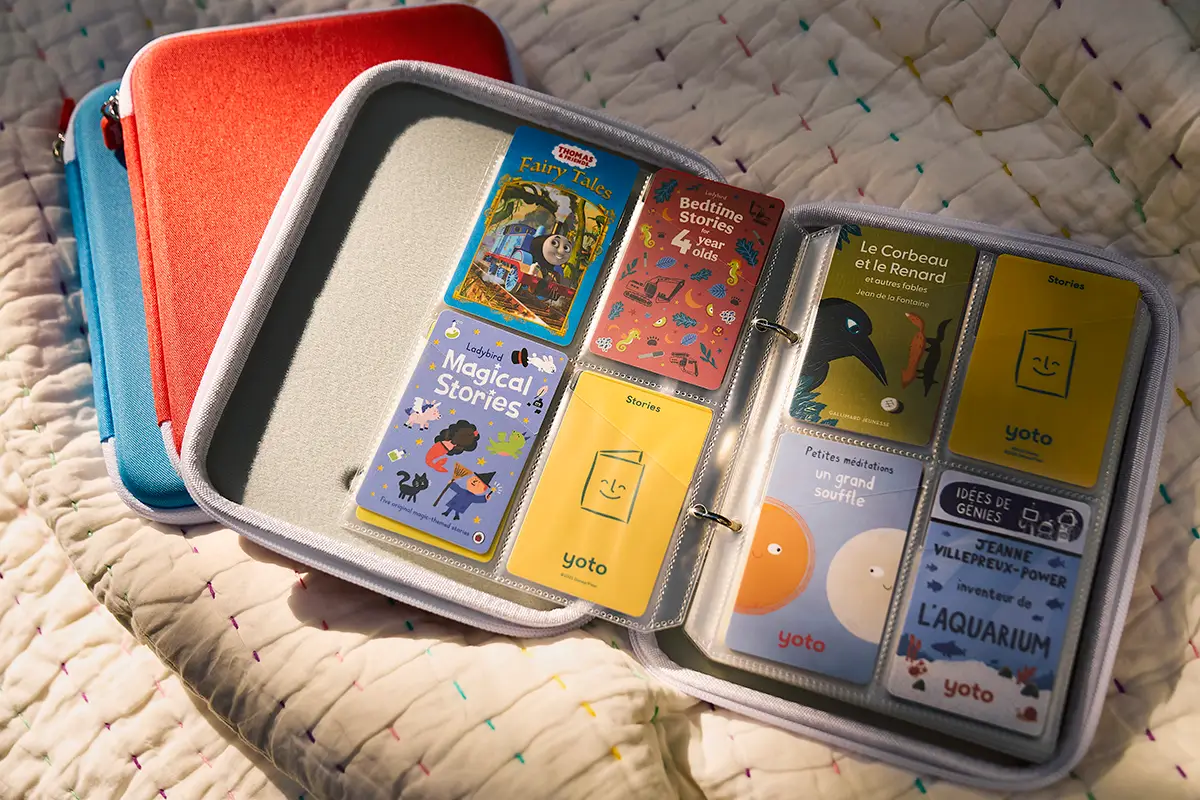
Make Your Own Cards 

Yoto Mini Player
Image Credit: Yoto Play

You can make your own cards by downloading audio files from the web. You can create a playlist with up to 100 tracks in an MP4 or MPEG-4 audio format.

There are plenty of ways to decorate your player cards and store them. 

There are groups online where you can buy and swap Yoto cards that your kids might have outgrown. 

Suitable for children aged 3 to 12 plus. Adults may envy their kids Yoto’s and long for more music cards.

Yoto Mini’s compact size makes it perfect for road trips, flights and play dates.

Yoto Mini Player
Image Credit: Yoto Mini Player

About Yoto Mini Player

Inspired by Montessori principles, Ben Drury and Filip Denker founded Yoto in 2017. The very first Yoto Player launched on Kickstarter, then promptly sold out in 2019. The second-generation Yoto Player was designed with renowned design agency, Pentagram and launched in early 2020.

With major markets in the UK, North America, Canada and France, Yoto launched in Australia in July 2024. TIME Magazine named Yoto Player one of the Best Inventions of 2020, and Yoto Mini and Yoto Player (3rd Generation) have both been awarded a prestigious D&AD Pencils.

Yoto’s platform features both award-winning original content and audio that has been licensed or co-created with partners. These partners include Penguin Random House, Universal Music Group, Macmillan, Sony Music, Disney, Roald Dahl Story Company, HarperCollins, Hachette, Viacom, Bonnier and Scholastic.

The post Yoto Mini Player Hands-On: A Screen-Free Alternative to Doomscrolling first appeared on Women Love Tech.
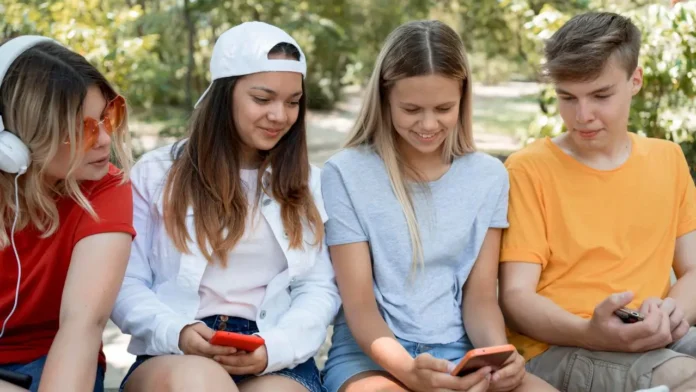
This is How Meta is Helping Teens Prepare For Wednesday’s Social Media Ban

This is How Meta is Helping Teens Prepare For Wednesday’s Social Media Ban

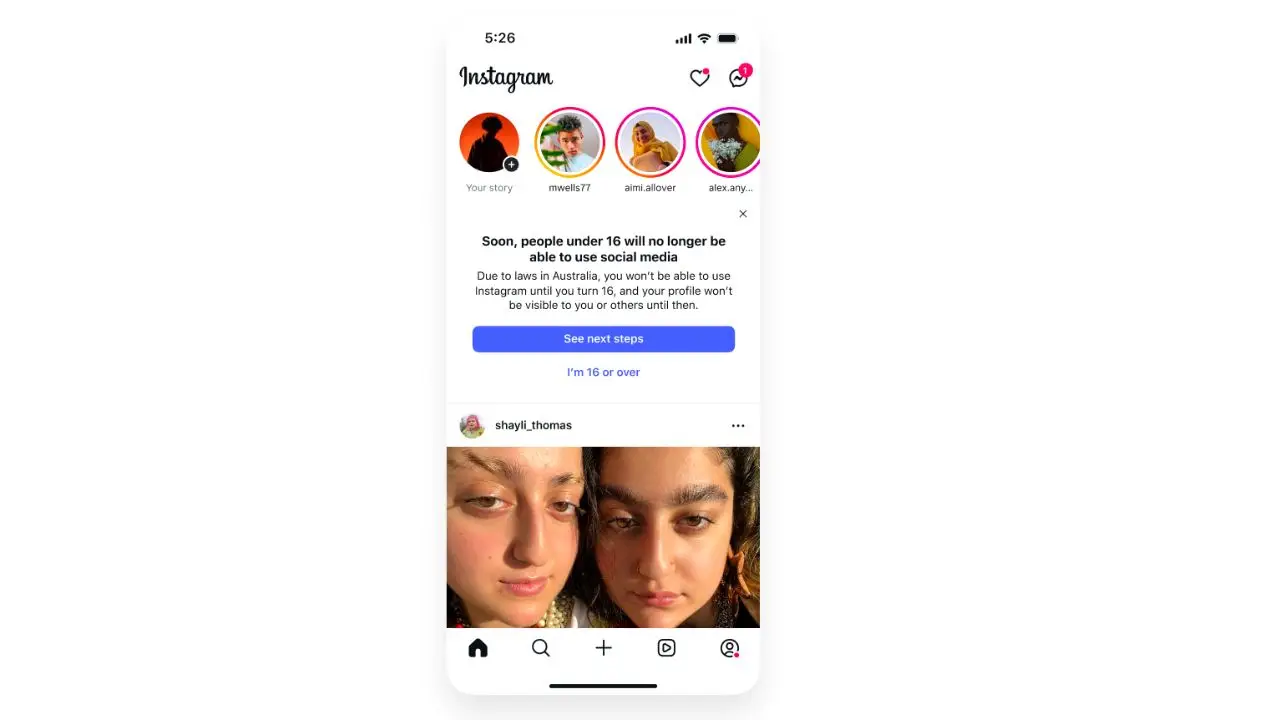
If your household has been buzzing with confusion, group chats, and a few quiet moments of teen panic, you’re not alone. Australia’s new Social Media Minimum Age law officially kicks in on 10 December 2025, banning anyone under 16 from holding accounts on major platforms including TikTok, Snapchat, YouTube, Reddit Kick, Twitch and X. As well as Meta’s Instagram, Facebook and Threads. The announcement first landed a few weeks ago, but with the deadline now days away, the reality is starting to hit. And for many young users, that means wondering what happens to the years of posts, messages and memories sitting inside their apps.

Meta shared its Social Media Ban plan with media on Thursday, 20 November, and this week those changes are becoming real for teens across the country. From that date, Meta began notifying Australian users it believes are between 13 and 15 that they will soon lose access to Instagram, Threads and Facebook. Those notifications come through in-app alerts, emails and even text messages, all giving teens a 14 day window to download and save their content. Meta began blocking new under-16 accounts on 4 December and will revoke all remaining access by 10 December.

For teens, it’s a mix of housekeeping and heartbreak. According to Meta, young users can download their posts, Reels, messages and photos, update their contact details so the company can reach out when they turn 16, or choose to delete their accounts entirely. And while the law will soon place Meta’s suite of social apps off limits, it still allows Messenger — so teens can still stay in touch with friends.

Parents might already be fielding questions from kids who are convinced they’ll lose every memory they’ve ever posted. That’s where Meta’s extra reassurance comes in. The company is encouraging anyone who receives a notification to follow the instructions carefully and save their content.

As Mia Garlick, regional policy director at Meta, puts it, “For all our users aged 15 and under, we understand the importance of the treasured memories, connections, and content within your accounts. Look out for our official notifications and follow the instructions to safely preserve and download your digital history across Instagram, Threads, and Facebook. When you turn 16 and can access our apps again all your content will be available exactly as you left it.”

She also adds a reminder for caregivers: “We also ask parents to work with their children to ensure the correct birth date is registered on their social media accounts. Parents remain important partners in promoting the appropriate use of technology within their households as platforms such as ours work to comply with the law.”

Social Media Ban

Of course, not every flagged account will be correct. Age estimation is messy at the best of times, let alone at a globally new threshold like 16. And, Meta openly acknowledges this next phase will be complicated.

The company is relying on a data minimisation approach, which means it’s using the least intrusive methods to estimate age and will only request more information if something doesn’t look right. If the system mistakenly flags an older user as under 16, they can verify their age with a video selfie or government ID through trusted partner Yoti.

Antigone Davis, vice president and global head of safety at Meta, acknowledges the hurdles ahead. “While we are working hard to remove all users who we understand to be under the age of 16 by 10 December, compliance with the law will be an ongoing and multi-layered process.”

She also notes the findings of the government’s own Age Assurance Technology Trial, saying, “Though we are committed to compliance, we must also acknowledge the findings of the Age Assurance Technology Trial, which recognises the particular challenges of age assurance at the novel 16 age boundary. We believe a better approach is required: a standard, more accurate, and privacy-preserving system, such as OS/app store-level age verification. This, combined with our investments in ongoing efforts to assure age and verify that signal and age-appropriate experiences like Teen Accounts, offers a more comprehensive protection for young people online.”

And while the focus is understandably on teens, the changes ripple outward. As Will Easton, VP and managing director of Meta Australia, explains, “We share the government’s goal of creating safer, age-appropriate online experiences, however blanket bans bring their own set of challenges. We have invested in tools and protections to help keep young people safe online, and we will continue to advocate for solutions that balance safety, privacy, and the positive connections young Australians find on our platforms.” He also reassures brands that “we offered limited opportunities to target younger audiences and expect minimal to no impact on ad performance for most customers following the ban.”

It’s a huge shift, one that will reshape the way young Australians experience the digital world. But for now, Meta’s message is clear: download your memories, update your details and take a breath. Your account will be waiting for you at 16.

The post This is How Meta is Helping Teens Prepare For Wednesday’s Social Media Ban first appeared on Women Love Tech.
What Do Taylor Swift, the AFL and a Boiled Egg Have in Common? The Answers According to Alexa

What Do Taylor Swift, the AFL and a Boiled Egg Have in Common?  The Answers According to Alexa

If you’ve ever wondered what Australians really get up to when no one’s watching… ask Alexa. Or better yet, look at what Alexa has been asked. Amazon has just revealed its annual list of Australia’s most-queried topics for the year — and the results of what Aussies most Ask Alexa in 2025 are a chaotic, extremely relatable peek into our collective brain. Spoiler: we’re still in our Taylor Swift era. And our K-pop era. And our “how long do you cook salmon?” era. We contain multitudes.

To start, Taylor Swift still owns us. For the second year in a row, she’s the number one most asked-about celebrity in the country. Aussies grilled Alexa on everything from her height to her net worth to who she’s dating — and, naturally, played her music on repeat. Honestly, is it even an Aussie household if “Alexa, play Love Story” isn’t yelled across the kitchen at least once a week?

But 2025 wasn’t all about country-crooning-first superstars. This was the year we collectively fell down the K-pop-meets-anime rabbit hole with KPop Demon Hunters, the fictional group from Netflix’s hit series. Not only did they infiltrate our screens, they took over our speakers. Tracks from the “virtual” band — including HUNTR/X’s Golden and Saja Boys’ Soda Pop — dominated the Amazon Music top ten. Australia’s own ROSÉ climbed even higher, landing the most-requested local artist title and securing the number one most-requested song overall with APT., her collaboration with Bruno Mars. Say what you will about 2025… the playlists were elite.

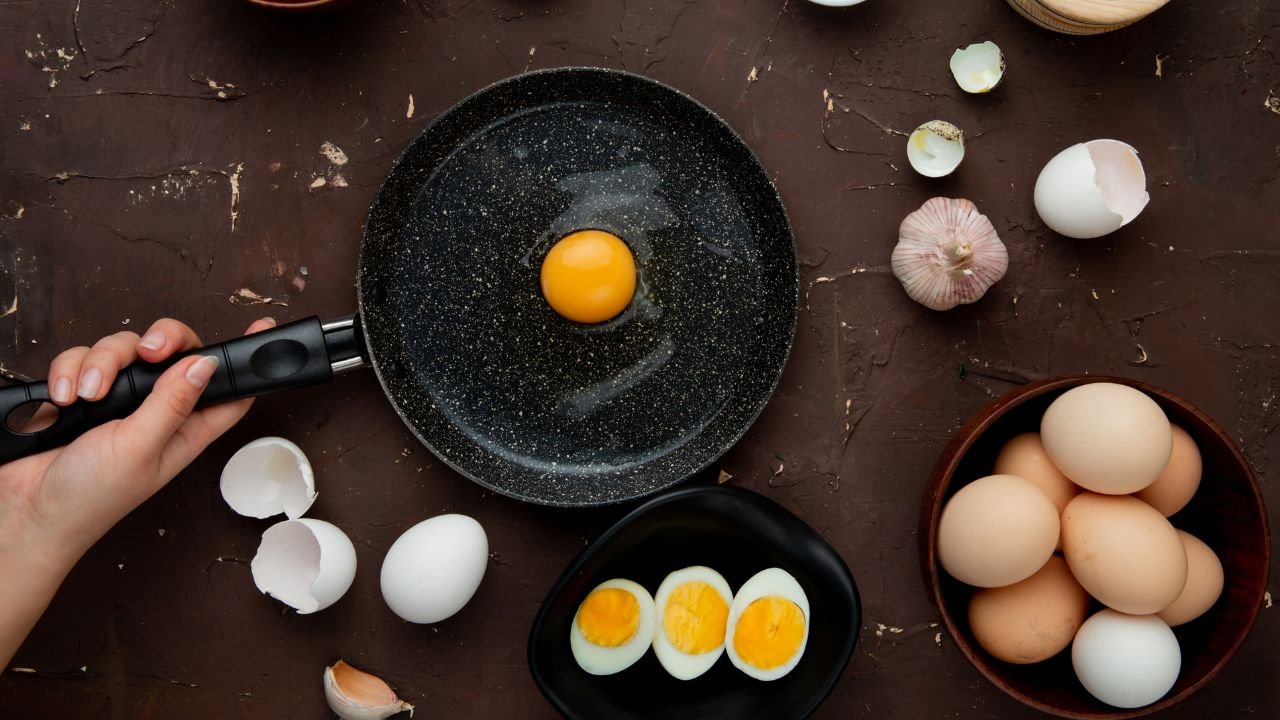
“Alexa has become a go-to for every type of question you can imagine,” says Kate Gooden, Country Manager for Amazon Alexa ANZ. “From Taylor Swift to footy scores to ‘how long do you cook an egg?’, Alexa has been there.” And judging by this year’s list, it’s true — our curiosities span from global pop culture to extremely practical life admin.

Ask Alexa 2025
What did Aussies Ask Alexa in 2025? Read on for some eggs-scellent insights

The Aussie love of local celebs also lead the charge. Steve Irwin topped the list of most-asked Aussies — because apparently we still can’t get enough of the icon. Even nearly two decades on. Nicole Kidman, Kylie Minogue, Chris Hemsworth and Robert Irwin followed closely behind. Musically, homegrown favourites were thriving too, with The Kid Laroi, Hilltop Hoods, John Farnham and Kylie all securing solid spots among the most-requested local artists.

Sports fans also kept Alexa busy — and AFL proved it still reigns supreme. The Collingwood Magpies were the most-asked-about team, followed by the Brisbane Lions, Geelong Cats, Adelaide Crows and Sydney Swans. Only one NRL team broke into the top ten: the Brisbane Broncos, a lone representative flying the league flag amongst a sea of footy questions. Meanwhile, global sporting heroes like Cristiano Ronaldo and Lionel Messi were among the most-asked celebrities overall — proving that football fever is alive and well.

Of course, Australians also used Alexa for the important stuff… like settling long-running dinner-table debates. “Is tomato a fruit or a vegetable?” “How big is the population of India?” “When is the King’s Birthday?” Or, a personal favourite: “How do you solve a Rubik’s Cube?” (If Alexa can teach you that, she deserves a raise.)

But the most charming category? The extremely wholesome everyday-life queries. Aussies leaned heavily on Alexa for cooking advice — the kind your nan would normally field.

“How long do you cook broccoli?”
“How long do you cook sweet potato?”
“How do you cook for just yourself?”

Then there were sleep-related panics, clearly typed at 2am:
“How to fall asleep?”
“How to fall asleep fast?”

Sportsfans also kept Alexa occupied in 2025

And a huge rise in queries for Islamic prayer times, showing the diversity of the communities using Alexa every day.

Put it all together and you get a portrait of the Australian household in 2025: part pop-culture tragic, part foodie, part trivia nut, part sports obsessive, and part existential insomniac.

In other words — wonderfully, chaotically us.

So the next time you ask Alexa to play Taylor Swift for the twelfth time today, or help you figure out how long to roast salmon, just remember: you’re in excellent company. Millions of Aussies are doing the exact same thing.

(And yes, tomato is technically a fruit. Alexa checked.)

The post What Do Taylor Swift, the AFL and a Boiled Egg Have in Common? The Answers According to Alexa first appeared on Women Love Tech.
In News That Will Surprise Exactly No One Taylor Swift Has Topped Spotify Wrapped Once Again

In News That Will Surprise Exactly No One Taylor Swift Has Topped Spotify Wrapped Once Again

It is the most wonderful time of the year. No, not Christmas. Spotify Wrapped Day. The annual digital rite of passage where Spotify gleefully exposes your personality via your listening habits and you pretend you are not sweating over how many minutes you devoted to Sabrina Carpenter at 2am. This year, Wrapped is bigger, brighter and far more nosy than ever. And, serving up new features designed to crack open your music DNA and read you like an ex that you just can’t quit.

While we’ll leave it to you and your besties/mums group chat/office kitchen conversation to debate what “the Yacht Rock” category even means, here’s the other wild new tools, new global stars and new data deep dives, that Spotify Wrapped 2025 drew on to show you exactly who you became in 2025.

Ask Alexa 2025 Taylor Swift

The New Features That Will Absolutely Humble You

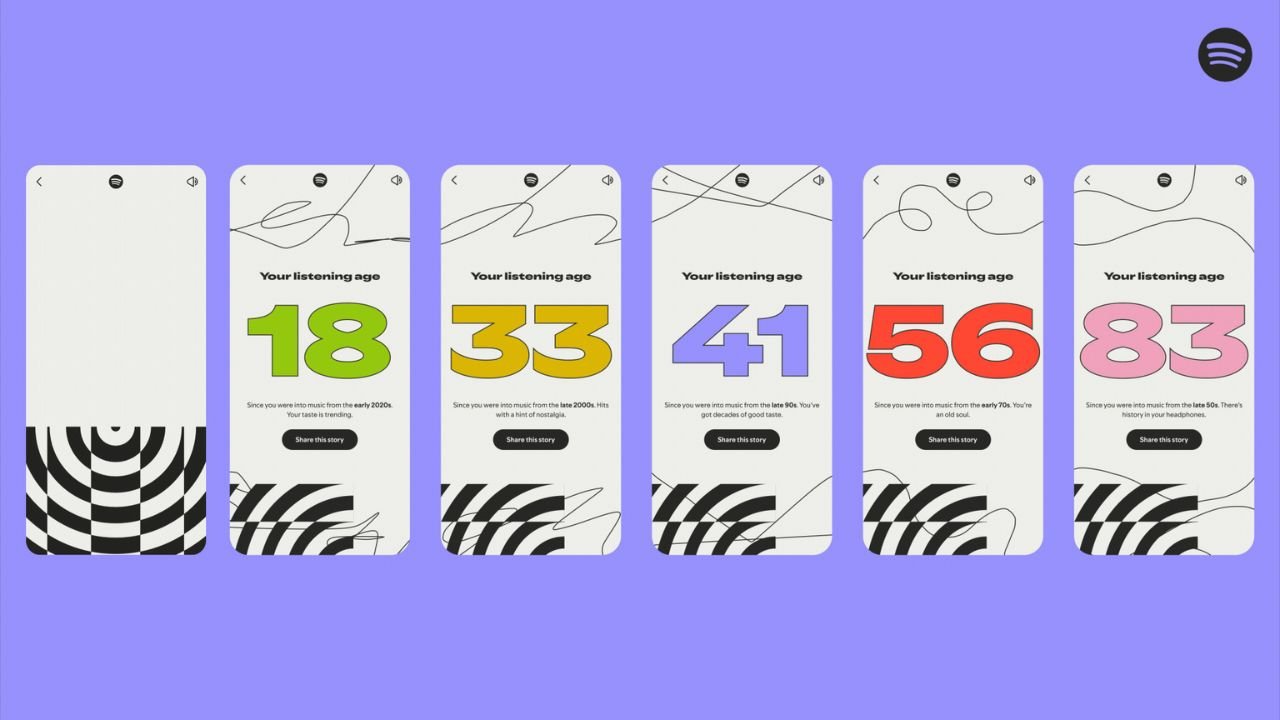
Let’s start with Listening Age, possibly the most unhinged addition to the platform to date. This feature compares the release years of your most played songs to the rest of your age group. If you have the musical sensibilities of a 62 year old man who only listens to Crowded House, this is the moment of truth.

Next up is Fan Leaderboard. If you have been claiming you are Taylor Swift’s number one Australian fan, this is the year your receipts arrive. Spotify will show where you rank globally among her listeners based on total minutes streamed. Prepare to be humbled by thirteen year olds with unlimited free time.

Then we have Clubs. Spotify is now sorting users into one of six listening style tribes, finally giving structure to the chaos that is your audio personality. Whether you fall into chaotic shuffler energy or deeply committed album loyalist, Wrapped now has a club for that.

There is also Top Albums for the first time, Your Author Clip and Your Podcaster Clip so audiobook and podcast girlies are officially having their moment. Plus a Listening Archive powered by AI which serves up the five most memorable days of your listening year. Yes, Spotify remembers that evening you rage streamed Olivia Rodrigo on loop.

And if you want to experience your year with friends, the new Wrapped Party feature lets you revisit 2025 in real time with people who enabled your awful listening habits in the first place.

Spotify Wrapped Listening Age

Australia’s Big Streaming Moments of 2025

Taylor Swift has once again claimed the crown as Australia’s most streamed artist for the third year running. She cannot be stopped and frankly, at this point, should run for Prime Minister.

Alex Warren’s Ordinary took out the most streamed track across the country, while The Wiggles dominated the local artist list. Chaos? Yes. Surprising? Not at all.

Australian listeners leaned into K-Pop harder than ever, with KPop Demon Hunters taking out Australia’s top album of the year. Sabrina Carpenter’s Short n’ Sweet and Alex Warren’s You’ll Be Alright, Kid rounded out the chart, proving Aussies really do love a catchy pop confession.

In podcasts, The Joe Rogan Experience was once again the country’s most popular, followed by The Diary Of A CEO with Steven Bartlett, The Mel Robbins Podcast, Casefile True Crime and Huberman Lab. For local podcasts, Casefile claimed the top spot, with Hamish & Andy, The Imperfects, It’s A Lot with Abbie Chatfield and ABC News Top Stories completing the list.

On the audiobook front, Rebecca Yarros ran the game with Fourth Wing at number one and Iron Flame at number two, followed by Sarah J. Maas and other fantasy powerhouses dominating Aussie ears.

Spotify Wrapped 2025 The Wiggles

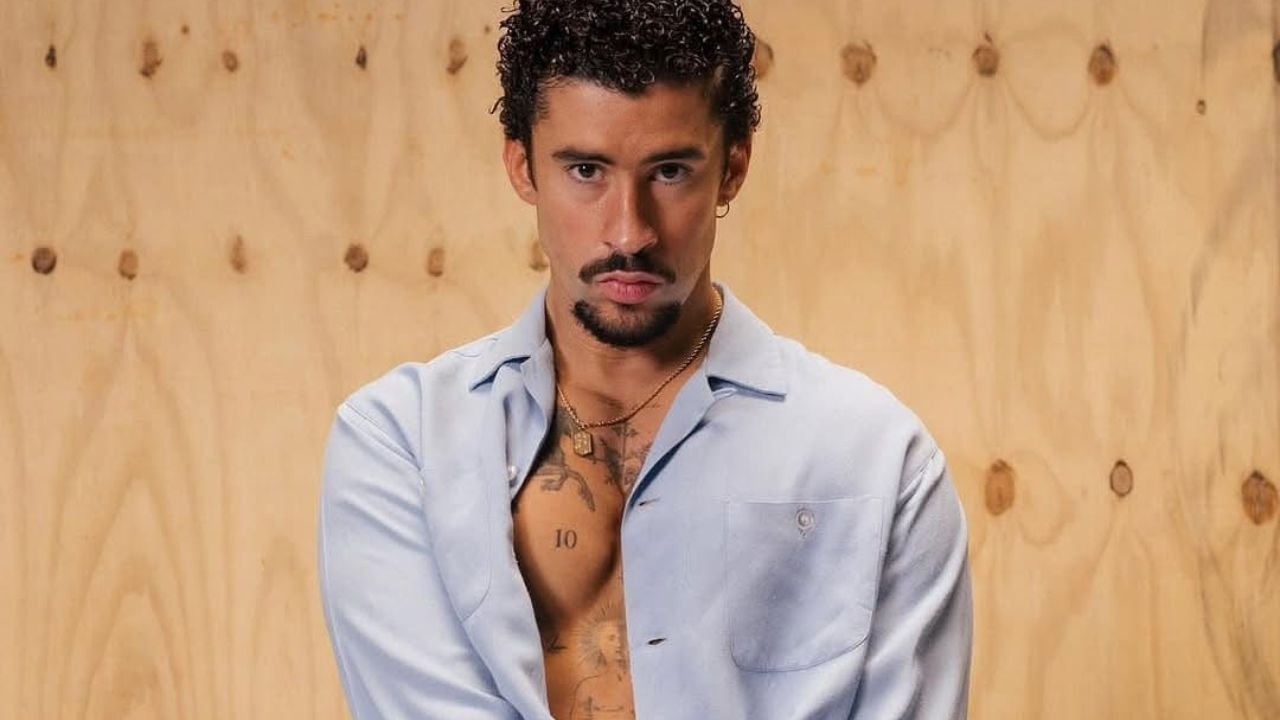
The Global Story: Bad Bunny Is Still King

Globally, Bad Bunny reclaimed the top artist title with more than 19.8 billion streams. Lady Gaga and Bruno Mars topped the global song list with Die With A Smile. And, once again, Rebecca Yarros took out the top global audiobook spot with Fourth Wing.

And remember, all of this is just the surface. The real fun begins once you open your Wrapped feed in the Spotify app. You can speed it up, slow it down and replay the moments you loved or the ones you wish the algorithm would forget. Either way, it is your year in audio and Spotify has captured every banger, breakdown and late night relisten.

Wrapped 2025 is here. Good luck out there.

Spotify Wrapped 2025 Bad Bunny

The post In News That Will Surprise Exactly No One Taylor Swift Has Topped Spotify Wrapped Once Again first appeared on Women Love Tech.
Gold Standard: How the Oura Ring 4 Became My Health Guardian

Gold Standard: How the Oura Ring 4 Became My Health Guardian

I still remember the first time I encountered the Oura Ring. It was the early days of wearable tech, and at Women Love Tech, we ran a story about this incredible innovation when it first launched. It felt distinct from the noisy clutter of the Silicon Valley rush; it was quiet, purposeful, and, like so many enduring innovations, think Nokia, it hailed from Finland in 2013.

Back then, a friend of mine managed to get one early in the piece. It was a stark, black band and totally unique but also technological and utilitarian. It has been widely copied since then, but Oura will never lose its first to market status, and from my experience it’s still setting a blueprint that others are trying to trace.

Today, you can find Oura smart rings in a range of colours and sheens from rose gold to black and evencool ceramic colours, from “Petal”, a soft shade of pink, and even a baby or midnight blue. But I love the shiny Gold finish of the Gold Oura 4. For me, this is matches the rest of my jewellery. But if you are a silver girl, there’s plenty of choice for you too.

Unlike the plasticised aesthetics of most fitness trackers, the Oura Ring 4 disappears into my style rather than dominating it. Some people enjoy their symbol of health tracking to stand out, but I prefer mine to coexist seamlessly. That said, I also love the idea of being able to wear different colours to match an outfit, or even pair with my mood.

You see these rings everywhere now. It is a growing sign of how we have collectively embraced the ability of tech to keep us on track. I sometimes laugh when I spot actors in period films who refuse to abandon their rings, even if it makes the scene less realistic. It speaks to a modern addiction to data, but also to how comfortable the hardware has become.

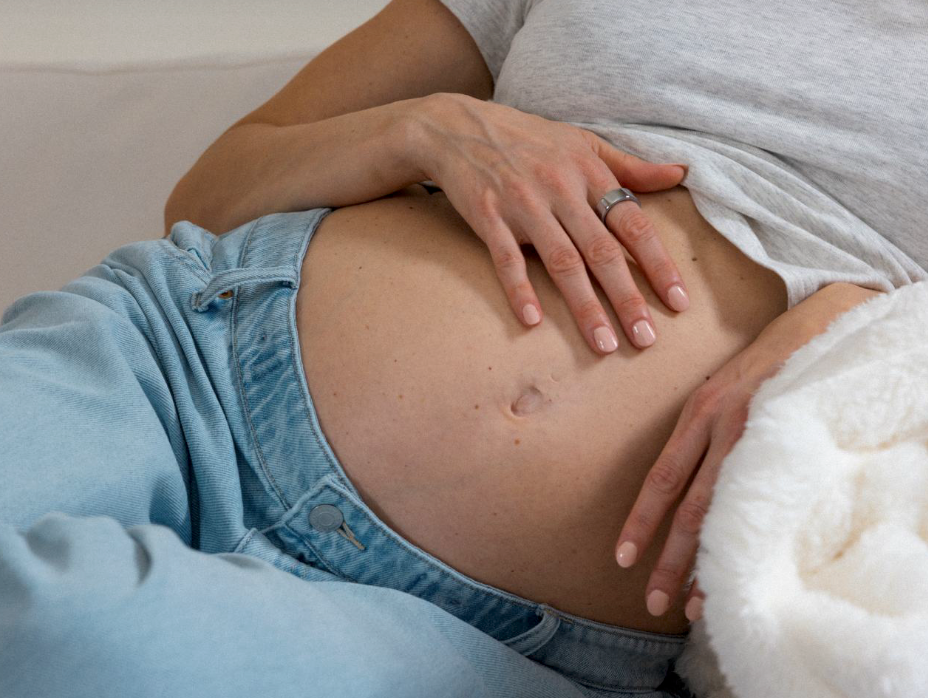
The new Oura Ring 4 has refined this comfort significantly. It is Oura’s first fully titanium ring, featuring a titanium interior that replaces the epoxy of previous generations. The difference on the finger is palpable. While the previous Gen 3 had raised interior domes for sensors (about 1.3mm high), the new sensors are recessed and barely noticeable at just 0.3mm. It is a sleek, non-allergenic shell that feels less like a gadget and more like a wedding band.

Today, just like every day, my morning begins with a ritual: I check my sleep pattern. If it’s good, I’m happy. It sets the tone for my productivity.

Last night, for instance, I recorded a 6-hour and 50-minute sleep. My resting heart rate was 49 beats per minute, resulting in a Sleep Score of 82—a “Good” rating written in reassuring green text. Happy days. I know my typical sleep score hovers around 78, so this was a win.

But the data goes deeper than just sleep duration. My cumulative stress at the moment is categorized as “Thriving,” written in blue, and my Heart Health is “Looking Good” in green. Perhaps most gratifyingly, the app registers my cardiovascular age as two years lower than my actual age.

The accuracy of this data is powered by Oura’s new “Smart Sensing” platform. Unlike older technology that used a fixed configuration, this new system dynamically selects the optimal signal path to get the clearest reading from your finger. Whether I am typing, running, or sleeping, the ring is hunting for the best signal, utilizing red and infrared LEDs for blood oxygen and green LEDs for heart rate.

My go-to Oura app offers a bountiful amount of reading material, providing context to the raw numbers. This morning, it told me: “Thriving stress management with steady sleep and heart health. Your stress management continues to thrive over the past 90 days, reflecting solid recovery habits. While your sleep health and heart health remain looking good, maintaining routines that support rest and cardiovascular care can enhance overall balance.”

It then offered me the chance to “dive in with an advisor.” This is where the device transitions from a tracker to a coach. I get activity goals, and I can delve into granular metrics like heart rate variability, respiratory rate, and body temperature variations.

For women specifically, this temperature tracking is a game-changer. The digital sensor measures skin temperature variations, making it particularly good for women wanting to keep track of their cycle. It offers a window into the body’s hormonal shifts that few other devices can match without being invasive.

Oura rings
For more on the benefits of Oura Rings for Women, read our WomenLove.Health story here: https://womenlove.health/oura-and-maven-tech-is-transforming-womens-health/

From a practical standpoint, the anxiety of a dead battery has also been alleviated. The new ring boasts up to 8 days of battery life , meaning I can travel for a week without frantically searching for the charger—though the new grey, square charger is stylish enough to leave on the bedside table.

In short, it is utterly amazing. I feel in control of my health like never before. In a world of noise and distraction, the Oura Ring 4 offers a quiet, gold-plated truth about how I am really doing. It’s not just a gadget; it’s a game-changer for your health.

Is The Gold Oura Ring 4 Actually Gold?

No, the Oura Ring 4 is not made from actual gold but is a titanium ring with a gold coloured Physicl Vapor Deposition. This is a durable, non-precious metal coating applied to the titanium exterior to give it a gold appearance. 

  • Material: The ring itself is made of titanium, both inside and out, for durability and biocompatibility.
  • Finish: The gold color is achieved through a PVD (Physical Vapor Deposition) process, which applies a thin, durable coating to the titanium.
  • Other finishes: The Black and Stealth versions use a Diamond-like Carbon (DLC) coating, while Silver and Rose Gold also use PVD.
  • Price: The price difference between the gold and silver versions is due to the added manufacturing process of the PVD coating, not the cost of precious metal. 

Price starts at $349. Available to order at https://ouraring.com.

The post Gold Standard: How the Oura Ring 4 Became My Health Guardian first appeared on Women Love Tech.
Google’s Year in Search 2025: What Australia Obsessed Over This Year

Google’s Year in Search 2025: What Australia Obsessed Over This Year

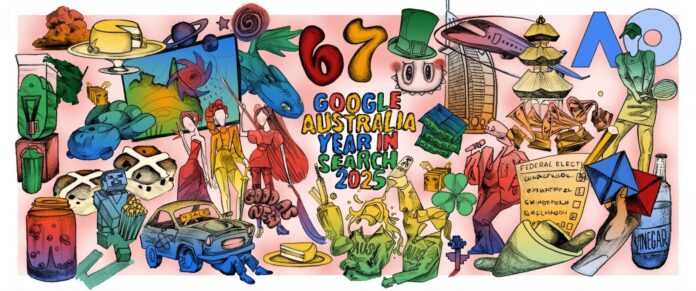
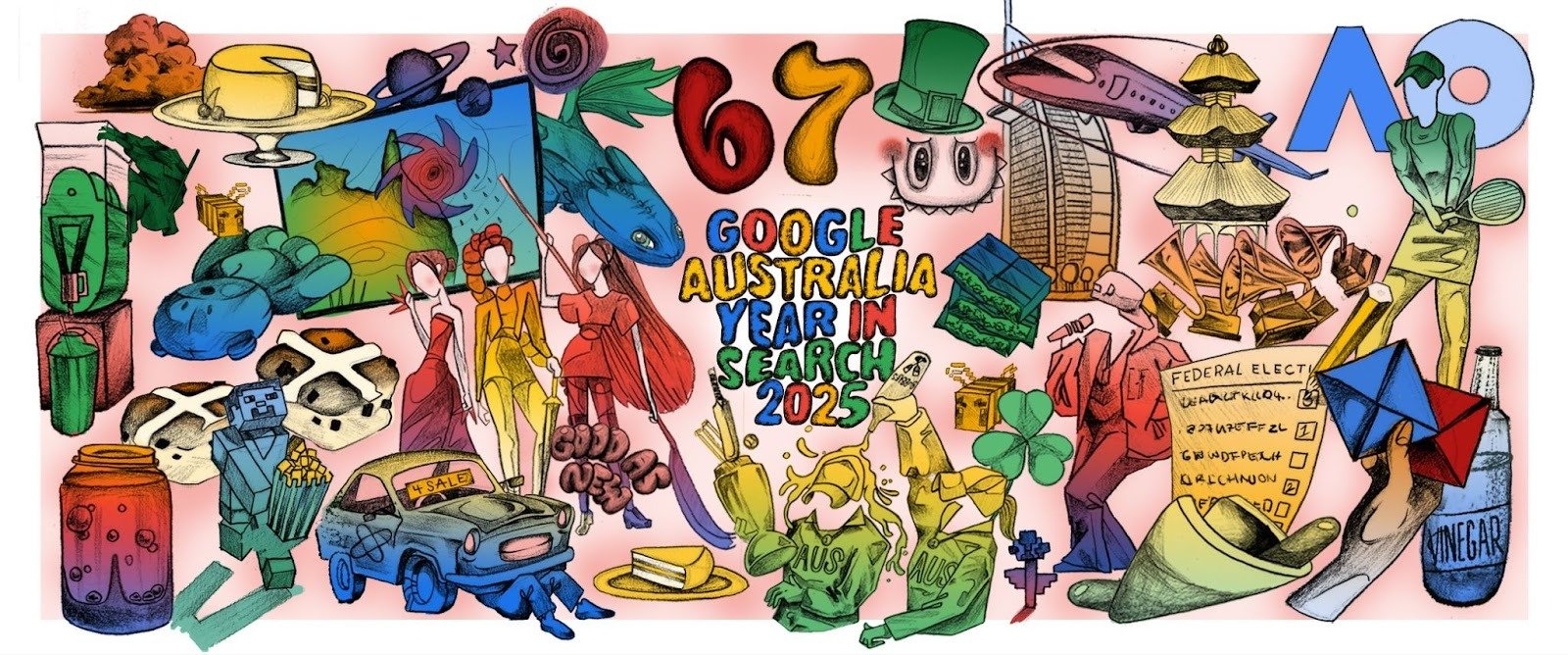
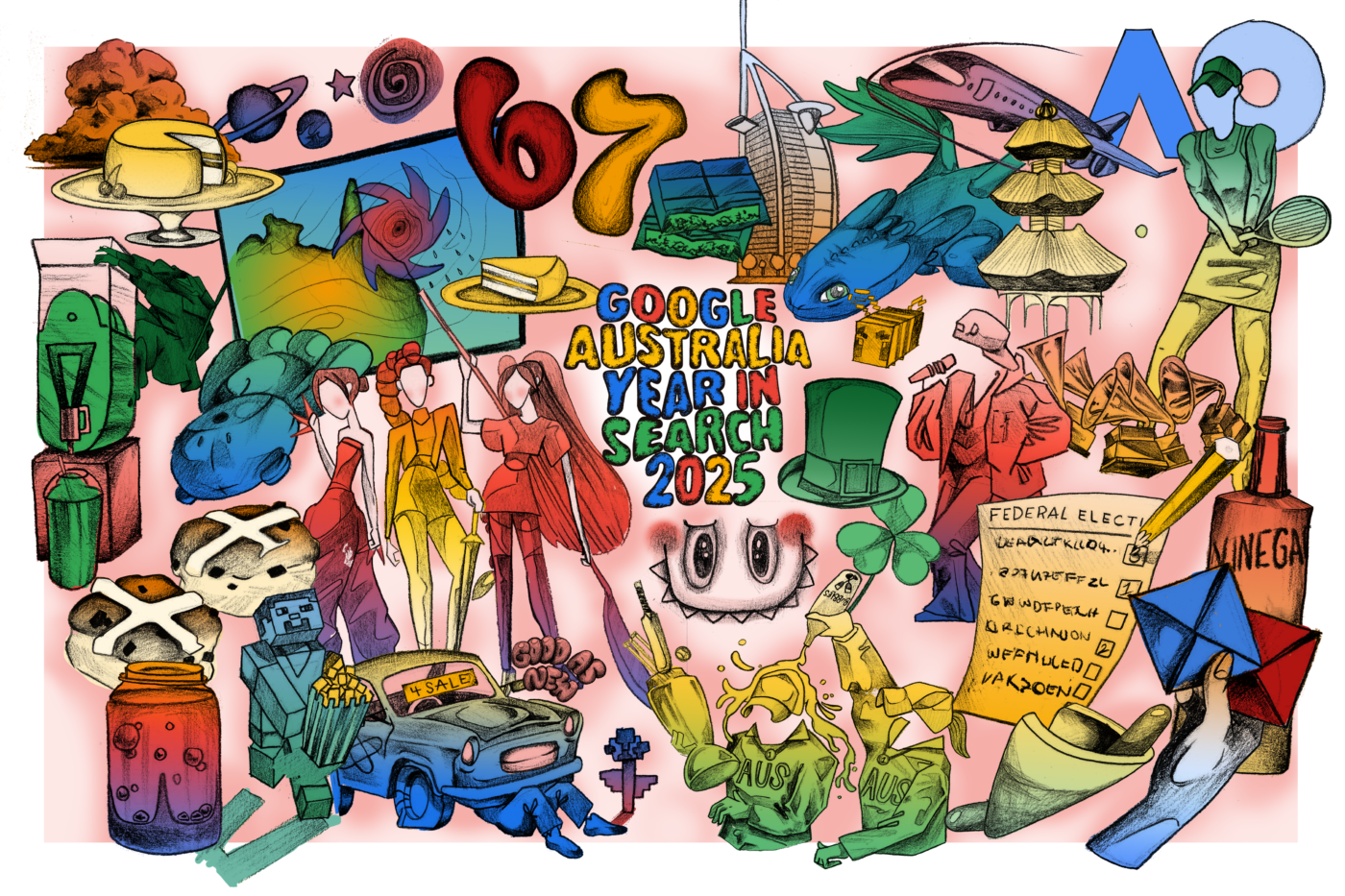
Google Australia has dropped its annual Year in Search list — and it’s a snapshot of what truly captured our imaginations in 2025. Think big moments, bold personalities, viral trends… and yes, plenty of recipes.

Spot the trend: Melbourne artist George Rose has created a vibrant artwork featuring 23 of the year’s top searches — a colourful collage of the topics Aussies couldn’t stop Googling.

. Spot the trend: Melbourne artist George Rose

What Australia Searched For in 2025

Staying Informed
From Cyclone Alfred to the Australian Federal Election, Aussies hit search to stay across the headlines. Political heavyweights like Peter Dutton and Sussan Ley topped the charts, alongside global names like Charlie Kirk and Pope Leo.

A Nation of Sports Fans — Especially for Women’s Sport
Sport ruled once again, with surges in searches for the Women’s Cricket World Cup, India vs England, and tennis star Madison Keys. We turned to Google for scores, highlights, and the standout women reshaping sport.

Pop Culture, Please
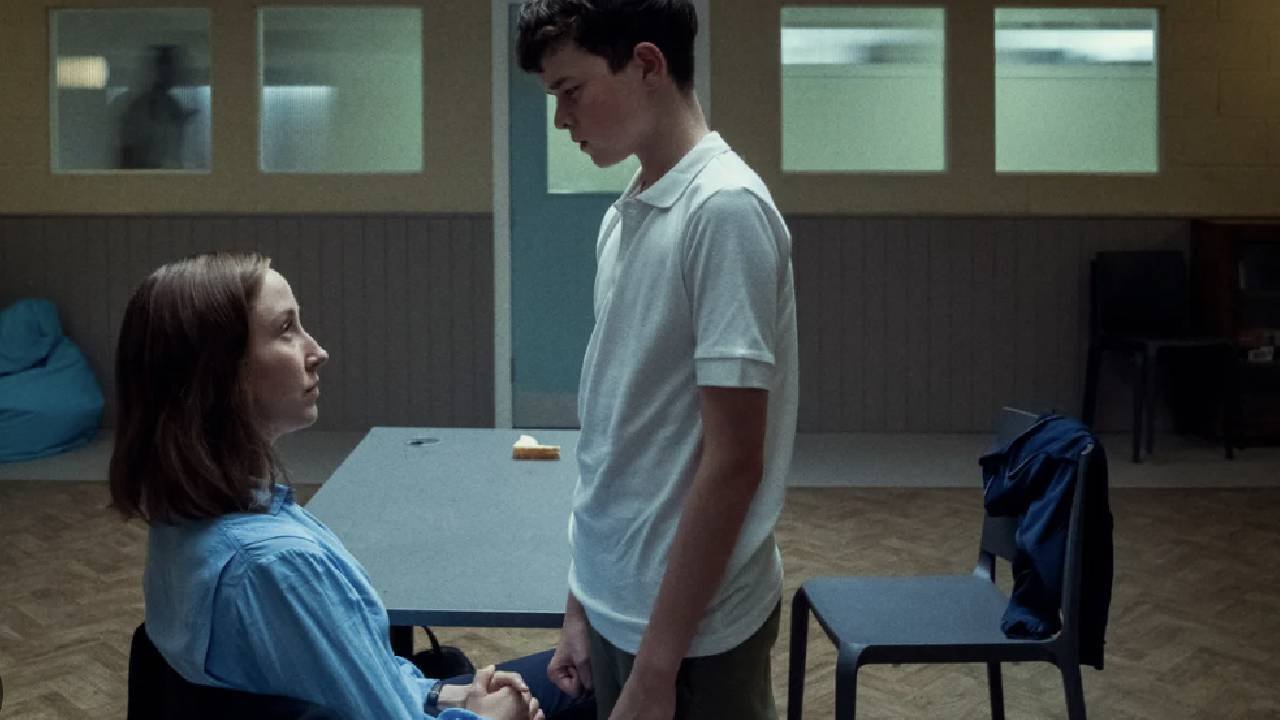
Whether it was viral icons like Labubu, talk-show favourite Jimmy Kimmel, music from Kendrick Lamar, or binge-worthy shows such as Adolescence and KPop Demon Hunters, entertainment kept us glued to our screens — and our keyboards.

Adolescence
TV show Adolescence made Google’s Year in Search 2025

Our Comfort-Food Era
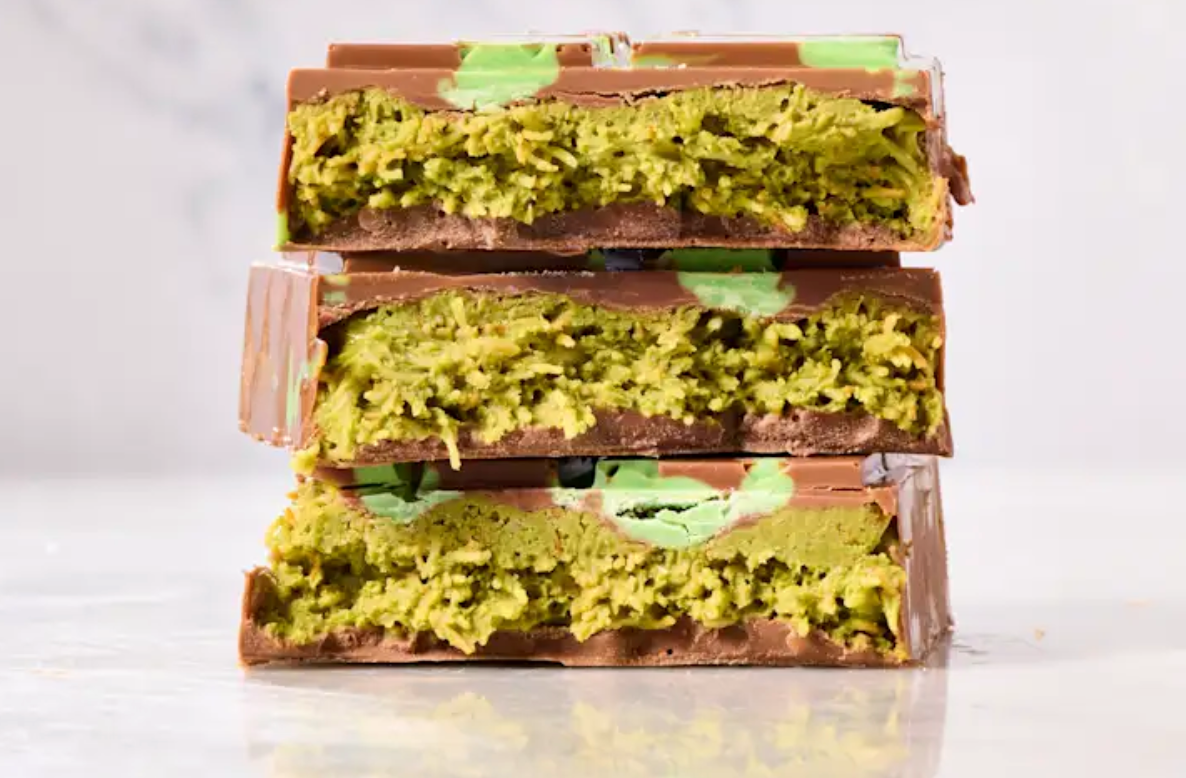
Recipes were back in a big way. Aussies searched for everything from nostalgic hot cross buns to the viral Dubai chocolate recipe, along with trending health hacks like the pink salt trick and Japanese mounjaro.

DIY Nation
We got hands-on this year — diving into car tuning, home improvement, making hair extensions, and even whipping up homemade lava lamps. Creativity was in our DNA.

Craving Clarity
We spent 2025 decoding internet culture, looking up the meanings behind “discog”, “claves”, and TikTok’s cryptic “what is 6 7”.

Dubai Chocolate Cake. Credit: Photo: Alex Lepe; Food Styling: Rachel Perlmutter
Dubai Chocolate Cake. Credit: Photo: Alex Lepe; Food Styling: Rachel Perlmutter. Check out the recipe from The Kitchen here.

The post Google’s Year in Search 2025: What Australia Obsessed Over This Year first appeared on Women Love Tech.

Tinder Year in Swipe 2025: What This Year’s Data Says About Next Year’s Dates

Tinder Year in Swipe 2025: What This Year’s Data Says About Next Year’s Dates

If your love life in 2025 felt a little calmer, clearer and dare we say, cuter? You weren’t imagining it. Tinder Year in Swipe 2025 has dropped, and the vibes are officially in: hope is hot, honesty is hotter and bare-minimum behaviour has been quietly unmatched.

Consider this the ultimate recap of what singles actually cared about this year – plus a little sneak peek into the spicy, emotionally fluent future of dating in 2026.

2025: The Year We Stopped Guessing and Started Getting Real

The energy of the year? No more decoding. No more “wyd?” at 11pm. No more two-week message droughts followed by a random meme. Singles collectively hit the clarity button and leaned all the way in.

Globally, the most common names on Tinder were Alex and Julia (so statistically speaking, you have probably matched one). Travel reigned as the top interest worldwide, proving that wanderlust still hits harder than a 3am crush.

But Aussies had our own thing going on.

Foodie took the crown for the top local interest, which makes sense – why date someone who won’t split fries? Travel followed, because we all love a strategic escape, and tattoos slid in at number three, confirming that ink is still very much in its romantic era. The Gold Coast was our favourite domestic city to Passport to, and LA topped the list internationally, because who among us hasn’t briefly considered falling in love on Santa Monica Pier?

Spotify-wise, Australia was deep in its Drake era, with NOKIA becoming the unofficial soundtrack of our situationships.

The Viral Dating Energy of 2025

This was the year “boyfriends are embarrassing” became both a meme and a mood. Singles weren’t afraid to cringe, because they weren’t trying to impress the internet – they were trying to impress themselves.

Solo soft launches thrived. Ghosting finally found itself on the decline. Emotional steadiness became the new sexy.

Tinder CMO Melissa Hobley summed it up perfectly: dating should add a spark, not stress. And in 2025, singles responded by showing up as themselves – less curated, more confident and ready to say the quiet part out loud.

What’s Coming in 2026? Four Big Shifts

Swipe forward and buckle up. Tinder says the vibes are getting even clearer, bolder and more connected next year.

Clear-Coding
Intentions, with subtitles. Singles are done guessing. If someone wants a proper date, they are saying it. If they are situationship-free only, they are putting it in their bio. Emotional honesty is the new “hey.” And with 76 percent of singles open to using AI for date ideas or photo selection, there is no shame in optimising the vibes.

Hot Take Dating
Being opinionated is officially attractive. Having values is even more attractive. Daters want someone who stands for something – kindness, equality, empathy. The number one ick? Being rude to staff. Fair. Very fair.

Friendfluence
Your group chat will remain the most powerful force in your love life. From first date vetting to full editorial review of your profile, friend approval is the new slow burn. Double Dates surged, especially among under-30s, because everything is more fun with a hype team.

Emotional Vibe Coding
Soft hearts, clear boundaries and a healthy respect for feelings are officially trending. Singles want honesty, empathy and conversation. Low-key lovers – calm, consistent, drama-free – are becoming the new fantasy. And yes, it is still okay to crush for the plot.

The Emojis That Defined a Dating Year

If dating in 2025 had a visual shorthand, these symbols were the ones doing the heavy lifting. They captured the moods, moments and quiet soft-launch energy of the year better than words ever could

  • The Flirt Mark
  • The Soft Life Candle
  • The Emotional Wisdom Feather
  • Angel Energy
  • No-Labels Love

If emojis were love languages, these five would be it.

What Australia Really Liked in 2025

When you zoom in on Aussie dating habits, a few clear favourites rise to the top. These were the interests, trends and cultural touchpoints that shaped how we matched, chatted and connected.

  • Top interests: foodie, travel, tattoos, gym and camping.
  • Top TV flex: MAFS, naturally.
  • Top celebs: Taylor, Fred Again, Drake and Margot Robbie.
  • Top TikTok trends: Hot Girl Walks, NPC energy and Vibe Checks.
  • Top love styles: time together, touch and thoughtful gestures.

Basically, Australians dated with snacks, opinions, soft hearts and a playlist heavy on Drake. Iconic behaviour.

So what’s the vibe heading into 2026?

Clearer. Softer. More emotionally fluent. Less “wyd?” and more “want to grab a coffee and see if we vibe?” Less performing, more being. Less mixed messages, more mixed playlists.

In short: hope is hot. And next year, it is only getting hotter.

The post Tinder Year in Swipe 2025: What This Year’s Data Says About Next Year’s Dates first appeared on Women Love Tech.
Skip the Serum … This is How We are Using Tech to Banish Under Eye Bags This Silly Season

Skip the Serum … This is How We are Using Tech to Banish Under Eye Bags This Silly Season

There’s something about the end-of-year festivities that hits harder than the crash of a failed New Year’s Resolution.

It starts with the late nights, the “just one more drink” holiday catch-ups, the frantic present wrapping, the questionable catering commitments (“oh absolutely, I can make 52 canapes from scratch”), and of course… the screen time. Endless spreadsheets, back-to-back messages and trying to RSVP to six events at once have our eyes carrying more baggage than a budget airline.

Which is exactly why the Renpho Eyeris Caligo Eye & Temple Massager might just be this season’s most essential self-care gadget. Priced at $279, this smart headset transforms your eye region into a mini day spa. Without needing to leave your couch, cancel plans or pretend to be “off-grid till mid-Jan”.

Instead of leaning into intense festive chaos, it lets you gently lean back. Literally.

The brilliance starts with mist hydration. Two modes — continuous and interval — gently coat your eyelids with nano-level hydration, targeting dryness caused by screens, late nights, air conditioning and… emotional exhaustion. Each use holds up to 10ml of water, meaning while you’re finishing that urgent report at 11pm, your eyes get a moisture surge more effective than sticking your face in front of a humidifier. (And infinitely more chic).

Then there’s the temple massage, which is as luxurious as it sounds. The cushions slide forwards and backwards (up to 20mm) to target pressure points around your temples. Perfect when you’re dealing with “My flight’s been cancelled” updates or relatives asking if you’ve ‘settled down yet’. With three pressure levels and two massage modes (including Tension Relief and Regeneration), it lets you actively un-send stress from your face.

The best part is that it remembers your preferred settings. Because at this stage of the year, the only thing you should have to remember is where the good Champagne is hidden.

To complete the zen trifecta: sound. The Eyeris Caligo comes with built-in ambient tracks. But, it also pairs wirelessly so you can queue up your own playlist. Whether that’s “soothing spa sounds”, “deep focus”, or “nobody talk to me until January”, the headset lets you float off without noise or notifications disrupting your moment. (Unless you want them to… in which case there’s no judgement here.)

Is it comfortable enough to wear while horizontal googling “easy finger food for 20+”? Absolutely.

The Cloud Foam-style cushioning and anti-slip adjustable headband (fits 55–70cm) make it a secure fit even if you’re wearing a messy top knot, contour mask or you’ve just done your fourth TikTok eye lift massage. It’s lightweight, folds away neatly and runs for more than two hours per charge — ideal for pre-bed rituals or a midday regroup when your inbox feels personally aggressive.

The Renpho Eyeris Caligo Eye & Temple Massager is best used when:

  • You’ve been staring at a spreadsheet so long you’re questioning your career choices.
  • Your group chat just added another Secret Santa.
  • You’ve attended more events than hours of sleep you’ve had.
  • You’re not hungover but your face thinks you might be.

It’s techy without being complicated. Wellness-focused without being woo-woo. And frankly, one of the only gifts you can justify buying for yourself in the name of productivity.

So while everyone’s fighting over last-minute packing cubes and novelty glassware, treat yourself to something that actively helps you survive this season without looking like it broke you.

The Renpho Eyeris Caligo Eye & Temple Massager doesn’t just refresh your eyes — it restores your will to RSVP “yes” again. And at this time of year, that’s priceless.

Now, if only it came with a “what can I wear tonight” function.

The post Skip the Serum … This is How We are Using Tech to Banish Under Eye Bags This Silly Season first appeared on Women Love Tech.