Anuncio
Me encanta Orlando
Inicio Blog Página 5

Cómo digitalizar la operación comercial en América Latina: del Excel al software integral de gestión (y por qué elegir Bitrix24)

fotos libres de uso

En gran parte de América Latina, la gestión empresarial sigue teniendo un protagonista silencioso pero peligroso: la hoja de cálculo. Para muchas pymes y empresas en crecimiento, el día a…

La entrada Cómo digitalizar la operación comercial en América Latina: del Excel al software integral de gestión (y por qué elegir Bitrix24) se publicó primero en Emprendices.

Why The TikTok Awards 2025 Ate (And Left No Crumbs)

Why The TikTok Awards 2025 Ate (And Left No Crumbs)

Last night, the TikTok Awards 2025 hit harder than a perfectly timed green screen duet. Picture it: 4,000 VIPs, creators, celebs and certified “I’ll just post one video” success stories, all squeezed into the newly minted TikTok Entertainment Centre (bestie, that’s the ICC but make it viral). Hosted by Sophie Monk – who’s basically the IRL embodiment of “tell me you’re iconic without telling me you’re iconic” – the night exploded with 14 awards, endless emotional speeches, and at least 87 influencer outfit changes.

And honestly? The energy was giving … You know that moment when your draft finally goes viral? That. For three hours straight.

The winners were winning (literally)

Creator of the Year crown landed on Ilai Matangi (@havea_676), whose 2.7M followers got him home, among an impressive a lineup that included fellow creators Latisha Clark, Tammy Hembrow, Jiny Maeng, and Ben Stubbs,

When his name was read, you could feel the “I knew him before he blew up” energy ripple across the room.

“I’m so grateful for TikTok – it lets me showcase my family, comedy, and culture. I started making videos with my kids for fun and I never imagined it would turn into such a fulfilling career. To be here, winning this award voted by my TikTok fans is truly humbling. This recognition isn’t just for me, it’s for my family, and
the community that’s supported me from day one,” said Ilai – Gold Coast-based family man, proud Tongan, and last year’s Comedy Creator of the Year,

Video of the Year went to Leah Halton, with THAT upside-down behind-the-scenes moment that hit 150 million views. If you haven’t tried to recreate it yet, are you even on the app?

Food Creator of the Year went to Andy Hearnden (@andy_cooks) – the man who can literally make a toasted sandwich feel gourmet with six million fans. Meanwhile, Ellen Malone (@askellenbeauty) took home Beauty & Fashion Creator of the Year for being everybody’s “Should I buy this?” voice of reason (or chaos).

And look, if you’ve ever yelled, “I saw this on TikTok” while holding a dumbbell incorrectly, you owe Sport & Fitness Creator of the Year Hannah Pearson (@hannahhpearson) a thanks.

Comedy Creator of the Year? Liam Dowling and Ben Christopher aka @nansfavourites. If your nan’s never accidentally walked into your thirst trap TikTok, congratulations. You’re lying.

Anthony Randello-Jahn (@thedonutdaddy) claimed High Quality Content Creator and honestly? His lighting setup probably costs more than my rent.

And because we live in the era of soft launches and strong coffee orders, TikTok Business of the Year went to All For Mimi (@allformimi) via Sopha Dopha – proving that if your brand doesn’t have a reel, does it even exist?

Kiwi creators had their moment too, with Louis Davis named New Zealand Creator of the Year, Theo Shakes winning the inaugural Entertainment Creator of the Year award, and Lance Savali crowned Music Artist of the Year. Learn on TikTok winner was Sydney-based women’s health physiotherapist Heidi Barlow.

The TikTok Awards 2025
Creator of the Year crown landed on Ilai Matangi (@havea_676)

When Jonathan Bailey walked in, time stopped

When Jonathan Bailey – Hollywood star of Wicked: For Good, People’s Sexiest Man Alive and your mother’s new crush – walked on stage to present the TikTok for Good Award to conservationist Josh Neille (@josh_neille), the screams could be heard to LA. Seriously. Someone’s ring light cracked.

“Standing here tonight, I’m reminded that you don’t need magic to make a real difference. TikTok is known for creativity, humour, and entertainment but it’s also become a space where people take action, raise their voices, and lift up their communities. One video, one message, one spark of humanity can ripple
outward and change lives,” said Jonathan Bailey on stage.

Things that went straight to the ‘add to favourites’ folder

Aussie comedian Blake Pavey had everybody laughing through slight existential crisis. Elite.

Keli Holiday performed Dancing2 before Creator of the Year was announced, and it felt like dancing alone in your room but with 4,000 people, strobe lights, and a smoke machine.

Viral star Jude York performed Slipping Through My Fingers with his mother. With 47 million views behind him. Tears were shed. Mascara was tested.

Guestlist? Sorry, are we at the Met Gala?

Sophie Monk. Cody Simpson. Indy Clinton. Kat & Deja Clark. Courtney Act. Dylan Alcott. Martha Kalifatidis. Osher Gunsberg. Nagi Maehashi from RecipeTin Eats. The cast of Love Island. Team MAFS 2025. The Impractical Jokers,The Wiggles. And Abbie Chatfield – who joined her buzzy pop artist partner Keli Holiday, and country singer Max Jackson on stage with a set of bongos. Even Dr Karl was there proving that science slaps.

Basically, if you’ve seen them on TikTok, TV, or in a meme, they were there.

The TikTok Awards 2025
Keli Holiday performed Dancing2 before Creator of the Year was announced, and it felt like dancing alone in your room but with 4,000 people, strobe lights, and a smoke machine.

Where to catch the FOMO replay

@tiktok_australia & Stan: all day 27th November (aka today – book in your scroll time)

Replay: On 9Go! from 7th December. Perfect viewing while wrapping presents you forgot to measure the paper for.

Final thoughts before you go film a reaction video

Now in its fifth year (which in TikTok time is basically three generations of trends), the awards honour the creators who didn’t just hop on trends – they made them. From education to entertainment, comedy to cooking, the platform has literally rewritten what it means to be culturally relevant (important note: be chaotic, relatable and have a ring light).

This year was the biggest celebration of creators ever hosted in Australia. In fact, with more that 4000 guests filling the TikTok Entertainment
Centre (with millions more tuning in live on TikTok and Stan) + Zero bad angles. And Countless phones at 0% by the end, with with the biggest TikTok Awards event in the world.

The takeaway is that creators aren’t just posting. They’re shaping culture, careers, conversations… and occasionally convincing us that oat milk improves your personality.

And if you’re sitting there thinking, “Maybe I could go viral…” friend, this is your sign. Start now. Worst case, you delete it. Best case? You’re on stage with Sophie Monk this time next year.

No pressure, but like… pressure.

Mic drop. Ring light off. See you on the FYP.

The post Why The TikTok Awards 2025 Ate (And Left No Crumbs) first appeared on Women Love Tech.

I’m Dreame…ing of a (Spotless) White Christmas

I’m Dreame…ing of a (Spotless) White Christmas

Christmas is almost here, and while visions of sugarplums dance in our heads, for me, it’s actually the sight of spotless floors that will leave me feeling merry. Because, between glittering tinsel, spilled cocoa, and the Santa Suits shedding like it’s an Olympic sport, December is messy. Fortunately, the Dreame Z30 Station Stick Vacuum and Dock, my new festive hero, is ready to sleigh the dirt that threatens to ruin my holiday sparkle.

Sleek, futuristic, and downright impressive, this high-tech cleaning companion (which recently debuted at a multi-category launch event in Sydney that showcased Dreame’s extensive 2025 product lineup) makes your floors twinkle almost as much as your Christmas lights. The 310AW suction power means it doesn’t just push dust around – it obliterates it. Carpets, hardwood, tiles, rugs, or those corners you usually ignore (because, let’s be real, no one enjoys crawling under the couch), the Z30 tackles it all with gusto.

One of my favourite features has to be the Enhanced Blue Light Dust Detection. I never realised how much invisible dust lurks on my floors until this vacuum lit it up like a holiday spotlight. Suddenly, I’m the Grinch, but instead of stealing Christmas, I’m hunting every stray crumb and pet hair in sight. And speaking of pets, the built-in pet brush head is a revelation. Even after my dog’s enthusiastic attempts to decorate my carpet with his fur, the Z30 picks up every last strand with ease.

But this vacuum isn’t just brawn – it’s brains, too. The Auto Mode adjusts suction depending on the dirt detected, so it’s not wasting energy where it doesn’t need to. I watched it glide across my living room, detecting dust bunnies and scaling up its power just where it counted. It’s basically like having Rudolph guiding your cleaning with a precision red nose.

And then there’s the Dust-Removal Hub. Oh, the Hub. This is where magic meets convenience. You press a button, and the Z30 empties its 0.6L dust cup into a 3L bag, storing up to 100 days’ worth of debris. It’s the closest thing to a self-cleaning vacuum I’ve ever seen, which, frankly, makes me wonder if Santa himself will be adding this to my stocking. And with 99.9% antibacterial efficacy, it keeps the dust bag as hygienic as my freshly polished tree ornaments.

Multi-surface cleaning? Sorted. The Omni-Brush cleverly combines a soft roller with a multi-surface brush, gliding from tiles to rugs without skipping a beat. The anti-tangle design keeps pet hair from choking the brush, while the adjustable inlet lets the vacuum handle larger particles without clogging. Even the edges are immaculate, thanks to Dreame’s Clean-to-Edge™ technology. Your floorboards and corners will be holiday-ready without you having to resort to awkward contortions.

If versatility is your jam, the Z30 delivers. From the Motorized Mini-Brush for sofas and beds to the Soft Dusting Brush for shelves, the vacuum can reach every nook and cranny. A Flexible Adapter folds the tube, letting you extend your reach without becoming a human pretzel. And when the day’s cleaning marathon is over, everything has a tidy, accessible storage spot – because even the most festive homes benefit from a bit of organisation.

Battery life is also extremely generous. In Eco Mode, you get up to 90 minutes of runtime, enough to cover about 220m². That’s essentially a full sweep of my house, including the hallway, living area, and kitchen, without a single charge. If your house is anything like mine, that’s basically Christmas miracle territory.

Finally, let’s talk clean air. With 99.99% HEPA H14 filtration, the Z30 traps dust, pollen, and even viruses as small as 0.1µm, ensuring your home stays as fresh as pine-scented ornaments. In a season full of sniffles, that’s a gift to yourself – and your guests.

In short, the Dreame Z30 Station Stick Vacuum and Dock has transformed my pre-Christmas chaos into a sparkling spectacle. It’s powerful, clever, and effortlessly versatile, with enough bells and whistles to make anyone feel like they’re unwrapping a gift each time they press “start.” If your dream this season is a home that shines brighter than your fairy lights, this vacuum just might be your Santa-approved solution.

So, as I sip my mulled wine and admire my immaculate floors, I can finally say I’m not just dreaming of a white Christmas – I’m living the Dreame…

The post I’m Dreame…ing of a (Spotless) White Christmas first appeared on Women Love Tech.

3 DoorDash Hacks We Discovered This Week

3 DoorDash Hacks We Discovered This Week

If you thought DoorDash was just the app you panic-tap when you realise there is no dinner plan and you are already in pyjamas, think again. Widely recognised as one of the world’s leading local commerce platforms, the tech-powered service has quietly become the Swiss Army knife of dining convenience. From bulk-bargain shopping to Pad Thai delivered in record time, it is reshaping the way Aussies eat, shop and save. And this week, we uncovered three seriously game changing hacks that take your DoorDash experience from handy to how did I ever live without this?

1. Dinner Out That Pays for Dinner In

Starting 20 November, DoorDash has officially launched Reservations in Melbourne and Sydney on iOS, marking its first local rollout since acquiring hospitality platform SevenRooms. Meaning you can now use the same app you rely on for Friday night pad see ew to lock in a table at some of the country’s most coveted dining spots.

Think Bar Julius, Di Stassio Carlton, Embla, Harriot and Lottie. Even if they are fully booked, DashPass users unlock access to exclusive tables at peak times. And the perks do not end at the booking. Each reservation earns you credits towards future DoorDash orders, including food deliveries and groceries. So your swanky dinner out could subsidise your Sunday night stir fry.

The how-to is deliciously seamless. Open the app, tap the new Reservations icon at the top, search or filter by location, cuisine, date and time, select your restaurant, review availability, and hit Reserve. You will get a confirmation in the app and by email. Then all that is left is to enjoy your experience and collect your credits. Whether you are celebrating, last minute scrambling or simply hate phone calls, this is about to become your new favourite power move.

As DoorDash Vice President APAC Simon Rossi said, the launch represents an evolution in how customers connect with restaurants, making it easier than ever to enjoy unforgettable dining experiences and helping venues foster lasting guest relationships. It is essentially making going out feel as fuss free as staying in.

2. 60,000 Free Meals Up For Grabs

If you need a reason to stop scrolling your fridge and start scrolling the app, this is it. From Wednesday 26 November to Saturday 29 November 2025, DoorDash is dishing out 60,000 free menu items from 4pm daily. That is 15,000 per day across burgers, burritos, pizzas and full meal bundles.

Wednesday – free burgers
Thursday – free burritos
Friday – free pizzas
Saturday – free meal bundles

We are talking favourites from the likes of Guzman Y Gomez, Betty’s Burgers, Grill’d and more. Just open the app, choose your eligible item and order before the daily allocation disappears faster than a hungry share-house fridge. No minimum spend required, although normal delivery and service fees apply, and it is limited to one redemption per customer per day.

Whether you are knackered from gift shopping, deep in spreadsheet season or simply need a little joy before December lands, this giveaway is the kind of festive fuel we need. In the words of the DoorDash team, it is their way of delivering a bit of extra cheer ahead of the busiest weeks of the year. We say consider it a holiday bonus from your delivery driver.

3. A Supermarket Sweep

Two things every Aussie loves: Aldi’s middle aisle and someone else carrying the bulk items. Enter DoorDash.

Yes. There is now zero excuse for the 9pm dash to the shops in slippers, with DoorDash officially rolling out its grocery service from nearly all Aldi locations nationwide, following the success of its trial in Canberra which saw thousands of orders in week one alone.

And, in case you missed it (and if you’ve ever envied that one mate with a Costco membership), Costco is now also available via DoorDash, no membership required. Same-day delivery is active in Sydney, Melbourne, Brisbane, Perth and Adelaide. Bulk bargains, premium cuts and toilet paper towers? Straight to your doorstep.

The post 3 DoorDash Hacks We Discovered This Week first appeared on Women Love Tech.

2026 Fintech Trends: Women in Finance Discuss Automation, Accounting and AI

2026 Fintech Trends: Women in Finance Discuss Automation, Accounting and AI

We speak with leading women in finance from Prosend to uncover how Ai, automation and tech innovation is impacting the future of accounts payable.

The accounts payable (AP) function as we know it is disappearing. Advanced AI and automation are reshaping what AP teams do, how CFOs view their responsibilities, and where the entire profession is headed.

“In our latest report, Stop the AP Leak, Duplicate Payments, Slow Approvals and What Top CFOs Do Next, we looked beyond the obvious frustrations of manual AP: slow approvals, data errors, inconsistent processes and exposure to fraud and explored what the future looks like,” said Sharon Nouh, CEO & Founder, ProSpend.  “We spoke to several Australian-based finance leaders across industries to uncover just how costly manual AP can be; their insights were accurate and even a little alarming.”

“We also explored how leading organisations are closing the gaps. The message from CFOs across industries was clear: automation is no longer optional for organisations that want to remain competitive. It is now the foundation of a resilient and future-ready finance function.”

2026 Fintech Trends Sharon Nouh
Sharon Nouh, CEO & Founder, ProSpend

Moving away from slow, error-prone habits and bad data management

According to Nouh, traditional accounts payable is slow, error-prone, resource-intensive, and open to fraud. Modern automation eliminates these risks, but recognising the problem is only the first step.

“Manual processes carry too much risk, while automated workflows deliver the accuracy, speed and control finance teams need to stay ahead,” she added.

Emma Fisher, Managing Director of Sydney-based Evolve Consultancy Group, explains that beyond operational headaches, bad invoice data undermines the integrity of the entire financial picture.

2026 Fintech Trends  Emma Fisher
Emma Fisher, Managing Director of Sydney-based Evolve Consultancy Group

 “If invoice data isn’t accurate, the financials built on top of it can’t be trusted. That undermines management’s ability to make confident decisions,” she says.

“Too often, invoices are either pushed straight through without any real scrutiny, or they’re only checked at the point of payment in the bank. What gets missed are the fundamentals — is the value aligned to the budget or the original proposal? Without that check, overpayments and unnecessary costs creep in very easily.

“In my experience, most businesses face recurring data accuracy challenges, which erodes confidence in their reporting and creates hesitation at the executive level. Since invoices are the foundation of financial statements, even small errors compound quickly into bigger problems.”

Bad data leads to real losses, like duplicate or overstated payments, incorrect GST treatment, or posting errors that spark supplier disputes or audit fixes.

Tamanna Relia, Founder of Brisbane-based financial advisory firm Cents & Solutions, emphasises that poor invoice data creates systemic costs.

“It is a costly and systemic issue,” she says. “For companies issuing invoices, mistakes can mean delayed or lost revenue. Lack of internal controls can cause companies to pay the same invoice twice. Manual reconciliations could cause a team to spend more time, higher processing costs, errors in GST reconciliations, and damaged supplier relationships.”

In short, bad invoice data undermines financial reporting and adds risk at every turn. And in an age of advanced AP tools, this problem shouldn’t exist.

2026 Fintech Trends Tamanna Relia
Tamanna Relia, Founder of Brisbane-based financial advisory firm Cents & Solution

Trends and Predictions for Accounts Payable in 2026

If traditional AP is fading and CFOs are steering the change, understanding where it’s headed is essential.

The shift from manual processing to AI-driven automation is already underway, reshaping how finance teams operate day to day.

ProSpend’s report identified six emerging trends that are shaping this new era of accounts payable. These trends signal a fundamental shift in how AP operates, what it delivers and the value it brings to finance.

  • Advanced OCR and AI algorithms now extract invoice data and match POs automatically, with minimal human input. AP teams will step in only when needed, dramatically speeding up processing cycles.
  • Finance leaders are embracing embedded payment capabilities within AP platforms. Instead of separate banking portals, payments are initiated and executed right inside the AP workflow, eliminating errors and delays while ensuring on-time vendor payments.
  • Modern AP systems will provide real-time dashboards and instant analytics from payables data. CFOs will get up-to-the-minute visibility into outflows, approval bottlenecks and budget impacts, enabling proactive decisions.
  • Leading platforms now lock down supplier bank details with multi-step verification and audit trails. Any change to vendor payment info triggers alerts and approvals, ensuring payouts only go to verified accounts.
  • Powered by machine learning, next-gen AP tools analyse patterns to flag risks before they materialise. Systems proactively warn of duplicate billing, suspicious charges or compliance issues, making AP an early warning system rather than just a processor.
  • CFOs are adopting unified platforms that combine expense management, AP automation, purchasing and payments in one system. This consolidation shatters silos and provides instant visibility and control over business spend.

Potential of automation to help scale, forecast and empower other areas of finance

Tamanna Relia advocates for expanding automation beyond accounts payable to other areas of finance, including reconciliations and accounts receivable invoicing, suggesting that the benefits of automation should be applied more broadly across financial operations.

“Nowadays, CFOs are expected to be more than financial controllers,” she says. “Automation of financial procedures is not a distraction from the CFO’s role but rather an enabler of it. When automation is in place, finance teams can spend more time analysing and less time processing which gains credibility as a CFO as they are forward strategists not just traditional accountants.”

“For most SMEs it will be the cost of investing in a payables system and being able to justify the ROI to the board that this initial cost will provide substantial benefits to the organisation that are measurable in cost savings, risk reduction and increased efficiency,” he says.

Kerryn Divall points to scalability as a key consideration for CFOs looking at how their accounts payable or other finance systems might evolve in the future, particularly for organisations facing structural changes.

2026 Fintech Trends Kerryn Divall
Kerryn Divall

“If the structure of an organisation changes, the accounts payable function may not be scalable,” she explains. “In these cases more invoices or activity would mean more resources for data entry. If there was a data capture option with direct entry into the finance system, data entry becomes a review process and a value add instead of a chore.”

One major gain from smoother AP is clarity in forecasts, notes Michelle Kvello, Managing Director and CFO of Sydney-based consulting firm Lantern Partners.

“The big change would be clarity in our forecasts. Missed invoices which then have to be paid quickly, or late invoice submissions which mean unexpected changes to cashflow forecasts, are difficult to manage, particularly in this environment,” she says.

Put simply, streamlining AP is a win for everyone. Suppliers appreciate prompt, predictable payments and can better manage their own cash flow when they can rely on timely remittances.

2026 Fintech Trends  Michelle Kvello
Michelle Kvello, Managing Director and CFO of Sydney-based consulting firm Lantern Partners.

The transformation of accounts payable is already in motion

The gap between those embracing change and those resisting it will only widen. CFOs who make automation a strategic priority and prepare their teams for a data-driven, exception-led future will stay ahead.

Read the full report, Stop the AP Leak, to learn how leading Australian CFOs are implementing automation and what results they are seeing.

About Prosend

ProSpend is Australia’s leading unified business spend management platform, bringing together expense management, AP automation, and virtual cards in one seamless solution. For a decade, we’ve been transforming how Australian businesses manage their spending, serving over 1,000 customers across Australia and New Zealand. By unifying spend management with one platform, we help businesses take control of every dollar spent and give finance teams back time for strategic growth.

About Sharon Nouh

Sharon Nouh has 25+ years’ experience building corporate travel businesses and leading travel technology companies. She developed and launched Australia’s first locally-built expense management tool – expensemanager – the original version of ProSpend.

For the past decade, her vision has been to build a proactive spend platform that will simplify business spend with solutions that help businesses work smarter, not harder.

The post 2026 Fintech Trends: Women in Finance Discuss Automation, Accounting and AI first appeared on Women Love Tech.

An Electric Toothbrush Review Worth Sinking Your Teeth Into

An Electric Toothbrush Review Worth Sinking Your Teeth Into

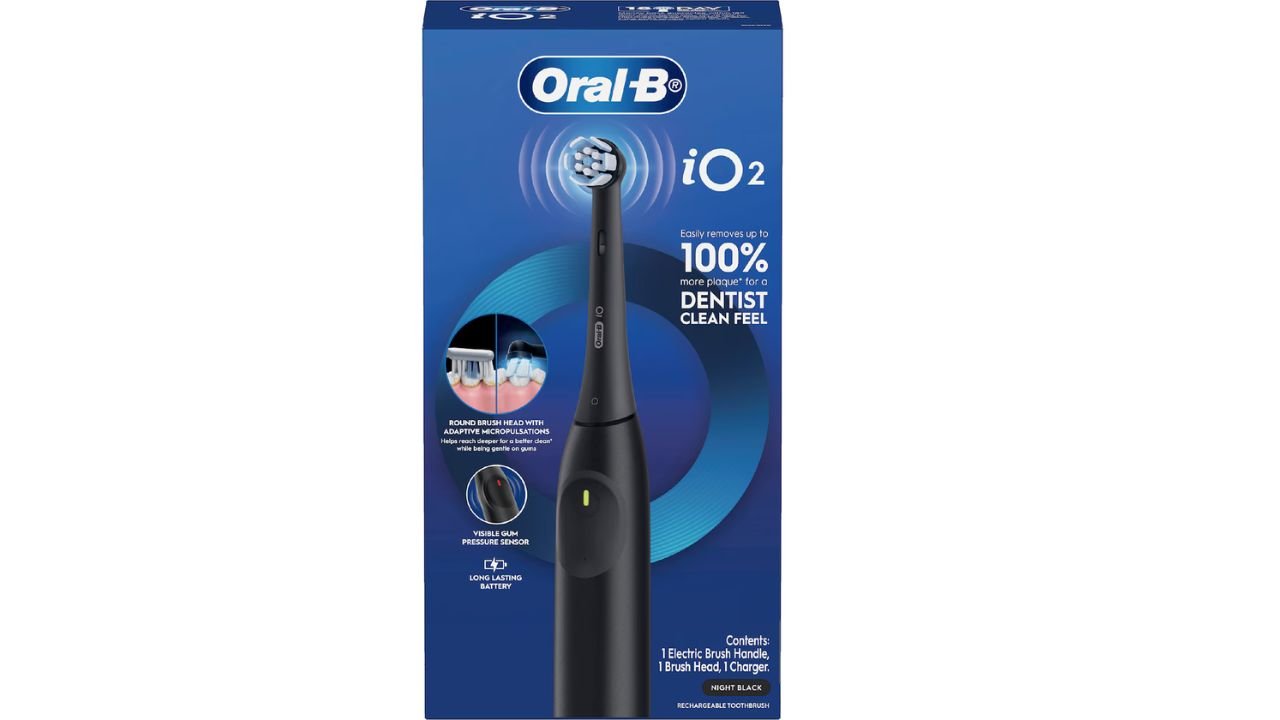
Ready to sink your teeth into something that actually makes brushing fun? Meet the Oral-B iO Series 2 electric toothbrush – a device that doesn’t just clean your teeth – it puts them through a full-on, plaque-busting bootcamp. With a tiny hum and a single button, this little gadget turns your morning routine from “meh” to mouth-party.

With Oral-B’s iconic dentist-inspired round brush head and micropulsating bristles, the iO Series 2 doesn’t just scrub – it twists, turns, and pirouettes around every nook and cranny of your mouth, leaving teeth so sparkling you could practically use them as mirrors. Plaque? Consider it evicted. Oral-B promises up to 100% more plaque removal than a manual brush, and honestly, it’s hard to argue when your teeth feel this fresh.

Overzealous with your brushing? No worries. The automatic gum pressure sensor slows things down and flashes red if you’re going too hard – a gentle nudge that your gums deserve a little TLC. No more scrubbing your smile into submission.

Oral-B io Series 2 Electric Toothbrush

The Oral-B io Series 2 Electric Toothbrush lets you pick your perfect clean with three brushing modes – extra-sensitive, sensitive, and daily clean – so whether you’re in the mood for a gentle wake-up or a full-on plaque-punishing session, there’s a setting for every whim. And the two-minute timer with 30-second alerts keeps you honest, making sure every quadrant of your mouth gets the dentist-recommended attention it deserves.

Long-lasting battery? Check. Sleek design in Black-Onyx, Alabaster White, Scallop Seashell Pink, or Teal Green? Check. Quiet hum that won’t embarrass you during a midnight snack-brush? Check. Switching to electric has never been easier, or more satisfying.

With Oral-B’s round brush heads reaching where manual brushes can’t, the Oral-B io Series 2 Electric Toothbrush makes you wonder how you ever survived with a boring rectangle of bristles. It’s not just a toothbrush – it’s a high-tech smile concierge. Your gums will thank you, your dentist will approve, and honestly, you might just show it off to anyone who dares ask about your morning routine.

The post An Electric Toothbrush Review Worth Sinking Your Teeth Into first appeared on Women Love Tech.

Silent Night, Smoothie Night … A Grinch-Free Guide to the Ninja Stealth IQ Kitchen System

Silent Night, Smoothie Night … A Grinch-Free Guide to the Ninja Stealth IQ Kitchen System

‘Twas the night before Christmas, and all through the kitchen,
Not a blender was whirring, not even a twitchin’.

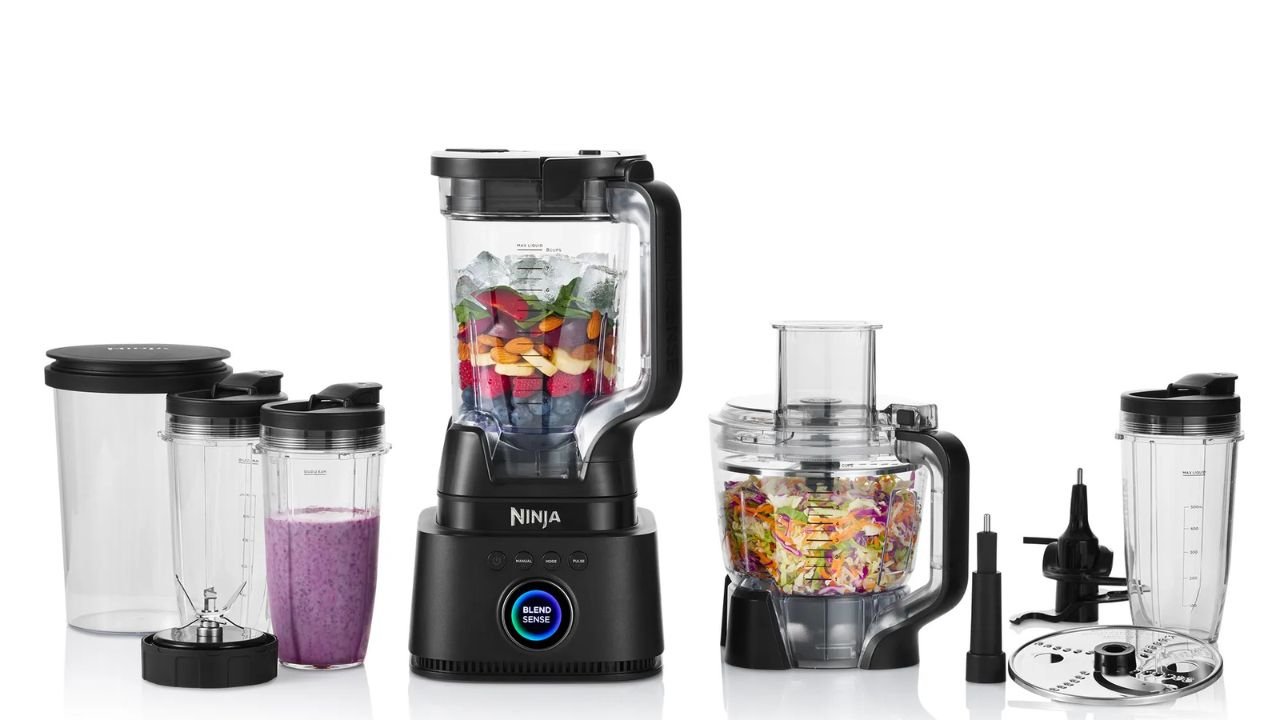
If you’ve ever tiptoed into the kitchen at 6 a.m., only to be greeted by a blender that sounds like a dozen-deer-pileup with Santa and his 12 sidekicks, you’ll know the struggle of making a morning smoothie without waking the whole house. Enter the Ninja Stealth IQ Kitchen System Power Blender + Processor Pro, the ninja of the blending world that’s here to make peace, quiet, and perfectly pulverised ingredients your new best friends.

Down low and quietly crushing it, this next-gen system combines power, precision, and peace. The Stealth IQ doesn’t just blend, it thinks for you. Thanks to BlendSense Technology, it automatically senses ingredients and adjusts speed, power, and blending time to deliver professional-grade results without the ear-splitting racket of traditional blenders. Smoothies? Check. Chopped veggies? Check. Crushed ice for cocktails (or Santa’s beer)? Double check.

Stealth mode is where the Ninja truly shines. The StealthShield noise-reducing technology means you can whip up a Silent Night Smoothie at dawn, a frothy Elf-Approved Eggnog, or even a batch of Frosty’s Frozen Treats without the family (or neighbours) filing a noise complaint. It’s like Santa sneaking down the chimney – delivering magic while staying totally undercover. You can even mix up some Reindeer Fuel carrot sticks and Mistletoe Margaritas before breakfast, and no one will know you’ve been busy in the kitchen. Unless ofcourse they hear Mariah Carey blasting in the backgorund.

Power is nothing without control, and the Ninja has plenty of both. With 10 variable speed settings, pulse, and one-touch presets, you can blend, chop, or crush with surgical precision. The Brushless Direct Current motor works hard at lower speeds, so it’s tough on ingredients but gentle on your ears. Ice cubes, frozen fruits, carrots, even nuts – consider them total victims of the Ninja’s Total Crushing & Chopping blades. Even Santa’s sleigh couldn’t handle the force!

Multitaskers rejoice. This system transforms from a blender to a food processor in seconds, making it a kitchen Swiss Army knife. With the included food processor bowl, feed chute, dough blade, slicing/shredding discs, and single-serve cups, it’s ready to tackle everything from creamy hummus to pizza dough to cranberry-orange Santa’s Smoothie Sleigh, all in one sleek setup. Cleanup? A breeze. BPA-free containers, lids, and blades are all dishwasher safe, leaving you more time to sip hot cocoa and hang the tinsel.

For those who love a big batch, the 2.1L jug and 1.8L processor bowl have you covered, and the smart one-touch programs ensure even chopping, smooth purees, and consistent processing every time. From Mistletoe Margaritas to Reindeer Fuel veggie platters, the Stealth IQ quietly handles the heavy lifting while you deck the halls, wrap presents, or sneak a taste straight from the jug.

In short, the Ninja Stealth IQ Kitchen System isn’t just blending, chopping, or crushing – it’s doing it under the radar. It’s high-tech, high-performance, and low-noise, proving that sometimes the best things really do come in stealthy, silent packages. Whether you’re an early riser, a midnight snack enthusiast, or someone who just appreciates peace and quiet while creating holiday magic, this Ninja might just be the gift your kitchen has been waiting for.

Available now at ninjakitchen.com.au and leading retailers for RRP AU $499.99, the Stealth IQ is ready to make your holiday kitchen the calmest, most efficient workshop in town. Silent night? More like Smooth Night.

The post Silent Night, Smoothie Night … A Grinch-Free Guide to the Ninja Stealth IQ Kitchen System first appeared on Women Love Tech.

AI Skills Spotlight: What Talent Acquisition Pros Need to Thrive

AI Skills Spotlight: What Talent Acquisition Pros Need to Thrive

Elle Green, a talent acquisition (TA) expert with nearly two decades of experience helping organisations attract, engage and retain top talent, understands how artificial intelligence is reshaping the role of the recruiter and the skills TA professionals need to thrive in an AI-driven hiring landscape.

In this piece, Elle draws on recent research to outline key trends – from AI-first recruiting to evolving skillsets – and offers practical guidance on how recruiters can leverage AI as a co-pilot, not a competitor, to enhance efficiency, fairness, and impact.

Here’s what TA professionals need to know to stay ahead.

AI is transforming talent acquisition, and fast. This is a once-in-a-generation chance to redesign hiring and the role of the recruiter.

Gartner’s latest HR research, previewed ahead of its 2026 HR Symposium in Sydney, identifies four defining trends for talent acquisition: AI-first recruiting, shifting recruiter skillsets, the redesign of early career programs, and AI reshaping candidate assessment. With the thread of cost pressures running throughout, these forces are already reshaping how organisations find, evaluate and hire talent.

For the many women leading or working in talent acquisition today, or considering a move into the field, the influx of AI into the role raises a critical question:

Just how AI-savvy does a TA professional need to be to stand out and succeed through the next round of workforce changes?

The answer isn’t “become a data scientist”, but it’s also more than “be open to using new tools”. It’s about learning how to use AI well as a co-pilot, not a competitor.

We’ve been talking about transforming talent acquisition for decades, but what’s different now is the pace. Change is accelerating, and TA teams are feeling it.

We urge TA professionals to pause, focus and identify where you, as individuals, can leverage AI to enhance your skills and amplify your contribution to the business.

Here’s what that means in practice.

1. Master the Human Code

Gartner’s analysis highlights the rise of complex, high-value hiring that still depends on human oversight and nuance.

For TA professionals, the next skill frontier is knowing when and how to apply human judgment. That includes spotting the gaps where algorithms still fall short, such as evaluating qualities like motivation, adaptability or cultural alignment.

In practice, this means guiding hiring teams through the judgement calls AI can’t make. AI can build a shortlist efficiently, but recruiters shape it into something meaningful: candidates who reflect the company’s values, goals and long-term potential.

The most effective recruiters will combine analytical insight with human intuition to assess where AI decisions need context, balance, and empathy. They’ll demonstrate how human strengths fill the spaces AI can’t reach.

2. Train the Machines, Don’t Compete With Them

Identifying where AI falls short is only half the equation. The next step is learning to teach AI how to perform better.

Gartner predicts that high-volume recruiting will go AI-first, with agentic AI automating repetitive, low-complexity tasks.

The guidance for these agents will come from TA professionals, HR and hiring managers.

TA pros don’t need to become prompt engineers, but they will need to teach AI systems culture and fairness. Training will be about feeding accurate, contextual information into the system, rather than learning programming.

This will happen during change management and tool implementation, when recruiters will audit for bias, guide customisations and identify parameters that need to be built into the algorithms. They will need AI tools that are intuitive, responsive, and designed for ease of use. In this way, TA pros will ensure outcomes and decisions reflect the values of the organisation.

This marks a shift from transactional recruiting to agent-assisted hiring. It’s less about clicking through forms and more about coaching and monitoring intelligent systems to help the business make efficient, quality, auditable, ethical choices.

3. Understand the Business of Hiring

Cost efficiency is one of the main reasons businesses are turning to automation, which means AI is not going anywhere. HR Leaders who understand this dynamic can help ensure technology investments genuinely support human capability.

As Gartner highlights, cost pressures are reshaping every HR decision. That means financial literacy will become a talent superpower.

Recruiters and TA leaders who can model ROI, connect hiring decisions to margin, understand how people drive profit, and forecast workforce capacity will be indispensable business partners.

AI will handle much of the data crunching, but the ability to interpret the numbers behind headcount and hiring efficiency gives recruiters a seat at the table when strategic spending decisions are made.

Take it a step further, and partner with data teams to ensure the right questions are being asked of the data.

4. Turn Time Savings Into Impact

Automation and tools are already freeing up hours of recruiter time once spent on administrative work, and advancements in agentic AI will accelerate that. But the value of saved time depends on what you do with it.

It’s an AI-adjacent skill, but successful TA pros will need to be able to develop structured time reallocation plans that show how saved hours are invested in higher-impact work such as hiring manager collaboration, forecasting, and candidate pipeline development.

There will also be the time spent training the AI, analysing data trends, improving hiring quality and fine-tuning the candidate experience.

The tasks here are to convert time saved into tangible results and to communicate that value. Productivity in recruiting will be measured by how well time is used to improve quality and strengthen business outcomes.

5. Stay Curious, Stay Ethical

Transparency is becoming a non-negotiable, and should be seen as an opportunity, not a burden. Gartner reinforces this shift, advising recruiting leaders to clearly communicate how AI is used in the hiring process.

People understand that with automation and digitisation come data and audit trails. As AI takes on more of the hiring process, candidates will want to understand how they were matched, assessed and progressed.

For those employers that improve the candidate experience with transparency, recruiters will be the translators, ensuring explainability, fairness and trust.

AI enables explainable scoring, audit trails, and bias detection that make decision-making clearer for everyone involved. This is transformative. When candidates understand why they move forward, and hiring teams can see what’s working, transparency becomes a lever for stronger outcomes and more equitable hiring.

Forward-thinking TA professionals will champion this level of transparency.

The Bottom Line

The recruiters who lead the next wave of change won’t be the ones with the fanciest prompts. They’ll be the ones who know when to step in, when to step back, and how to use technology to improve quality, fairness and outcomes.

At SmartRecruiters, we believe AI isn’t the future of hiring, it’s how hiring becomes faster, fairer, and more human. Those who pair digital fluency with human judgment, business acumen and ethical clarity will shape the future of AI-assisted hiring and elevate the role of TA in the process.

About the Author

Elle Green has spent nearly two decades shaping how organisations attract, engage and retain talent. With experience spanning LinkedIn, Reejig, FlexCareers, The Martec and now SmartRecruiters, she brings deep expertise in employer branding, talent communications, and retention strategy. Passionate about people and technology, she helps businesses build authentic connections with talent in an AI-driven world.

The post AI Skills Spotlight: What Talent Acquisition Pros Need to Thrive first appeared on Women Love Tech.

RMIT Report: GenAI Adoption Soars as Remote and Vulnerable Australians Remain at Risk

RMIT Report: GenAI Adoption Soars as Remote and Vulnerable Australians Remain at Risk

Australia’s online landscape and specifically its digital divide is evolving rapidly, with the new RMIT report showing that while more people are becoming connected and confident online, key inequalities remain.

The latest findings from the Australian Digital Inclusion Index (published by RMIT) reveal that the rise of generative AI (GenAI) tools is reshaping how Australians engage with technology and in some cases, widening existing digital gaps.

The report found that almost half of Australians, overall 46%, have recently used GenAI technologies such as chatbots, image creators, and text generators. This marks a significant cultural shift, as the adoption of AI becomes more widespread across daily life, education, and work. Among all groups, university and school students were the most active users, with a striking 79% reporting recent engagement with GenAI. Young adults aged 18 to 34 followed closely, with 69% saying they have used these tools.

However, the motivation behind GenAI use differs widely across the country. Australians living in remote or rural areas were twice as likely as city residents to use AI chatbots for social interaction or companionship. This reflects both a creative use of new technology and a continuing challenge of social isolation outside urban centers.

Language diversity also plays an important role in how Australians engage with GenAI. The study found that 59% of people who speak a language other than English at home have used GenAI tools compared with 41% of English-only speakers. This difference is likely linked to advances in AI-driven translation and text generation capabilities that make digital participation more inclusive for multilingual users.

Australian Digital Inclusion Index: Digital Divide Narrows

The Index also highlighted the growing role of GenAI for Australians with disability. Roughly one-third of respondents with disabilities reported using AI tools, often for entertainment, advice, and accessible learning support.

Professor Julian Thomas, Chief Investigator at RMIT University,  said, “GenAI has the potential to deliver significant benefits for everyone, but its impact will be greatest if it’s implemented fairly and no one is left behind in the digital transformation”. Thomas also added, “People with lower digital skills may be less likely to benefit from AI, while being more exposed to risks such as scams, misleading content, and invasive data practices,” he explained. “As technologies like GenAI and new security tools evolve quickly, people need to keep refreshing their digital skills to stay current.”

The Australian Digital Inclusion Index, a collaboration between the ARC Centre of Excellence for Automated Decision-Making and Society, RMIT University, Swinburne University of Technology, and Telstra, measures Australians’ ability to access and use digital technologies, focusing on three key areas: access, affordability, and digital ability.

Nationally, Australians’ digital skills and confidence improved between 2023 and 2025, with the Index rising 8.7 points. The most substantial gains were seen among people aged 75 and over, and among those without secondary education. These findings indicate encouraging progress among groups traditionally most at risk of digital exclusion.

Still, about one in five Australians continue to face significant barriers to fully accessing, affording, and benefiting from digital technologies. Chief Investigator Professor Anthony McCosker from Swinburne University said the findings underline ongoing inequality. “Digital exclusion remains a major challenge, particularly for older Australians, those in remote communities, and people experiencing social and economic disadvantage,” he added. “It’s more than just an inconvenience; digital exclusion cuts people off from vital services and opportunities in education, work, and health.”

RMIT Report: Inequality Persists In Rural and Vulnerable Communities

Geographically, digital inclusion remains uneven. Residents of Tasmania, South Australia, Queensland, and the Northern Territory scored below the national average, with regional and remote areas lagging far behind inner-metropolitan zones. First Nations Australians, people in public housing, and low-income households continue to face affordability barriers, with a 13-point gap between First Nations people and the rest of the population.

Telstra Chief Sustainability Officer Justine Rowe said the company will use the Index’s findings to guide targeted investment and community support. “Closing Australia’s digital divide is a focus for Telstra’s Connected Future 30 strategy,” she said. “We’ve committed to supporting the digital inclusion of one million people by FY2030, with at least 200,000 of those in the Northern Territory, South Australia, or Tasmania.”

As Australia’s digital transformation accelerates, the findings highlight a crucial challenge: ensuring that the benefits of GenAI and digital connectivity are shared fairly across all communities. Further data on the digital experiences of First Nations Australians will be released in December, offering deeper insights into how to bridge one of the country’s most persistent digital divides.

The post RMIT Report: GenAI Adoption Soars as Remote and Vulnerable Australians Remain at Risk first appeared on Women Love Tech.

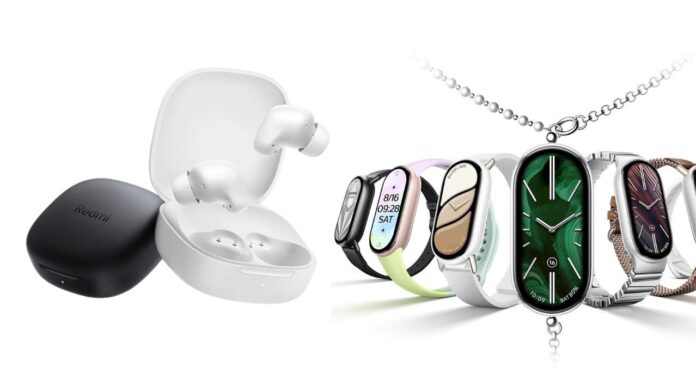
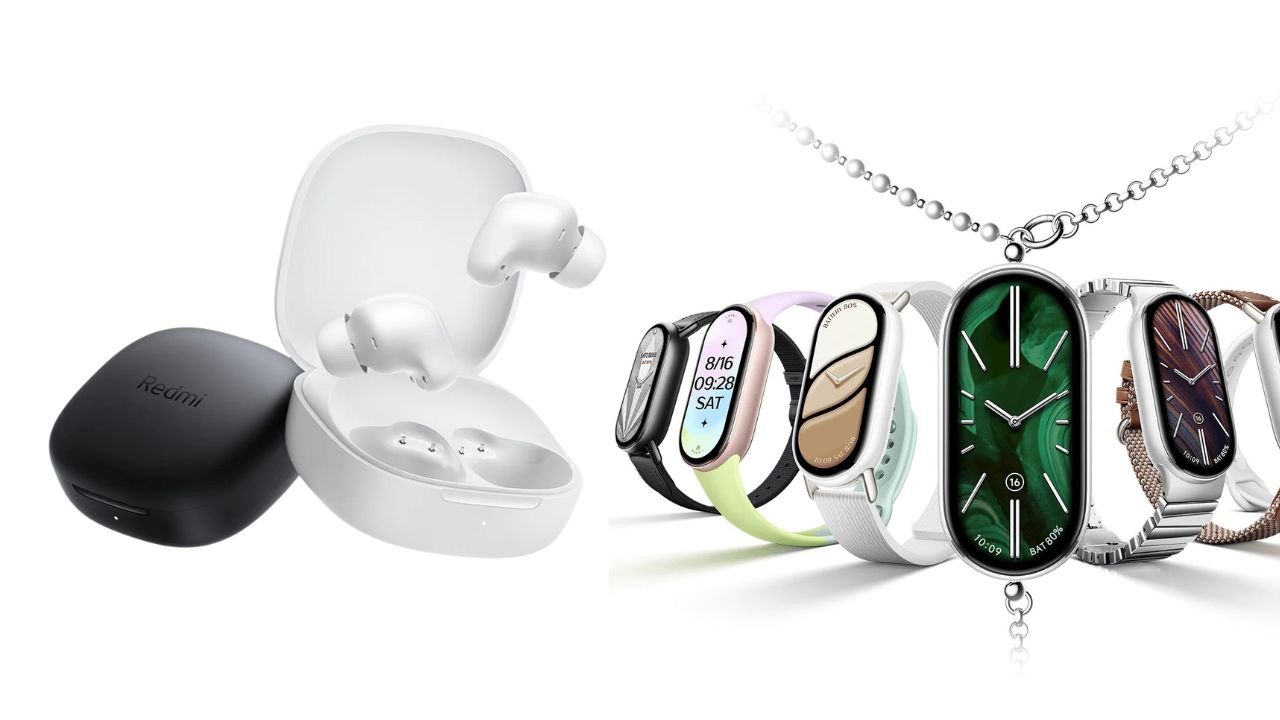
Redmi Buds 6 Play and Xiaomi Smart Band 10 Review

Redmi Buds 6 Play and Xiaomi Smart Band 10 Review

In need of a new smart band and earbuds for the new year? These handy devices might be exactly what you’re looking for. Whether it’s a thoughtful Christmas gift for a loved one or a well-deserved present for yourself, the Redmi Buds 6 Play and Xiaomi Smart Band 10 offer a great blend of practicality, style, and everyday usefulness.

I’ve been using both for almost a month now, and they’ve made my day-to-day life easier and a lot more fun. The combination of great music quality and smart health tracking makes these two devices a solid pair for anyone trying to live a more active, balanced lifestyle.

Redmi Buds 6 Play: Lightweight Comfort Meets Everyday Convenience

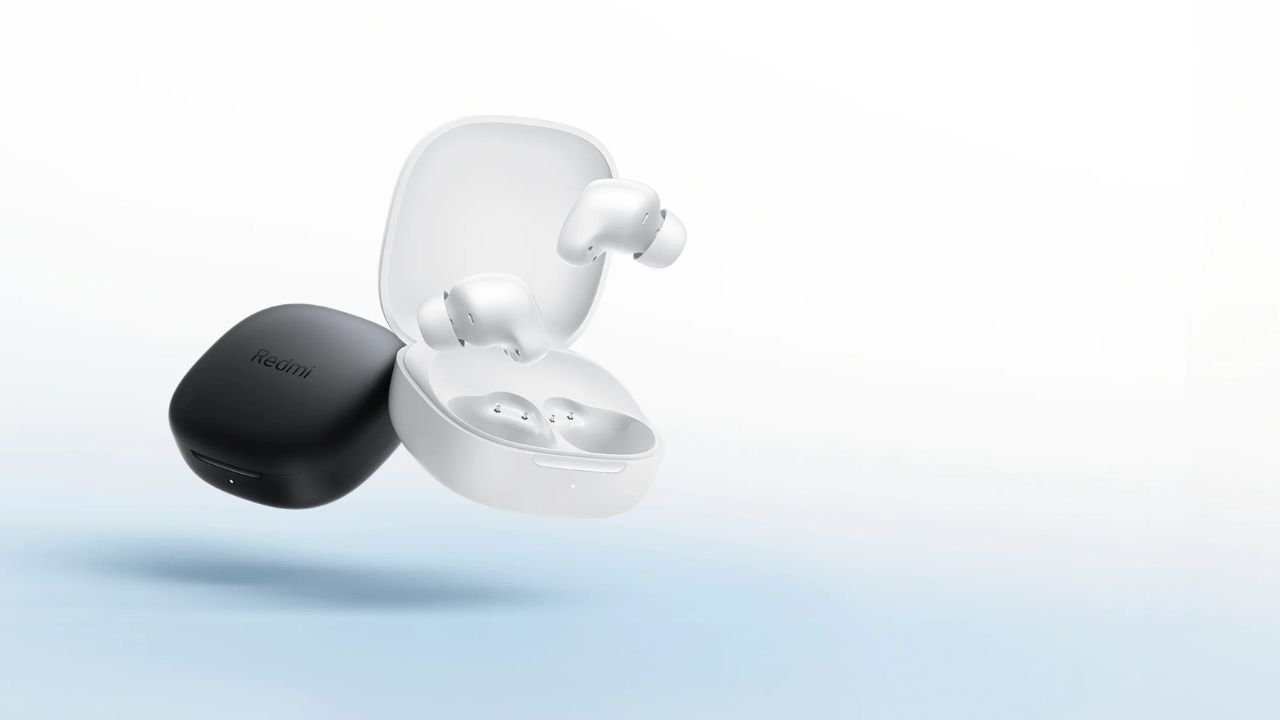
Let’s start with the Redmi Buds 6 Play. If you’ve ever struggled with uncomfortable earbuds, these will be a breath of fresh air. They’re light, soft on the ears, and designed to fit snugly without slipping out even during light workouts or long walks. I often wear mine for hours while cleaning, cooking, or working, and I barely notice they’re there.

The sound quality is impressive for the price. It’s not overly bass-heavy but well-balanced, perfect for podcasts, pop hits, or even ambient music while studying. There’s also a smooth, mellow tone to the audio that’s kind to sensitive ears. They don’t overwhelm you with volume, yet they still deliver clarity and detail, especially in vocals.

Bluetooth connectivity is quick, and the touch controls did take a little getting used to; finding the right spot and pressure for the taps wasn’t immediate, but after a bit of practice, I got the hang of it. A quick look through the manual made it simple enough.
Battery life is another highlight. You can easily get several hours of listening time on a single charge, and the compact case provides multiple recharges. That means you can take them out for a day of errands or travel without constantly worrying about plugging them in.

One thing I really appreciate is how intuitive they are for casual use. I can start a cleaning session, pop in the buds, and instantly dive into my “Rockstar playlist.” There’s something oddly satisfying about vacuuming while belting out your favorite songs. Redmi Buds 6 Play make it all the more enjoyable.

Redmi Buds 6 Play
The Redmi Buds 6 Play costs $19.50 Australian.

Xiaomi Smart Band 10: A Compact Fitness Companion

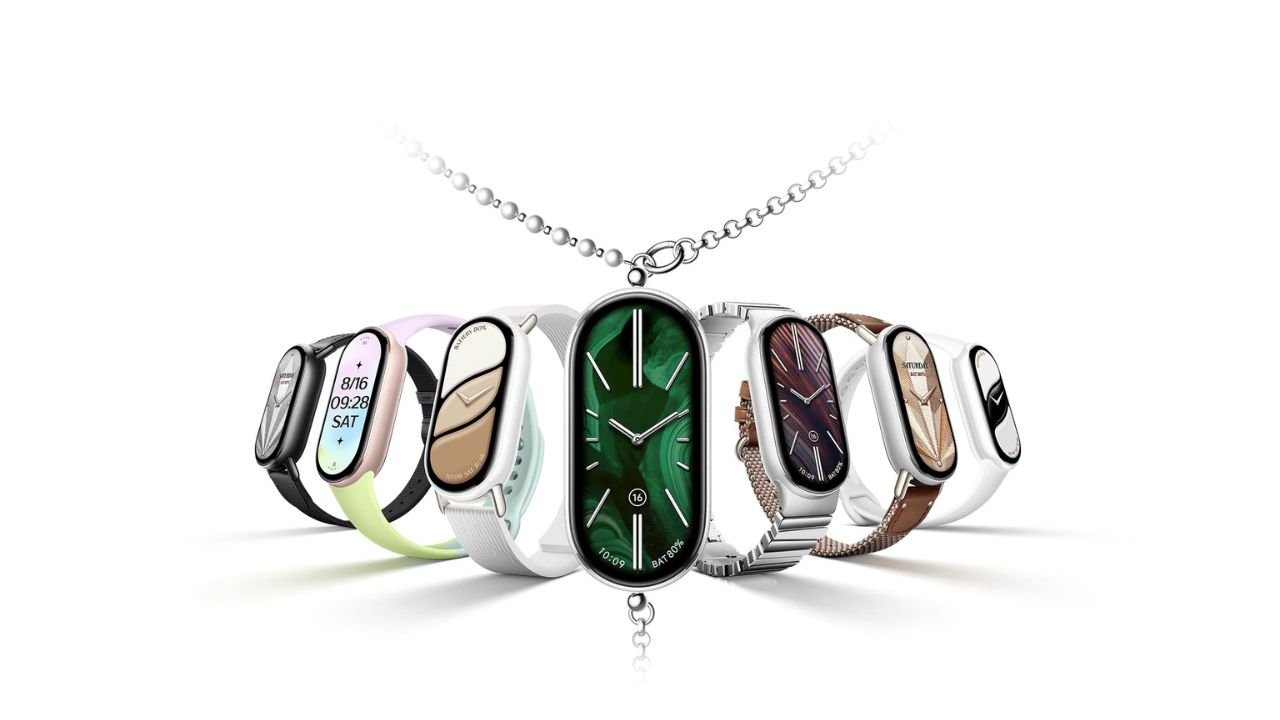
Moving on to the Xiaomi Smart Band 10, this little gadget packs a surprising amount of functionality into its slim, minimalist design. It’s lightweight, sleek, and fits comfortably on the wrist, making it ideal for everyday wear.

The display is bright and easy to read, even outdoors. The interface is intuitive, with simple swipe gestures to navigate between features like step count, heart rate, and sleep data. While the band isn’t water-resistant, it’s still great for tracking most everyday activities.

What stands out most is its health tracking accuracy. It measures steps, calories burned, and heart rate with impressive consistency. If you’re someone who wants a simple way to stay accountable for daily movement—remember that goal of 10,000 steps a day—it’s a perfect choice. It gives you a gentle nudge to move more without being intrusive.

Through the Bluetooth connection, you can sync it to your smartphone and view all your health data in the Xiaomi app. The app’s layout is clear and well-organized, showing trends over time, so you can see your progress and even set goals for specific metrics.

I also love how it doubles as a notification centre. You can choose which apps send alerts: calls, texts, social media, and even calendar reminders. When I’m working out or cleaning, I’ll often get quick notifications on my wrist so I don’t have to stop what I’m doing. It’s a small convenience, but it makes a big difference in staying connected without constantly checking my phone.

Xiaomi Smart Band 10
Xiaomi Smart Band 10 retails for $63 on Xiaomi

Redmi Buds 6 Play and Xiaomi Smart Band 10

Both the Redmi Buds 6 Play and Xiaomi Smart Band 10 offer incredible value for their affordability. They’re not flashy luxury gadgets, but they do what they promise and they do it well. The earbuds bring enjoyable, comfortable listening for daily life, while the smart band keeps your health goals front and centre.

If you’re looking for reliable, everyday tech companions to start the year off right, this duo makes an excellent pick. They’ve certainly helped me stay active, organized, and entertained, whether I’m powering through a workout, walking to reach my step goal, or turning my chores into a mini concert.

The post Redmi Buds 6 Play and Xiaomi Smart Band 10 Review first appeared on Women Love Tech.