
Anuncio
Me encanta Orlando
Inicio Blog Página 6

Fad or Flop? What Does The Future Hold For TikTok?

Fad or Flop? What Does The Future Hold For TikTok?

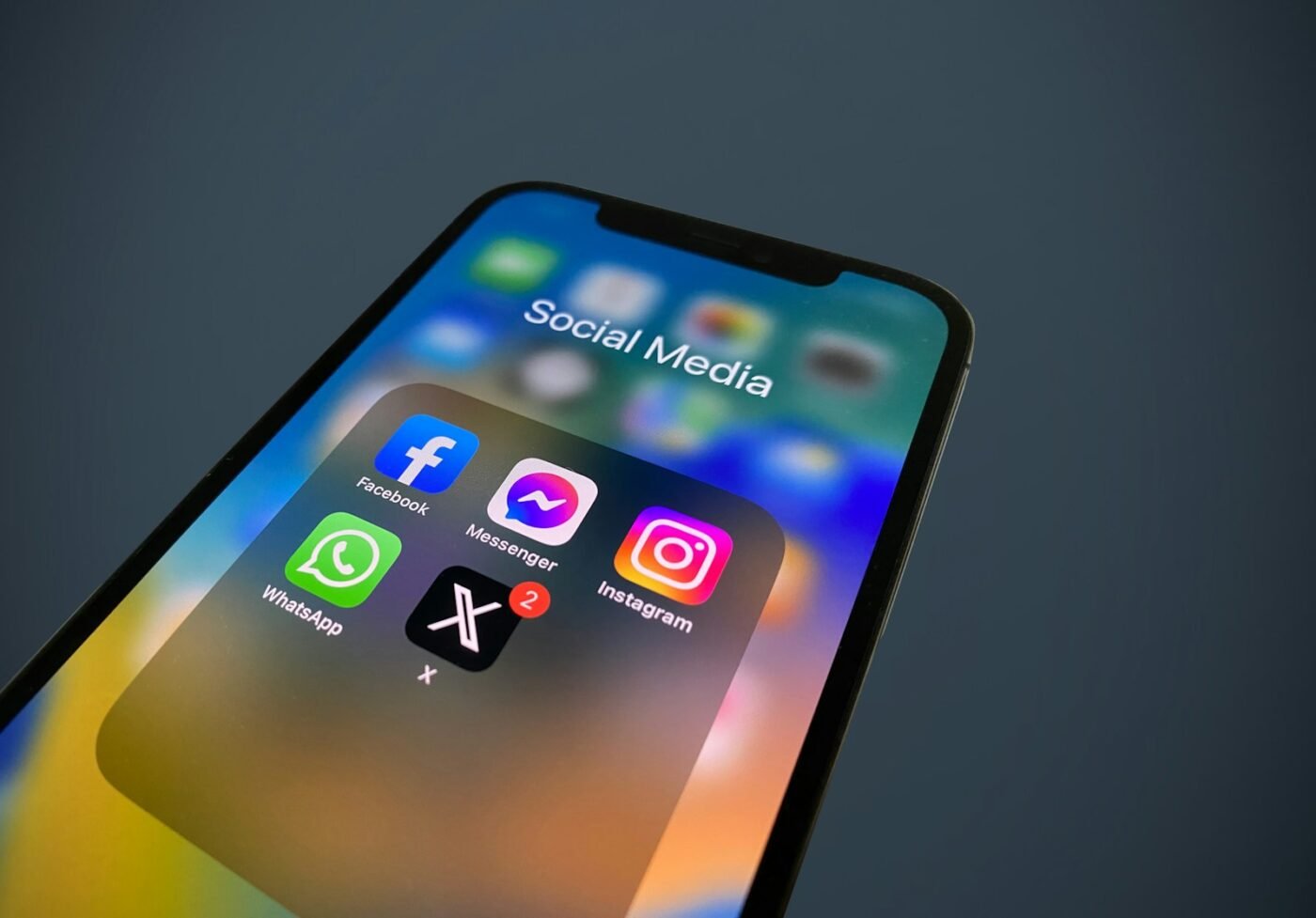
In social media, every click, view, and impression counts. Platforms that attract billions of users and shape online culture drive billions in ad revenue and influence global marketing trends. For more than a decade, Meta’s flagship platforms, Facebook and Instagram, have dominated this space. However, a major shift may be on the horizon, as one of the youngest players in the industry prepares to rewrite the leaderboard.

According to data presented by Jemlit.com, TikTok is projected to dethrone Instagram and become the world’s second-largest social media platform by 2030, a stunning achievement for an app that launched less than two decades ago.

TikTok’s Meteoric Rise: From Trendy App to Global Powerhouse

It’s been nearly ten years since TikTok first appeared on the scene, and its momentum shows no signs of slowing down. In 2024, TikTok was the most downloaded app worldwide, amassing 773 million installs across iOS and Android. As of 2025, the platform boasts between 1.5 and 1.6 billion monthly active users, cementing its position as one of the most influential forces in digital entertainment.

What makes TikTok stand out isn’t just its user base; it’s the time people spend on it. According to the Data Reportal Digital 2025 Global Overview Report, Android users now spend an average of one hour and 37 minutes per day watching TikTok videos. That’s 12 minutes more than YouTube, 22 minutes more than Instagram, and nearly half an hour more than Facebook.

On a broader scale, this translates to more than 11 hours per week, over two full days per month, and nearly a full month per year spent scrolling, swiping, and engaging with TikTok content. This extraordinary level of engagement underscores TikTok’s unique ability to capture attention and to keep it, especially among younger generations.

TikTok awards winner Indy Clinton
TikTok awards winner Indy Clinton in 2023

A Shake-Up Among the Social Media Giants

The latest Statista social media projections reveal that Facebook continues to reign supreme with 2.8 billion users in 2025, up from 2.65 billion the previous year. Instagram currently holds second place with 1.4 billion users, followed by TikTok, LinkedIn (943 million), Reddit (796 million), and Snapchat (515 million).

But the coming years will bring a major reshuffling. Statista forecasts that by 2030, Facebook will expand its empire to 3.5 billion users, while TikTok will leapfrog Instagram by adding 660 million new users, reaching an astonishing 2 billion total. This milestone would make TikTok the only platform other than Facebook to surpass the two-billion-user mark.

Meanwhile, Instagram will grow more modestly, reaching 1.97 billion users by 2030, just below TikTok’s projected count. LinkedIn will steadily climb to 1.35 billion users, and Reddit and Snapchat will hit 943 million and 923 million, respectively. Interestingly, Snapchat will lead the major platforms in percentage growth, even though its total user numbers remain smaller.

tiktok
Join Women Love Tech’s TikTok here: https://www.tiktok.com/@womenlovetech

The Future of TikTok – A 6.6-Billion-Person Social Media Universe

As these platforms continue to expand, the global social media landscape will reach new heights. Statista estimates that by 2030, more than 6.6 billion people, roughly three-quarters of the world’s population, will be active on at least one social media platform. That’s 1.2 billion more users than in 2025 and 2.8 billion more than a decade ago.

This explosive growth will have massive implications for businesses and advertisers. Social media advertising is on track to evolve into a half-a-trillion-dollar industry by 2031, reflecting not only the sheer number of users but also the unprecedented amount of time and attention they devote to digital platforms.

In short, the future of TikTok represents a larger cultural and economic shift in how people communicate, consume content, and spend their time online. By 2030, as TikTok takes its place just behind Facebook, the social media hierarchy may look dramatically different, and the competition for user engagement will be fiercer than ever.

The post Fad or Flop? What Does The Future Hold For TikTok? first appeared on Women Love Tech.

Monash Experts Warn Australia’s Social Media Ban for Under-16s May Create New Risks

Monash Experts Warn Australia’s Social Media Ban for Under-16s May Create New Risks

As Australia prepares to enforce a nationwide social media ban for children under 16 from December 10, Monash University experts say the policy, described as a child-safety measure, may produce consequences far more complicated than the government has acknowledged.

Across sociology, psychology, education, law and technology, researchers agree on one point: the ban may be well-intentioned, but the realities of how young people use digital platforms suggest its impact could be uneven, disruptive and, for some, harmful.

social media ban

Social Media Ban: A Push Into the Shadows

Associate Professor Brady Robards, a sociologist who studies youth and digital culture, says the ban risks pushing young people into less regulated online spaces while closing off crucial channels for support and connection.

“Marginalised young people – those in rural areas, with disabilities, or LGBTQIA+ – often rely on social media for belonging,” he notes. He also points to limited consultation with young people themselves and argues that more nuanced platform governance is needed, not blunt exclusion.

Parents on the Front Line

For parents, the transition may be emotionally charged. Professor Marie Yap, a psychologist and parenting expert, warns that many children will experience anxiety or grief as platforms they depend on for self-expression and connection suddenly become off-limits.

She urges parents to approach conversations with empathy and preparation: “Before even raising the topic, do your research,” she says, recommending the eSafety Commissioner as a starting point. Tone matters, too—judgement or forcefulness may drive young people to hide their online experiences at a time when openness is essential.

For some families, she adds, this may be the first real conversation about online life. “Pause before reacting. You don’t want to shut that door.”

Queer Youth at Higher Risk of Isolation

Legal scholar Professor Paula Gerber raises concern about what the ban means for LGBTQIA+ youth, who disproportionately turn to online spaces for mental health support, identity exploration and community.

“Almost three-quarters of young trans Australians say social media makes them feel better about themselves,” she says. Cutting off those lifelines especially in rural or unsupportive environments may deepen isolation and remove access to affirming communities.

Gerber also warns that the ban may conflict with children’s rights under the UN Convention on the Rights of the Child, including freedom of expression and access to information.

‘Forbidden Fruit’ and the Limits of Prohibition

Associate Professor Eric Windholz, from the Faculty of Law, describes the ban as “a new high-water mark in the state’s paternalism,” noting the irony that while the government suggests parents cannot manage digital use, the ban ultimately relies on parental enforcement.

He predicts a classic “forbidden fruit” effect: many children will seek ways around the restrictions, creating opportunities for malicious actors. “Prohibition has a poor track record,” he cautions.

Banning Isn’t Teaching

From the Faculty of Education, Dr Clare Southerton stresses that bans don’t equip young people with the digital literacy they need to stay safe. Without evidence that bans reduce online harm, she argues, Australia risks delaying children’s ability to learn critical digital skills.

“Talk to your children,” she says. “Build trust so they come to you when something goes wrong.” And she urges parents to take seriously the emotional impact of losing digital social spaces, which for many have replaced the freedoms previous generations experienced offline.

A Call for Industry Accountability

Professor Jon Rouse, of the AiLECS Lab and a former senior law-enforcement leader, welcomes the shift in responsibility from families to tech platforms—but says this moment must mark more than just restricting access.

For years, he argues, tech companies were warned about the harms unfolding on their platforms but responded “piecemeal and reactively.” He sees the new laws as a necessary correction to an industry that prioritised growth over safety.

“The legacy of December 10 should be measurable improvements in children’s mental health and safety,” he says, “not simply that they were kept off certain platforms.”

Two friends taking a selfie on a bed
Photo by Vitaly Gariev

What Parents Can Do

1. Do Your Homework First

2. Start Conversations With Empathy

  • Approach discussions without judgement or force.
  • Validate your child’s feelings—anger, anxiety, or grief are natural reactions.

3. Focus on Connection, Not Control

  • Encourage safe digital habits instead of simply restricting access.
  • Ask open-ended questions about their online experiences and friendships.

4. Watch for Influences

  • Recognise that friends, influencers, and public figures shape opinions.
  • Use that insight to guide thoughtful, non-confrontational discussions.

5. Build Digital Resilience

  • Teach children critical thinking about online content, privacy, and interactions.
  • Model healthy social media use yourself.

6. Keep Offline Support Strong

  • Maintain safe spaces for your child to express themselves.
  • Offer alternatives for social connection if online access is restricted.

The post Monash Experts Warn Australia’s Social Media Ban for Under-16s May Create New Risks first appeared on Women Love Tech.

Guía para seleccionar la ubicación de un pequeño comercio minorista

fotos libres de uso

“El éxito de un pequeño comercio depende tanto del lugar donde se establece como de la forma en que se administra.” -Philip Kotler (adaptación) Autor: Salvador García de León La…

La entrada Guía para seleccionar la ubicación de un pequeño comercio minorista se publicó primero en Emprendices.

Latinoamérica no necesita más gurús: necesita educación emprendedora accesible y honesta

fotos libres de uso

Durante los últimos años, Latinoamérica se ha llenado de conferencias, talleres y videos sobre emprendimiento. Hay gurús que prometen libertad financiera en 30 días, fórmulas “infalibles” y métodos milagrosos para…

La entrada Latinoamérica no necesita más gurús: necesita educación emprendedora accesible y honesta se publicó primero en Emprendices.

The World’s Thinnest * Smartphone … And Four New Releases That Dropped in Australia This Week

The World’s Thinnest * Smartphone … And Four New Releases That Dropped in Australia This Week

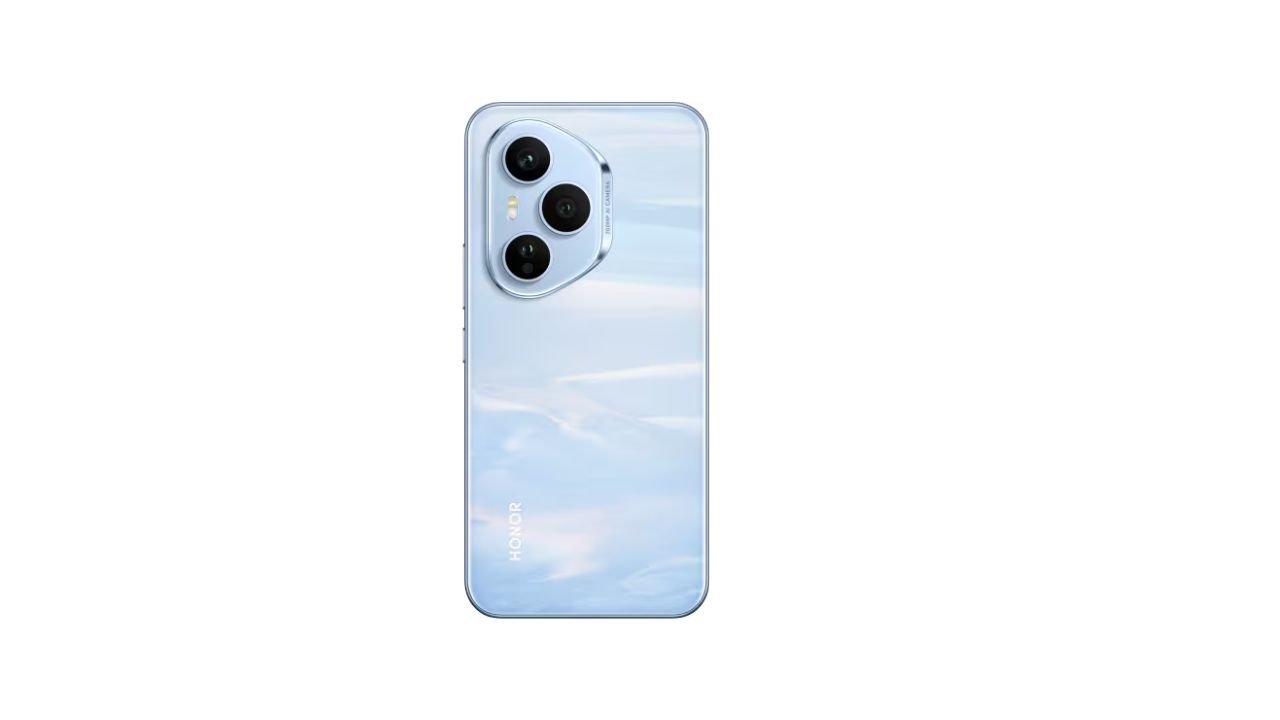
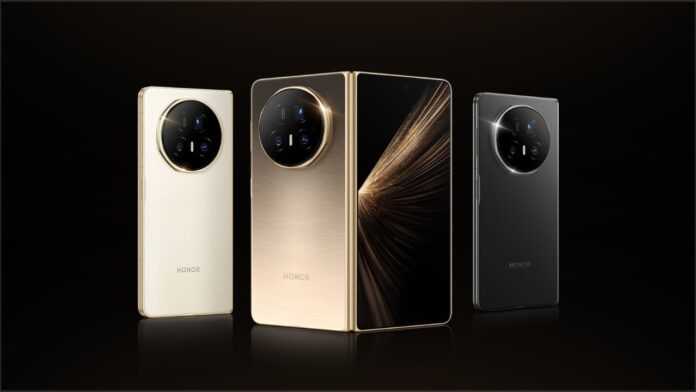
Tech brand Honor has officially landed in Australia. And, they didn’t just slip in quietly. They arrived with what is currently recognised as the world’s thinnest inward-folding smartphone. * Plus four more sleek new gadgets that are ready to upgrade your everyday life, one swipe, tap and clip at a time.

With a USD 10 billion investment planned over the next five years, Honor has their sights set on transforming from a smartphone brand into a full AI-powered ecosystem. Translation? Your devices won’t just be smart. They’ll be stylish, seamlessly connected and actually helpful.

Here’s what’s new, what’s exciting and why you might be about to question your loyalty to your current tech set-up.

Honor Magic V5 – The featherlight foldable that fits in your pocket (and lifestyle)

Foldable phones are no longer chunky space hogs, and the Honor Magic V5 is proof. At just 8.8mm when folded, it’s officially the world’s thinnest inward-folding smartphone. Thin enough to slip into your clutch, workout shorts or tailored trousers without creating a tech-shaped bump, it holds the Guinness World Record for the heaviest weight lifted by a suspended foldable smartphone (104 kg).

Unfold it and it transforms into a 7.95-inch inner display – perfect for Netflix between meetings or sketching fresh ideas in your downtime. The 6.43-inch outer screen also supports stylus use, so handwritten notes and side-hustle planning can happen on the go.

Powered by a 5,820mAh silicon-carbon battery, this isn’t a “handle with care” beauty. It’s designed for real life. The triple camera system (64MP telephoto, 50MP main and 50MP ultra-wide) uses AI features like Motion Sensing Capture and Enhanced Portrait, meaning even your candid coffee shots can look editorial.

MagicOS 10 comes with Google Gemini built in, offering writing support, learning assistance and even live screen-sharing guidance. Think of it as a phone that’s chic—but also secretly very, very clever.

World’s Thinnest Smartphone Honor Magic V5

Honor 400 Pro 5G – Creativity without the editing hangover

The Honor 400 Pro is for the person who takes photos more than they edit them. Thanks to on-device AI, it can turn a series of snaps into a share-ready video clip instantly – no apps, no fiddling, no YouTube tutorials required.

Features like AI Eraser (bye, background clutter), AI Outpainting (extend image edges seamlessly) and Moving Photo Collage make it ideal for documenting life without overthinking it. The silicon-carbon battery delivers hours of power, even under heavy use, and still retains over 80% health after four years.

With 512GB storage, it’s basically a digital scrapbook waiting to happen.

Honor 400 Pro 5G

Honor Pad 10 – Bigger screen, lighter life

If your laptop feels like a brick and your phone isn’t quite enough, the Honor Pad 10 strikes the balance beautifully. At just 6.3mm thick and 525g, it’s thinner than a magazine and lighter than some hardbacks – yet packs a 12.1-inch display and 10,100mAh battery.

Ideal for remote work, travel, binge-watching and digital journalling, it’s the device you didn’t know you needed until now. Equal parts productivity partner and streaming companion.

Honor Pad 10

Honor Watch 4 – Stylish health accountability

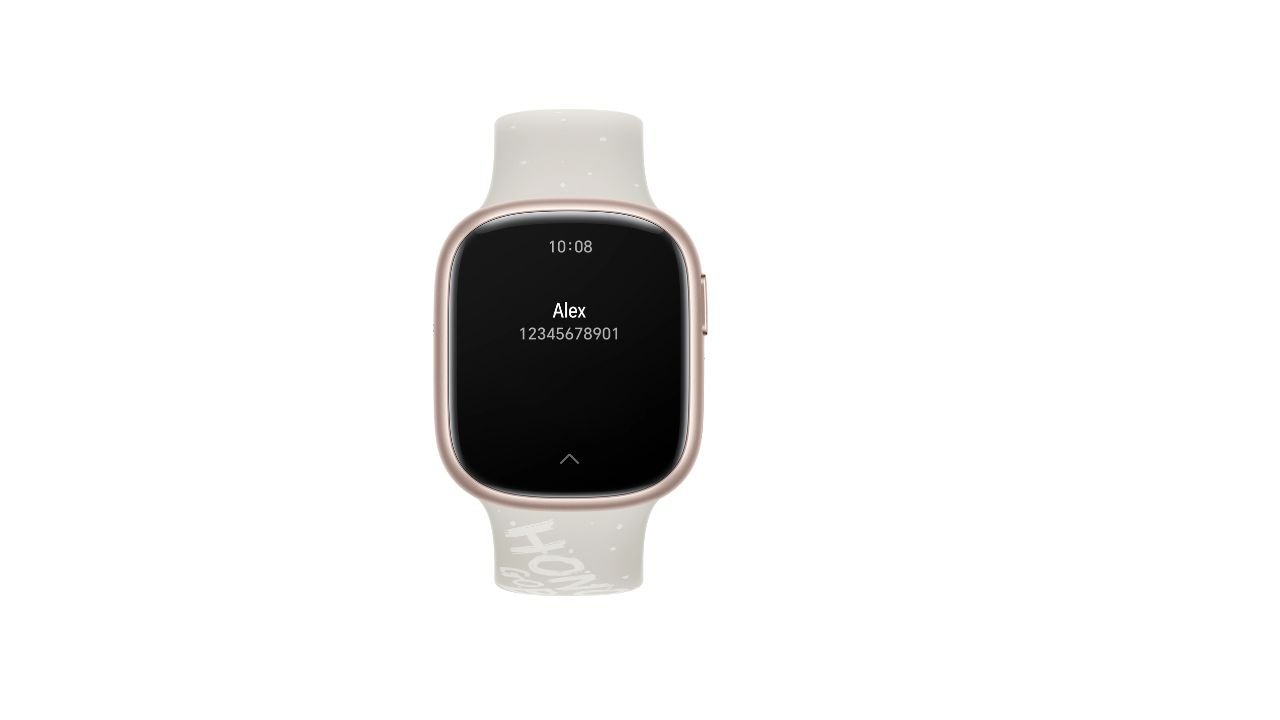
Designed for those who like their tech to look as good as it performs, the Honor Watch 4 features a sleek aluminium frame and 1.75-inch AMOLED display. It tracks everything from heart rate and sleep quality to stress and “Fitness Age” (brutal, but motivating).

It offers up to 14 days of battery life and even allows Bluetooth calls via your wrist. Think of it as a wellness coach that doubles as an accessory.

Honor Watch 4

Honor Choice Earbuds Clip – Audio that doesn’t shut out the world

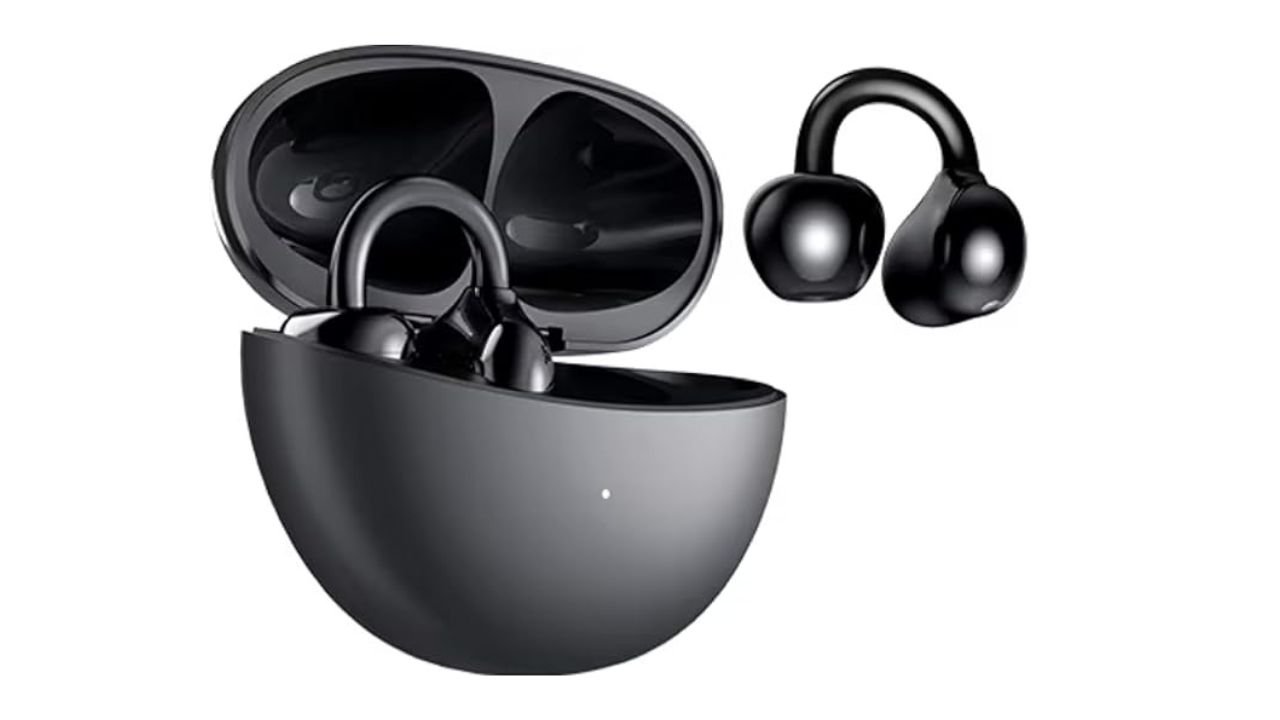
Finally, something for multitaskers. The Honor ChoiceEarbuds Clip are open-ear wireless buds that weigh only 5.1g each and don’t block your ear canal. Perfect for running, riding or walking home while staying aware of your surroundings.

With up to 36 hours total playtime, dual-device connectivity and AI noise reduction for calls, they’re as practical as they are minimal. More design statement than tech add-on.

Honor Choice Earbuds Clip

Could you really replace your iPhone?

With more than 250 million active devices globally and big plans for Australia (including a strong focus on local retail partnerships and customer support), Honor isn’t treating this as a stopover launch. It’s a long-term move.

Whether you’re a content creator, wellness enthusiast, frequent flyer or simply someone who appreciates gear that works as beautifully as it looks, there’s something in this lineup for you.

Curious if a foldable could actually replace your phone? Wondering whether open-ear buds feel weird or like you’ve unlocked a life hack? Or maybe you’re just here for the aesthetic upgrade.

Either way – Honor has arrived, and they’re not just flexing tech. They’re making it aspirational. And, truly what an Honor it is to meet them!

The post The World’s Thinnest * Smartphone … And Four New Releases That Dropped in Australia This Week first appeared on Women Love Tech.

How This Burping Puppet is Inspiring Australia’s Next Generation of Tech Talent

How This Burping Puppet is Inspiring Australia’s Next Generation of Tech Talent

If you’ve ever seen a kid collapse into giggles over a well-timed fart joke, you’ll understand exactly why Telstra’s latest initiative might just be the smartest way to tackle Australia’s looming tech crisis.

Because if the cure to a 131,000-worker digital skills shortage is an animatronic puppet named Patch… well, nobody saw that coming.

But, here we are. Welcome to Codemates — Australia’s first publicly available experience where kids aged 8–15 can code a real-life puppet to dance, joke, kung fu strike and yes, drop a cheeky burp or fart. And it just might be the joy-fuelled spark we need to engage young Aussies in tech.

And honestly? It’s about time we got a little creative.

Australia’s tech gap isn’t funny — but Patch is

According to the Future Skills Organisation Workforce Plan 2025, Australia is on track to face a shortfall of 131,000 tech workers by 2030. That’s not just a staffing issue — that’s a potential roadblock to innovation, competitiveness and future economic growth.

The encouraging news is that 75% of young people already know digital skills matter for their future careers (2024 Australian Youth Digital Index). Kids want to learn this stuff. The problem? Only half are actually being taught how to code at school.

So what do you do when you need to connect high-value technical education with an audience who speaks fluent Roblox and considers humour an essential learning tool?

You give them a puppet sidekick with a sass setting.

Meet Patch — coding’s most entertaining wingman

Telstra has been supporting kids’ coding development for over two decades through free programs like Code Club. But 2025 marks a whole new level with Codemates, an interactive, real-time coding experience where children can program Patch via a web interface.

It starts with a digital avatar so they can practice their commands. Then comes the main event — a live session where their code controls the animatronic puppet, streamed directly back to them. Every move, joke and gas-powered gag is driven by logic and sequencing written by the kids.

Yes… even the farts are educational.

“I love coding because it lets me be creative and tackle problems step by step. [This] is valuable for any career path. Thanks to Codemates, thousands of kids now have a coding buddy, making learning to code fun and collaborative,” says Chloe (16), a member of Telstra Foundation’s 2025 Youth Advisory Council.

That’s the power of Patch. Because learning something as potentially intimidating as programming becomes instantly approachable when it’s accompanied by jazz hands. And the odd burp.

Why this matters (beyond the comic relief)

Teaching coding isn’t really about mastering syntax. It’s about building computational thinking — problem-solving, logic, creativity and resilience. The same cognitive tools that help engineers build AI are the ones kids use to program Patch’s next sick disco move.

Think of coding like Sudoku in motion — strategy, deduction and sequence testing. Only instead of a number grid, the output is a furry dance battle.

And kids are already showing they’re hungry for this kind of independent, tech-forward learning. While only 1 in 2 say they’ve learned coding at school, 75% showed a preference for self-directed digital learning, far exceeding guidance from family or friends.

That’s significant. It tells us kids don’t just need better access to digital education — they want it. And, they’re ready to take the wheel.

Coding meets creativity in the next generation of tech talent

Codemates is completely free and available nationwide. It launches during the 10th anniversary of Moonhack, the Australian-born international coding event where tens of thousands of kids participate globally.

It combines remote execution, live streaming, physical robotics and a strong dose of play. It’s tech education in stick-your-landing-and-hold-your-giggle format.

And while it feels like fun (and it is), this is serious groundwork for Australia’s future tech talent. Because if a puppet can teach hundreds of thousands of kids to code, what’s to say one of them won’t be the person designing the next life-changing AI tool, solving climate problems or protecting cyber security?

They’ll laugh. They’ll learn. They might invent the world’s first algorithmic moonwalk-belch combo.

Visit www.codemates.fun to join the adventure — and see how a dancing, farting puppet might just be the tech mentor Australia needs.

Turns out, the future doesn’t only speak in binary. Sometimes, it burps.

The post How This Burping Puppet is Inspiring Australia’s Next Generation of Tech Talent first appeared on Women Love Tech.

Can You Use Tech to Breathe Better?

Can You Use Tech to Breathe Better?

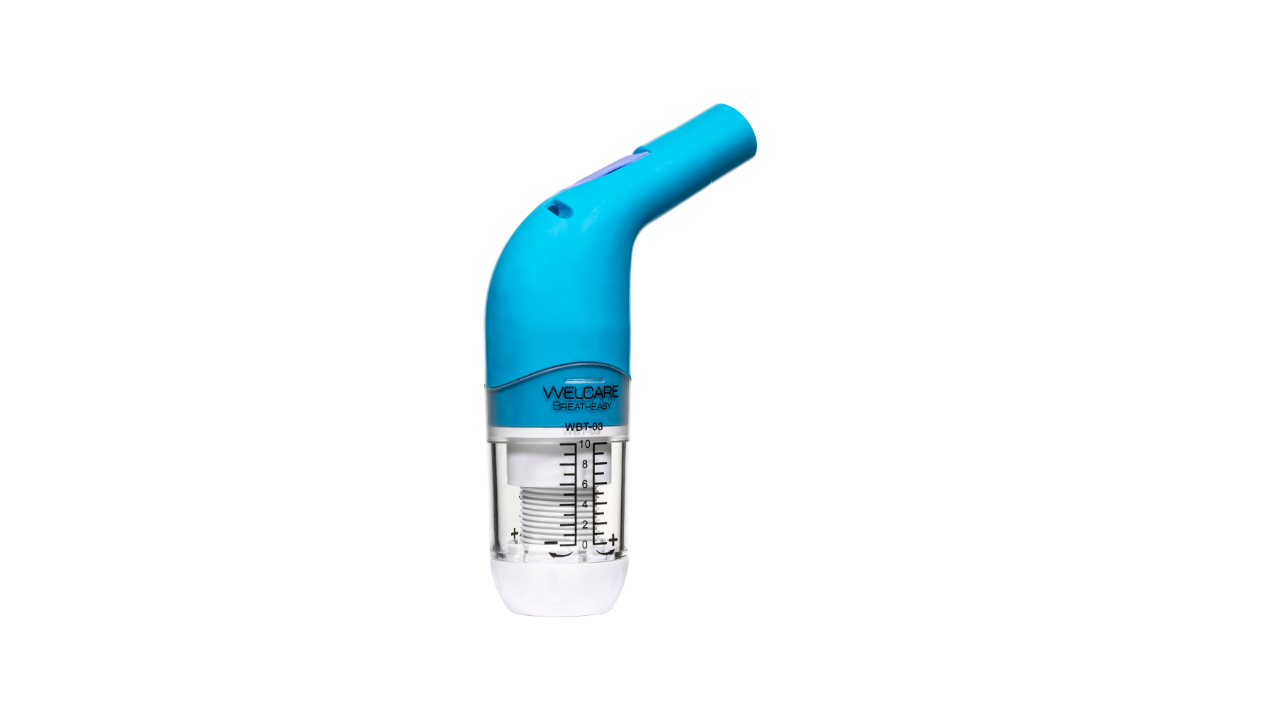
Given that the average person can survive for a short three to five minutes without breathing, the importance of clean air should not be underestimated. However, in light of the number of toxins that fill the atmosphere, it can be hard to breathe easily when you consider the pollutants we consume on a daily basis – especially for those with respiratory health issues. Or athletic individuals aiming to increase lung function! Offering an unexpected support lung system are the Welcare Breatheasy Breathing Trainers. Here’s what happened when we tried it out … 

Let’s start by clearing the air

We certainly surprised our inner cynic by discovering such devices existed. Surely, we don’t need a machine to help us breathe! Well, it turns out some people do, which is where the Welcare Breatheasy Breathing Trainers come in. Available in three grades, the low-resistance breathing trainer is suitable for the rehabilitation of lung function for people with certain respiratory illnesses, or younger children; the moderate resistance breathing trainer an excellent option for healthy people and adults (including former smokers) recovering from certain respiratory illnesses; and the advanced resistance breathing trainer aimed at athletes and sporting people who want to improve their overall health and increase lung function and endurance.

Regardless, every single “drug-free lung expansion” device is designed to increase the volume of and strengthen and improve overall function of the lungs. A big claim for a device that was so small I could discreetly fit into into my purse. 

Which Welcare breathing trainer was right for me?

Given that it’s been a while since I blew out single-digit candles on my birthday cake. Nor have I ever been a smoker, I opted to experiment with the advanced resistance breathing trainer. While I would certainly not consider myself an athlete, I often struggle with breathlessness through my regular workouts. An element of my wellness routine that I hoped could be improved with the addition of a breathing device. 

Breathing trainer

How does a breathing trainer work?

With the device set up, I adhered to instructions to “sit in an upright position, set the resistance to level 0 to start, place the mouthpiece between my lips and inhale quickly and deeply and exhale slowly.” In light of the lack of attention one usually affords to their breathing, it was an unusual, albeit not uncomfortable sensation. The remaining directions required me to complete “30 breaths in a row.” However, with my notoriously limited lung capacity I struggled, and only managed 20. While some what disheartened, I discovered that this was a relatively normal reaction

My suggestion? Supplement with a little light reading of Breath: The New Science of a Lost Art by James Nestor – an audiobook that explains the importance of taking 25,000 healthy breaths a day. 

meditation
Breath work and meditation

So, did I improve? Let’s take a deep breath and find out…

It took a few days (with sessions in both morning and night), but I was soon able to attain the lucrative 30 breaths, with relative ease. At which point I turned the resistance adjustment clockwise to increase the resistance level, then repeated. However, the true test was going to be my capacity to clock 5 kilometres on the treadmill without completely crashing. 

Any gains should not have come as a complete shock, given that IMT or Inspiratory Muscle Training (the routine I had just unofficially completed) has scientifically backed several benefits. Some studies suggested a four-week IMT training program improved the inspiratory muscle strength in athletes as well as their 800-metre running performance. With another which looked at the power of IMT warm-up exercises before a race revealing it “delivered an enhanced performance across 3,200 metres and a reduction in breathlessness”

And, while I can’t claim that the Welcare transformed me into Sam Kerr, some of the benefits of the breath trainer were undeniable. These included improved oxygen efficiency, enhanced endurance, increased lung capacity, better breath control, reduced breathlessness, and stress reduction. I also found myself recovering faster, experiencing fewer injuries and just generally experiencing a more effective and enjoyable exercise routine. A device that delivered what it promised. It was certainly a breath of fresh air! 

The Welcare Breatheasy Breathing Trainer retails for $79.95 at welcare.com.au. 

The post Can You Use Tech to Breathe Better? first appeared on Women Love Tech.

Sleep Apnea pioneer Dr Paul Coceancig: How Poor Sleep Impacts Your Relationships

Sleep Apnea pioneer Dr Paul Coceancig: How Poor Sleep Impacts Your Relationships

Maxillofacial Surgeon and Sleep Apnea pioneer Dr Paul Coceancig shares insights into the impact of poor sleep on women’s health and wellbeing.

How poor sleep affects libido and relationships 

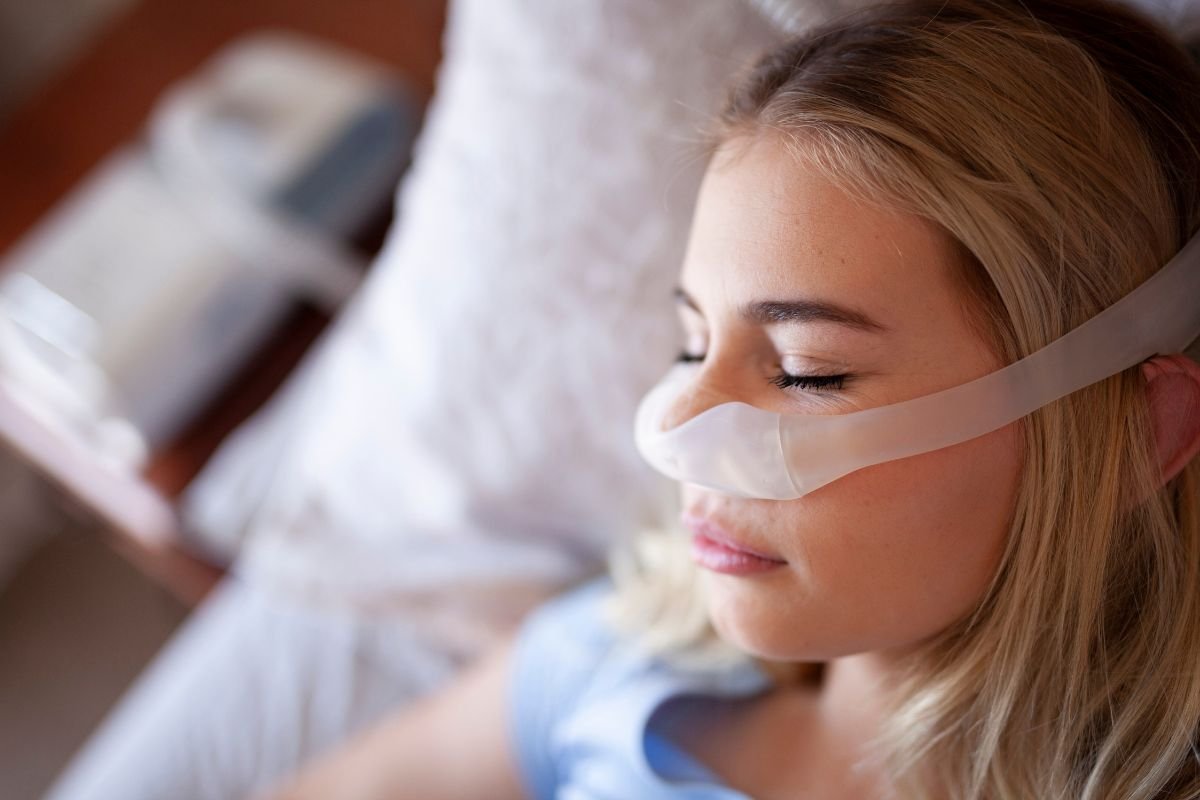
Consistently poor sleep where you (or your partner) are not having enough deep sleep per night, or the presence of sleep disorders, can impact both your libido and relationships. Deep sleep is where your body is unmoving, undisturbed and your muscles and body are able to recover from the activities of the day.

You can only fill the bucket of your daily energy requirements by getting enough deep sleep per day. As an adult, you should be aiming to get between 1.5-2 hours of deep sleep daily to restore your energy reserves and achieve better health equilibrium.

If you are having consistently poor sleep, with minimal restorative deep sleep, this can affect your body’s oxygen levels, hormone health, overall health & wellbeing and ultimately deplete energy levels. As a result, your libidio can be impacted by the spiralling energy levels and disrupted hormones. This in turn can affect your romantic relationship.

Lack of restorative sleep can lead to cognitive issues that may result in resentment and guilt. It also damages emotional and physical intimacy. It can even lead to marriage problems.

Relationships where snoring and sleep apnea are present can impact both the sufferer and those sleeping in close proximity to the sufferer.

With my patients, more often than not, it is the partner who is fed up with the snoring and has encouraged the ‘snorer’ to come and see me to try and fix the problem.

Constant snoring is a sign of sleep apnea, and one of the leading causes of ‘lack of restorative sleep’ in Australia is Obstructive Sleep Apnea (OSA). Sleep apnea not only leads to a lack of sleep for the person suffering from OSA, it can also leave partners and family members with broken sleep due to the consistently loud snoring.

sleep apnea

How sleep affects weight management and vice versa

Poor sleep can impact hormone health and energy levels, making it difficult to lose weight and achieve a better state of health equilibrium. Separately, weight gain can also affect your sleep as excessive weight gain or increasing neck circumference may result in serious sleep disorders, such as sleep apnea. With sleep apnea, you are unable to fall into or stay in a restorative deep sleep, and as a result the functioning of your hormonal glands and other tissues may be negatively impacted.

It’s a vicious cycle where no amount of diet or exercise can help. You need to prioritise sleep to restore energy levels and balance hormones to achieve a better state of health equilibrium. It’s important to recognise the three pillars of health; diet, exercise and sleep, and take control of your health and wellbeing in all areas so you can maintain a healthy weight throughout your life’s journey.

What should you do if I think you have sleep apnea?

Sleep apnea is a serious sleep disorder in which breathing repeatedly stops and starts, it is punctuated by loud snores. The disorder occurs due to the relaxing airway muscles causing the tongue to collapse, thus obstructing and choking the airway that runs behind it.

The first step is to acknowledge that you need to take control of your health and wellbeing and seek medical advice. First, seek the advice of your GP who can refer you to a sleep physician to determine if you have sleep apnea. If it is determined that you have the sleep disorder, a range of established interventions are available, which your Doctor can advise on. These can include lifestyle changes, breathing devices and surgical procedures.

Recommended tech for sleep apnea

I recommend Snore Lab, it’s a phone app that listens to your sleeping sounds, breathing and snores during the night. The data it captures will then allow you to make informed decisions about your sleep health and seek possible solutions.

Oura – The Ring That Tracks The Quality And Quantity Of Your Sleep

An Oura ring can also provide you with insights into the state of your sleep. It monitors your sleep, activity, recovery, temperature trends, heart rate, stress, and more. Using these types of devices or apps, or even the ones available on i-watches or Android devices, allows you to record and share the data with your doctor or sleep expert. You can then work with them to achieve a better night’s sleep and these insights may prove useful in the treatment of potential sleep apnea.

sleep apnea
Dr Paul Coceancig

About Dr Paul Coceancig

As the pioneer of a surgical solution to sleep apnea, Dr Paul Coceancig is dedicated to providing patients with world-class treatment for jaw and facial concerns that impact sleep, health and confidence. Dr Paul Coceancig is an Oral and Maxillofacial Surgeon whose revolutionary IMDO surgery has changed the lives of patients around the world.

His surgical solutions have the potential to prevent and cure sleep apnea for adolescents and adults, giving hope of a better night’s sleep. Check out his website here.

The post Sleep Apnea pioneer Dr Paul Coceancig: How Poor Sleep Impacts Your Relationships first appeared on Women Love Tech.

How to Find Your Mentorship Style as a Female Tech Leader

How to Find Your Mentorship Style as a Female Tech Leader

Mentorship is most effective when aligned with a mentor’s natural style. Female tech leaders seeking to empower women in tech should consider their strengths, communication preferences, and approach to problem-solving when defining their mentorship style.

Some mentors thrive in a coaching style, providing structured guidance, actionable advice, and measurable goals. Others adopt a guiding approach, offering support and encouragement while allowing mentees to navigate challenges independently. Some mentors excel at advisory roles, sharing experience and insight while letting mentees make decisions. Identifying your style ensures that mentorship is authentic, effective, and empowering.

Self-awareness is key. Reflect on your career journey, communication strengths, and leadership approach. Consider feedback from peers and previous mentees to understand how your guidance is perceived. This reflection helps tailor your mentorship approach to maximize impact.

Programs like the Women Love Tech Mentorship platform provide opportunities to experiment with different mentorship styles. The structured platform allows you to engage with multiple mentees, receive feedback, and access resources that enhance your mentoring skills.

Flexibility is also important. Each mentee is unique, and effective mentors adapt their style to meet individual needs while maintaining consistency in their guidance. This balance fosters trust, encourages growth, and empowers mentees to take ownership of their development.

Empowering women in tech through mentorship goes beyond technical advice. It involves building confidence, fostering leadership skills, and creating a supportive environment. By understanding and developing your mentorship style, you can provide guidance that is both impactful and inspiring.

Mentorship is a dynamic journey. With self-awareness, flexibility, and support from programs like Women Love Tech Mentorship, female tech leaders can cultivate their own style while empowering the next generation of innovators.

The post How to Find Your Mentorship Style as a Female Tech Leader first appeared on Women Love Tech.
A Really Honest Review of the Garmin Vivoactive 6

A Really Honest Review of the Garmin Vivoactive 6

It has been a challenging few months. Between launching a new business (watch this space!), palliative care hospital appointments with mum, it often feels like my body is running on autopilot. That and a few fun-size chocolate bars – with my morning swim session falling lower down the list of priorities every single day. So, I decided to take a deep breath – literally – and try the Garmin Vivoactive 6.

This is a smart watch that promises to help you actually understand your activity, energy levels, and overall health – without adding extra stress to you day. But, would it deliver for me …?

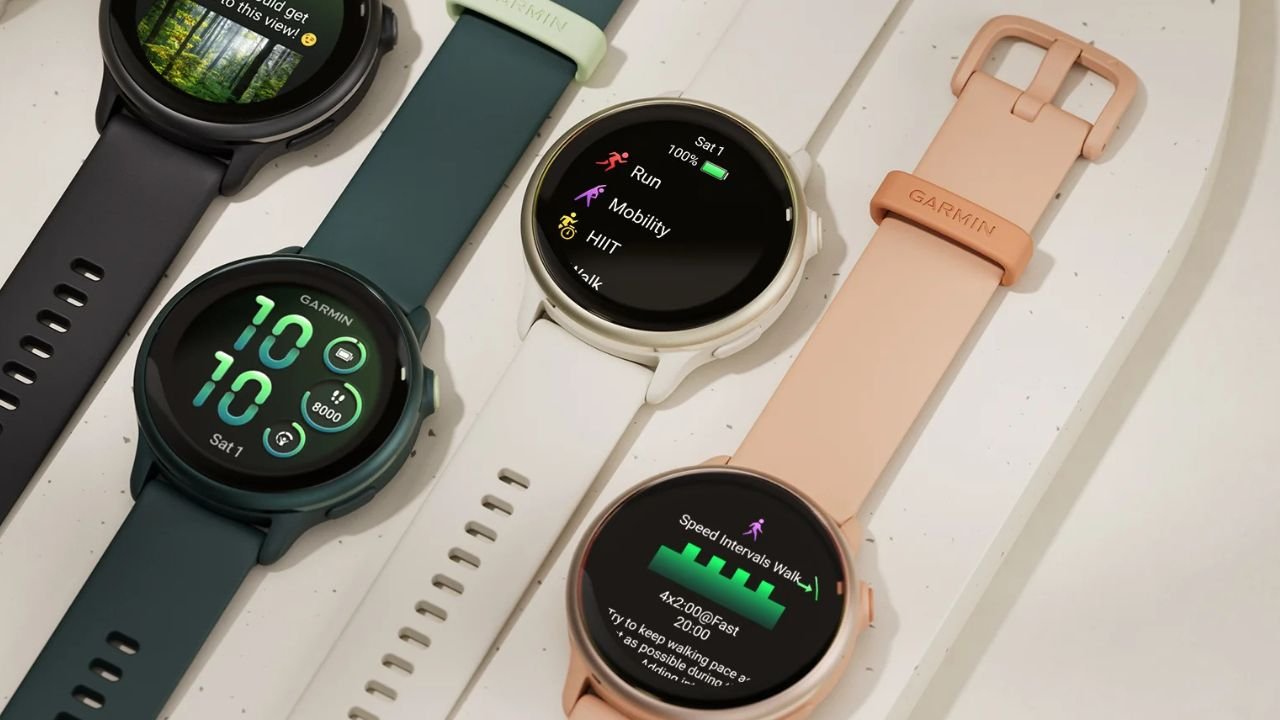
The first thing I noticed about the Garmin Vivoactive 6 is how comfortable it is to wear. The 1.2-inch AMOLED display is bright and easy to read. So I can glance at it while walking between meetings, running errands, or health appointments. It’s light enough that I forget it’s on my wrist. Plus the Corning Gorilla Glass 3 with 5 ATM water resistance means I don’t have to worry about a splash at the sink or a sudden downpour. Honestly, that freedom is one of my favourite things about it.

Comfy to wear

One feature that has quietly changed the way I approach my day is the Body Battery monitoring. Some mornings I wake up feeling like I could tackle anything, and other mornings it nudges me to take it slower. Seeing my energy levels laid out like this has been a real eye-opener. It helps me recognise that resting is not a failure – it’s part of taking care of myself.

Sleep tracking has also been surprisingly useful. I’m far from perfect when it comes to going to bed early. But, the Vivoactive 6 shows me how my sleep patterns affect my energy. On days when my sleep is poor, I know to ease up on intense workouts or build in a few mindful moments. And, when stress hits, the guided breathing exercises are a little reset I can squeeze in anywhere – while my lunch cooks, waiting at the hospital gate or even sitting at my desk. Five minutes of breathing doesn’t sound like much, but it really helps me feel calmer.

The Morning Report has quickly become a part of my routine. Every day it gives me a quick snapshot of sleep quality, heart rate variability and even the weather. It’s a simple way to start the day informed instead of diving in blindly. On chaotic mornings, that tiny bit of structure makes a difference.

Garmin Vivoactive 6 Has Over 80 Sports Modes

The Vivoactive 6 smart watch also has over 80 sports modes, which has been perfect for someone like me who rarely has time to stick to a single workout routine. I’ve done short runs around the neighbourhood, quick yoga flows in the living room and even strength sessions at the park – all tracked accurately. Seeing my progress in real time keeps me motivated, even when I feel pressed for time.

Beyond fitness, the smart features make life a little easier. Garmin Pay means I can grab a coffee or a snack without worrying if I forgot my wallet. Music storage lets me listen to playlists or podcasts without my phone, which is perfect for runs or walks. And, smart notifications keep me connected without being a distraction, so I can focus on what matters but never feel completely out of touch.

Battery life has been another relief. I’ve gone over a week without charging it, so it’s ready when I am. Between work, workouts, and family chaos, I don’t have the bandwidth to keep thinking about my watch. With the Vivoactive 6, I just wear it and it works. For up to 11 days if we’re being precise…

Garmin Vivoactive 6 is My Quiet Companion Tracking My Sleep, Stress & Energy

At the end of the day, the Garmin Vivoactive 6 isn’t about turning me into an elite athlete. It’s about helping me stay active, notice when I need rest and take little moments to care for myself. It’s a quiet companion that tracks movement, sleep, stress, and energy without adding pressure. For women juggling multiple priorities, it’s reassuring to have something that actually fits into the rhythm of life instead of dictating it.

I’ve started moving more, sleeping a bit better, and noticing how small changes in routine affect my energy and mood. It doesn’t fix the chaos of life. But, it makes managing it feel a little more manageable. And for right now, that’s exactly what I need.

The post A Really Honest Review of the Garmin Vivoactive 6 first appeared on Women Love Tech.