Anuncio
Me encanta Orlando
Inicio Blog Página 7

Women Love Reinvention – Facing a New Year When Your Career Identity Has Fallen Apart

Women Love Reinvention – Facing a New Year When Your Career Identity Has Fallen Apart

If you’ve ever stood at the edge of a new year feeling more uncertain than excited, you’re not alone. For many women, the turning of the calendar doesn’t just spark reflection — it can resurface the sting of a year where roles shifted, titles disappeared, or a long-held career identity suddenly felt shakier than ever. It’s a quiet kind of grief, one that rarely gets named but is widely felt.

And that’s exactly what Uma Thana Balasingam, Founder & CEO of The ELEVATE Group, has been hearing from women across the region — stories of restructuring, reinvention, and the messy middle between who we were and who we’re becoming. In the piece below, she opens up about her own “careerquake,” the lessons in the rubble, and why losing a title might just be the beginning of finding yourself again.

Here’s her powerful reflection.

As the year winds down, many women feel a mix of reflection and uncertainty. The approaching new year often brings anticipation, but for those experiencing upheaval, it can also evoke a deep sense of loss. Over the past months, my inbox has become a diary of stories – layoffs, reorganisations, quiet heartbreaks. The messages are varied, but the core theme remains the same: a sudden seismic shift in career and identity.

It’s common to think that our professional worth is tied to our titles or roles. Yet, when the ground beneath us shifts, whether through layoffs, restructuring, or unexpected changes – the core truth emerges: resilience isn’t built on titles, but on the people and purpose we cultivate along the way.

The Unexpected Seismic Shift

I had dreamt of becoming a CEO since I was nine years old, inspired by reading business magazines and imagining a future of leadership and impact. By the time I reached the top, I believed I’d find fulfilment at the summit. But the reality was different.

My careerquake arrived at the end of 2023, a sudden departure from the corporate world after 25 years. It wasn’t just losing a job; it was losing the version of myself that thrived in that role: the woman who woke up to a full calendar, who led strategic meetings, who people looked to for answers. I remember standing in my kitchen, staring at my laptop. No emails. No meetings. Only a blank Google Doc and a silence unfamiliar and unsettling.

A careerquake isn’t merely a layoff. It’s a seismic personal shift—a rupture that cracks open your sense of identity, routine, and purpose. It arrives unannounced, leaving you disoriented and questioning everything you once held dear. But what I’ve come to understand is that these moments, while painful, are also deeply instructive.

What Is a Careerquake?

A careerquake is a moment when everything you thought was stable begins to crumble. It shakes more than your income—it shakes the foundation of who you are and what you believe matters. It strips away the routines, the perceived achievements, and the sense of certainty. Like an earthquake, it arrives without warning, and its aftermath can be both chaotic and revealing.

But here’s a vital truth: if you’re experiencing a careerquake, you are not broken. And you are not alone.

The Hard Lessons in the Rubble

  1. Face the shake-up head-on.
    Careerquakes aren’t problems, they’re opportunities disguised in chaos. Running from them means avoiding growth. The shifting ground is a sign you’re ready for something new.
  2. Lean into the discomfort.
    The quake signals that your old ways aren’t serving you anymore. Growth begins where discomfort resides. Get comfortable being uncomfortable; it’s where transformation happens.
  3. Let go of your old identity.
    You’re not the same person you were a year ago, so your career shouldn’t be static. These seismic shifts demand change – be willing to shed your former self to rise anew.
  4. Stop playing small.
    Careerquakes expose your limits – smash them. Think bigger. Don’t wait for permission to make bold moves. If you’re not shaking things up, you’re missing the point.
  5. Rebuild from the rubble.
    View the chaos not as failure, but as fuel for your next chapter. Start fresh, purpose-driven, and intentional. Use the wreckage to lay the foundation for something better.
  6. Embrace uncertainty.
    Waiting for everything to stabilise before acting keeps you stuck. Uncertainty is your ally; there, master opportunities and discover your true potential.
  7. Learn to thrive amidst chaos.
    Stability is overrated. The most successful thrive when unpredictability reigns. Be that person. A careerquake isn’t a threat, it’s your edge.
  8. Redefine success on your terms.
    Forget the traditional ideals of promotions and titles. Success in a careerquake is freedom, reinvention, and impact. Define your own version.
  9. Use chaos to create opportunities.
    Careerquakes tear down old systems – use the space to build anew. Whether a new role, side hustle, or full pivot, the quake signals your green light.
  10. Stop waiting for the perfect moment.
    It doesn’t exist. Waiting for everything to fall into place means waiting forever. The best moves happen when things are uncertain. Embrace the ride and make your move.

Reinvention Isn’t Just About Titles

When I left the tech world, I thought reinvention would be about building something new — a company, a brand, a title. It wasn’t. Real reinvention starts when the titles fall away — when you strip back the noise, the armour, and meet yourself again. Who am I without the role?

I won’t pretend I have it all figured out. On some days, I still panic — especially when that time of the month rolls around and all the bills are due. But that’s part of the journey. Because this might be my second act… and I’m certain there’s a third, maybe even a fourth, still in me.

Since leaving tech, I’ve built a life around elevating women in leadership and helping people turn career breakdowns into breakthroughs. And honestly, I’ve never felt more aligned — even in the chaos.

If this speaks to where you are right now, reach out. I’d love to talk reinvention. Reach out on uma@elevateasia.org

The post Women Love Reinvention – Facing a New Year When Your Career Identity Has Fallen Apart first appeared on Women Love Tech.


Is ChatGPT the New Therapist? Why Australians Are Turning to AI for Advice

Is ChatGPT the New Therapist? Why Australians Are Turning to AI for Advice

It’s 2025, and therapy now comes with a blinking cursor. Across Australia, more and more people are whispering their worries not to a counsellor on a couch, but to ChatGPT. The shift is staggering — a 167 per cent rise in online searches for “ChatGPT therapy” this year alone, with more than 8,000 Australians each month asking the algorithm to listen, reassure, and perhaps even heal.

In a country where Medicare caps continue to limit access to psychology sessions and the cost of living has stretched emotional resilience thin, it’s little wonder that an always-on, no-fee digital confidant feels like a lifeline. But can a chatbot truly soothe the human psyche — or is Australia’s growing reliance on AI for emotional support a quiet cry for help in itself?

Neuroscientist and longevity researcher Dr Brian Ramos has been observing the trend with both fascination and caution. “People are struggling to access affordable therapy at the very time they need it most,” he says. “ChatGPT can help bridge the gap for those with lighter or sub-clinical needs, or even as an extra layer of support for those already under professional care. But it can’t replace the human connection that defines real therapy.”

Dr Ramos, who works with cognitive-enhancement brand Simply Nootropics, believes AI-assisted therapy sits somewhere between mindfulness app and mirror — helpful when used with intention, but risky when treated as a stand-in for human touch.

“It’s a supplement, not a substitute,” he stresses. “If it helps your well-being and your wallet, use it wisely. But don’t rely on it when your mental health requires medication, therapy or community.”

The Comfort of Code

In a sense, ChatGPT has become the therapist who never sleeps. For many, it’s the gentle reminder to breathe between meetings, the late-night voice of reason when anxiety strikes at 2 a.m. Dr Ramos says one of its greatest strengths lies in immediacy: “AI is in your pocket and accessible, which is crucial if you feel panic or anxiety rising and can’t reach a friend or therapist. It can walk you through guided breathing, mindfulness prompts, or reframing exercises that can help break stress cycles before they take hold.”

For those striving to build better habits, the technology doubles as an accountability partner. It can prompt users to hydrate, take breaks, or set sleep boundaries — “micro-habits,” as Ramos calls them, that quietly compound into meaningful change.

Even confidence, that most human of struggles, has found a digital rehearsal space. “If you dread confrontation or stage fright, ChatGPT can role-play scenarios and give feedback,” he explains. “It’s like practising in front of a mirror that talks back — with no judgement.”

Perhaps most fascinatingly, AI makes complex psychology accessible. From explaining the principles of Cognitive Behavioural Therapy to translating grounding exercises into plain English, it brings professional tools to people who might never have the means to access them otherwise. But, as Ramos notes, “Lacking human nuance, it may not always be appropriate or accurate. That’s why external guidance remains essential.”

ChatGPT Therapy
Neuroscientist, Dr Brian Ramos, warns of the pros and cons of the new, ‘cheaper’ mental health support alternative, especially as reports of AI-induced mental health conditions are also on the rise.

When the Screen Becomes Too Still

Yet beneath the promise lies a warning. AI cannot replicate empathy — that ineffable sense of being seen. “It lacks the ethical duty of care and emotional resonance that a real therapist provides,” Ramos cautions. “There’s also the risk of overly generic advice or, worse, reliance in moments of crisis.”

Indeed, reports of “ChatGPT psychosis” — cases where individuals blur the line between AI and reality — have begun surfacing online. “If you’re in severe distress, experiencing delusions, addiction, or non-functioning depression, AI isn’t the answer,” Ramos says firmly. “Community and humanity are crucial in recovery.”

What begins as comfort can, if unchecked, become compulsion — a kind of digital dependency that feeds the loneliness it was meant to soothe. “Know when enough is enough,” Ramos advises. “If your mental health requires more than gentle reminders or CBT prompts, step away and seek proper care.”

The Future of Therapy, Rewritten

The rise of ChatGPT therapy signals a profound cultural shift — one that mirrors our times: hyper-connected, over-worked, and under-supported. Australians are not just seeking therapy; they are seeking someone — or something — to listen.

AI can play that role for now, providing a mirror when the world feels unresponsive. But it remains just that: a mirror. Reflective, not relational. Helpful, but hollow. As Dr Ramos reminds us, “ChatGPT may be a bridge to better well-being — but it must lead us back to each other.”

Because while the future of therapy may be written in code, the language of healing will always be human.

The post Is ChatGPT the New Therapist? Why Australians Are Turning to AI for Advice first appeared on Women Love Tech.

How To Prepare Your Teens For Life Post Social Media Ban

How To Prepare Your Teens For Life Post Social Media Ban

With Australia set to ban social media for under-16s this December, the conversation around digital safety is suddenly more urgent than ever. Social media has become as much a part of teenage life as school, sport, and hanging out with friends, but the online world is far from simple. When teens finally reach the age to log back on at 16, will they really be prepared? Will they know how to spot scams, protect their personal information, or navigate a landscape that feels more complex and high-stakes than ever before?

It’s easy to assume that turning off social media until a certain age is the answer, but experts are clear: restrictions alone won’t make the online world safe. Teens need more than rules – they need knowledge, confidence, and practical skills. That’s where programs like KnowBe4’s Student Edition step in, offering a structured, age-appropriate way to equip young people with the tools they need to protect themselves and thrive online.

KnowBe4’s Student Edition is built for ages 16 and up, tackling everything from phishing and credential theft to sextortion, doxing, oversharing, and financial scams. It’s a comprehensive program, but it doesn’t feel like homework. Teens work through realistic, interactive scenarios that teach them to identify risks and make smart choices. Instead of lecturing on what not to do, it empowers them to understand why certain behaviours are risky and how to respond. The result is confidence – a sense that they can enjoy the benefits of the digital world without constantly worrying about falling prey to online threats.

One of the standout features of the program is how it turns learning into a social experience. Teens don’t just absorb information – they discuss it, challenge each other, and share tips on spotting phishing emails or suspicious links. The lessons become collaborative, fostering a sense of community and turning digital literacy into a social skill. It’s learning in action, with students teaching one another and reinforcing best practices in a way that sticks. For younger kids aged five to 15, KnowBe4 also offers a free Interactive Cybersecurity Activity Kit. This gives parents and educators a playful, hands-on way to introduce basic online safety concepts before teens even reach the age where social media access is allowed.

Social Media Ban

The stakes are high. Digital missteps can have serious consequences, from stolen identities and hacked accounts to emotional harm from cyberbullying or exposure to harmful content. By equipping teens with these skills, the program is helping them navigate these challenges safely, so they can experience the positives of social media – connection, creativity, and community – without the stress. As experts point out, feeling confident and capable online is as important for today’s teens as staying healthy and active offline.

The numbers speak for themselves. KnowBe4 has now trained over one million students through its Student Edition, giving teens worldwide the chance to build these critical skills. And the impact is tangible. Students report not only feeling safer online but also more empowered. They are able to spot phishing attempts, understand how to protect personal information, and identify potential threats before they escalate. These aren’t just lessons for online safety – they are life skills that translate into better decision-making and critical thinking in all areas.

The program goes beyond mere compliance with a social Media Ban, turning cybersecurity awareness into an ingrained part of campus culture. Schools and universities that implement it are seeing students engage enthusiastically with the material, sharing insights and even teaching peers. It’s not just about preventing harm – it’s about building a generation of digitally literate, confident, and empowered young people who understand how to use technology safely and responsibly.

For parents, educators, and teens themselves, this is a vital shift. With social media now embedded in daily life, giving young people the tools to navigate it safely is crucial. Programs like KnowBe4’s Student Edition take a proactive approach, replacing fear and restriction with confidence and knowledge. Teens are learning to enjoy the online world on their terms, equipped to make smart decisions and protect themselves, their friends, and their communities.

In a world where screens dominate social life, knowing how to be safe online isn’t optional – it’s essential. As Australia prepares to reopen social media to a new generation of 16-year-olds, initiatives like this will help ensure that logging on isn’t a moment of anxiety but an opportunity for connection, creativity, and empowerment. And in the end, that’s exactly what we want for our teens: not just safe users, but confident, savvy, and resilient digital citizens ready to take on the online world with their heads held high.

The post How To Prepare Your Teens For Life Post Social Media Ban first appeared on Women Love Tech.

JLo’s Favourite Facial Just Got a Tech Upgrade

JLo’s Favourite Facial Just Got a Tech Upgrade

Although JLo continues to deny going under the knife (crediting instead her glorious glow to olive oil!), we’re sceptical that a splash of salad dressing is all it takes to reverse the clock by 15-20 years. And, so, while we wait for a tell all reveal by a Hollywood surgeon, in the meantime we think it’s time Ms Lopez gave a little extra credit to her other favourite facial treatment – the Hydrafacial – which just got a major tech upgrade via the new Syndeo system. And suddenly both suburban mums and triple threat super stars have can get access to an A-List skin treatment strategy.

Like its predecessor, the Hydrafacial Syndeo cleanses, exfoliates, extracts, and hydrates, leaving your skin instantly smoother, brighter, and ridiculously soft. The magic behind this is the vortex-Fusion technology, which sweeps away impurities while infusing your skin with hydrating serums. The result is a glow that’s visible immediately, with zero downtime.

But the Syndeo isn’t about one-size-fits-all treatments. Every face is unique, so why should your facial be the same as the person next to you? This upgraded system is completely customizable, allowing practitioners to target everything from fine lines and dullness to acne scars and hyperpigmentation. Add in LightStim Elipsa LED therapy, and you’ve got a treatment that helps smooth wrinkles, reduce inflammation, and calm acne-prone skin all in one session.

What really sets Syndeo apart is the way it combines spa-like indulgence with cutting-edge tech. Behind the scenes, the cloud-based system tracks your skin’s history, preferences, and concerns, so each visit builds on the last. Gesture control lets practitioners move seamlessly through treatment steps while keeping everything sanitary, and the lightweight, all-in-one handpiece makes the experience smooth and efficient.

And if you like a little extra indulgence, the treatment can be paired with enhancement boosters packed with peptides, antioxidants, and brightening agents, perfect for targeting specific concerns and taking your glow to the next level.

It’s no wonder Hydrafacial is globally adored. Every 12 seconds someone gets a Hydrafacial, with 3.5 million treatments performed each year. Surveys show 92 percent of clients would switch estheticians if they didn’t offer it, and nearly every client who tries a series would recommend it to friends or family. In other words, it’s not just a facial, it’s a ritual people crave.

The Hydrafacial Syndeo also makes the experience comfortable, relaxing, and addictive. You’ll leave with skin that feels plump, hydrated, and radiant, and chances are you’ll be booking your next session before you even leave the clinic. The combination of visible results, smart technology, and personalised care makes it the kind of treatment that feels as luxurious as it is effective.

In short, the Hydrafacial Syndeo isn’t just another celebrity-endorsed treatment – it’s the one that might finally explain how JLo keeps that olive-oil glow. And honestly, if it’s good enough for Jenny from the Block, it’s probably good enough for the rest of us too.

The post JLo’s Favourite Facial Just Got a Tech Upgrade first appeared on Women Love Tech.

Why Gen Z Are Saying “Bye Now” to Credit Cards and “Buy Now, Pay Later” Instead

Why Gen Z Are Saying “Bye Now” to Credit Cards and “Buy Now, Pay Later” Instead

Turns out Gen Z don’t just march to the beat of their own playlist — they’re also swiping to their own financial rhythm. New research from PayPal’s 2025 eCommerce Index has revealed a massive generational shift in the way Aussies are paying for their online shopping sprees. And if you thought credit cards were the go-to, think again.

More than one in three Australians (37%) have used a Buy Now, Pay Later (BNPL) service in the past six months, a jump of 11% compared to last year. But the biggest surprise? Gen Z are officially leading the charge. For the first time, more Gen Z shoppers are checking out with BNPL (38%) than credit cards (32%). Yep, the youngest generation of adult consumers are saying “credit, who?” and choosing flexibility instead of interest.

PayPal’s own BNPL offering, PayPal Pay in 4, has had a particularly big year, growing its customer base by 13% and now used by more than half (51%) of BNPL shoppers in Australia. That’s a lot of Aussies splitting their payments into bite-sized chunks and keeping their budgets — and bank balances — in check.

The Generation Leading the BNPL Boom

While Millennials remain the biggest BNPL users overall (53%), it’s Gen Z who are setting the trends and redefining how we pay. They’re not only choosing BNPL more often, they’re also spending the most — averaging $111 per transaction, ahead of Millennials ($102), Gen X ($99) and Boomers ($93). On top of that, they’re using BNPL more frequently too, clocking in at 3.1 transactions per month on average.

So what’s driving this shift? It’s not that Gen Z are reckless spenders. In fact, the data paints the opposite picture. They’re practical, digitally savvy, and prefer payment methods that give them transparency and control. A huge 81% still use debit cards online, showing they’re steering away from traditional credit and interest fees in favour of flexible, interest-free options like Pay in 4.

“It’s clear Gen Z want flexibility and choice at checkout, which is why PayPal Pay in 4 — with no late fees or interest — is striking such a chord with younger consumers and reshaping how Australians pay online,” says Andrew Toon, General Manager of PayPal Australia’s payments business.

A Budget Lifeline in a Cost-of-Living Crunch

It’s not just the younger generations getting behind BNPL either. Aussies across the board are finding it a handy tool to manage household budgets and stretch their dollars a little further — something that’s especially appealing during today’s cost-of-living pressures.

According to PayPal’s research, 65% of BNPL users say they use it to spread out the cost of larger purchases, while just over half (51%) say it helps them manage their budget and cashflow. Nearly half (48%) believe BNPL gives them more flexibility than other forms of credit, and 42% find the repayments easier to manage.

In short, Australians aren’t just chasing convenience — they’re chasing control. And as Mr Toon explains, that’s a big part of why PayPal’s own BNPL offering continues to rise. “BNPL use is growing in Australia, not just because it’s convenient, but because it gives people real flexibility at a time when managing everyday costs matters more than ever,” he says.

Shop Smart, Win Big

If you needed another reason to give BNPL a go, PayPal’s throwing in a little extra incentive. From November 4, PayPal Pay in 4 customers will have the chance to win one of 500 cash prizes worth $1,000 each — that’s a total prize pool of half a million dollars.

To enter, customers just need to follow @PayPalAU on Instagram, drop a blue heart emoji on the weekly post, make at least one Pay in 4 purchase during that week, and DM their PayPal email. Each week, 100 winners will be randomly drawn and receive $1,000 straight into their PayPal account. Not a bad reward for doing what you were already going to do — shop.

So, whether you’re snagging summer fashion, pre-ordering the latest tech, or just treating yourself to a cheeky online haul, it’s clear Aussies are saying a firm goodbye to traditional credit and hello to interest-free flexibility. And if Gen Z have anything to say about it, the future of finance is looking a lot more buy-now than pay-later.

The post Why Gen Z Are Saying “Bye Now” to Credit Cards and “Buy Now, Pay Later” Instead first appeared on Women Love Tech.

The L’Oreal Beauty Tech Innovation Program Giving This Aussie Brand A Chance … Because They’re Worth It

The L’Oreal Beauty Tech Innovation Program Giving This Aussie Brand A Chance … Because They’re Worth It

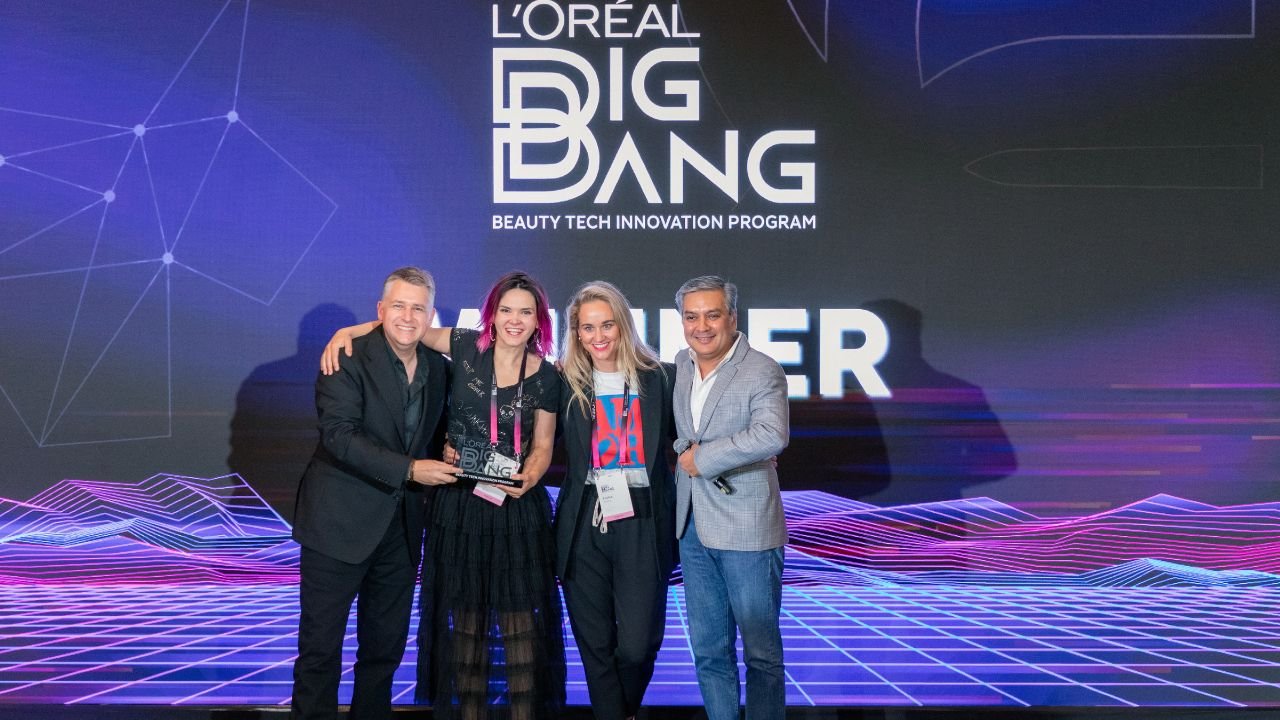
Once upon a time, beauty and technology lived in separate worlds – one about lipsticks and lotions, the other about laptops and lines of code. But in 2025, the worlds are colliding, and it’s looking a whole lot more glamorous. At the centre of it all is an Australian startup called Heatseeker, which just caught the eye of global beauty powerhouse L’Oreal.

Selected as one of just six companies across the SAPMENA (South Asia Pacific, Middle East and North Africa) region for the L’Oreal Big Bang Beauty Tech Innovation Program, Heatseeker is stepping onto the global beauty stage in the most glamourous of ways.

Co-founded by Kate O’Keeffe, Fiona Triaca (main feature image) and Rutger Coolen, Heatseeker uses AI-driven consumer insights to help brands understand not only what people buy, but why. By analysing social media behaviour, cultural trends and emotional triggers, the platform gives brands a real-time snapshot of what beauty lovers actually care about – whether that’s sustainable packaging, multi-purpose products, or that viral mascara everyone’s duetting on TikTok.

This approach transforms how beauty companies test and launch products. For decades, most research relied on focus groups, questionnaires, and guesswork. Now, Heatseeker provides real behavioural evidence, showing what customers do, not just what they say.

L'Oreal Big Bang Beauty Tech Innovation Program
Lex Bradshaw-Zanger (Chief Digital and Marketing Officer for L’Oreal Groupe SAPMENA), Kate O’Keeffe (Heatseeker Co-Founder), Fiona Triaca (Heatseeker Co-Founder), and Vismay Sharma (President of SAPMENA at L’Oréal Groupe).

And L’Oreal, long known for its forward-thinking approach to innovation, clearly took notice. Through the Big Bang Beauty Tech Innovation Program, the brand scouts and supports visionary startups that are reshaping how consumers discover, shop, and experience beauty. Think AI-driven personalisation, virtual try-ons, and sustainability solutions that make the future of beauty smarter, more inclusive, and more attuned to real consumer needs.

For Heatseeker and its all-female-led team, being part of the program is more than a milestone – it’s a confirmation of their vision. “We’ve always believed that technology can make beauty more inclusive and authentic,” says the team. “To be recognised by L’Oreal for that vision is incredibly empowering.”

The collaboration will see Heatseeker working closely with L’Oreal’s experts to refine its platform, scale its technology, and potentially integrate insights across some of the world’s biggest beauty brands. For consumers, it could mean more personalised products, smarter recommendations, and campaigns that genuinely understand us – not just sell to us.

It’s a glimpse into a future where beauty isn’t dictated by trends, but guided by evidence and connection. Where every swipe, click and scroll helps brands create something meaningful, personal, and yes, more worth it.

Because if there’s one thing this partnership proves, it’s that innovation is beautiful – and we’re all worth it !

The post The L’Oreal Beauty Tech Innovation Program Giving This Aussie Brand A Chance … Because They’re Worth It first appeared on Women Love Tech.

The Wellness App That (Literally) Fits Into Your Life

The Wellness App That (Literally) Fits Into Your Life

Some days, wellness feels like just another impossible thing on your to-do list. Between work, family, and carving out a moment for yourself, who has time for gym sessions, meal prep, and meditation all at once? That’s where Fit+ comes in – a holistic wellness app designed to help you care for your mind and body without turning your life upside down.

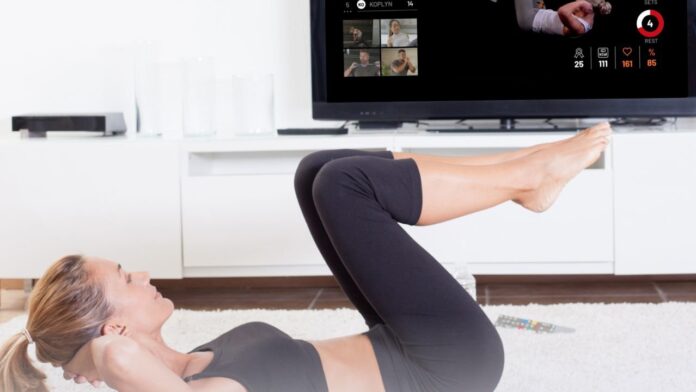
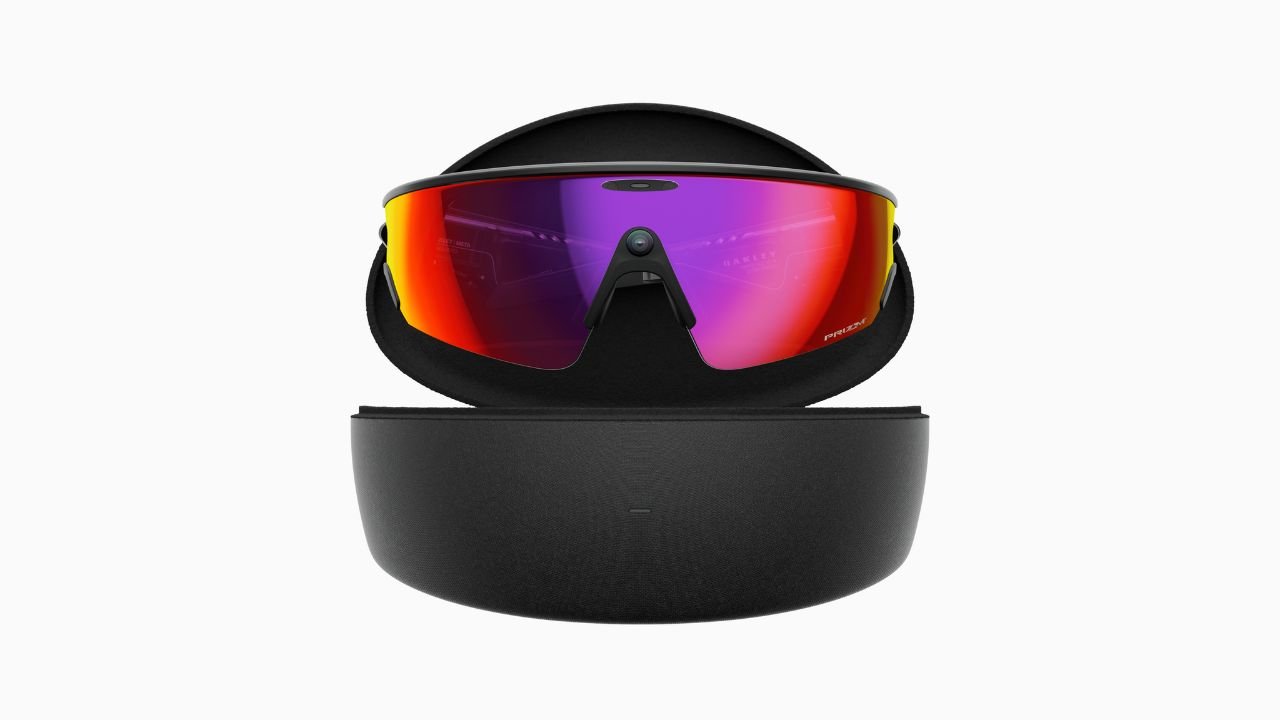
Fit+ blends movement, nutrition, and mindfulness in a way that actually fits into real life. Workouts are quick, expert-led, and require no equipment, so you can squeeze in a session in your lounge, office, or even at the park. There’s even a video call function so you can move with a friend, turning exercise into something social, motivating, and, surprisingly, fun. On the nutrition side, Fit+ offers family-friendly meal ideas and weekly shopping lists, so eating well doesn’t become another full-time job. It’s about making healthy living simple, satisfying, and realistic.

The app isn’t just about looking a certain way. It’s backed by more than 30 years of plant-based nutrition research, supporting energy, mood, and overall wellbeing. By combining wholesome, minimally processed foods with movement and mindfulness, Fit+ focuses on real results for real people. It’s wellness that meets you where you are, whether you have ten minutes or an hour, and helps you build habits that actually last.

This approach is what makes Fit+ feel different. It’s not prescriptive, it’s not overwhelming, and it doesn’t make you feel guilty for living a busy life. Instead, it helps you make small, consistent choices that add up to better energy, better mood, and a healthier body and mind. The app even includes a progress tracker to celebrate all your wins, from hitting a step goal to simply showing up for yourself that day.

To mark the rebrand, Fit+ is offering a free 10-day trial through the Move More Challenge, giving you a chance to explore workouts, meal plans, and wellness tools without committing. Whether you’re a busy parent, a professional on the go, or someone simply trying to feel better in your own skin, Fit+ is designed to integrate seamlessly into your life. It’s an all-in-one approach to wellness that helps you move more, eat better, and live more mindfully.

Available on Apple and Android for $28.25 per month, or roughly $1 a day, Fit+ proves that caring for your mind and body doesn’t have to be complicated. It’s about making space for yourself, feeling good, and building lasting habits that work for your life, not against it.

The post The Wellness App That (Literally) Fits Into Your Life first appeared on Women Love Tech.

Australia’s Experts Say It’s Time to Make Social Media Safer … And They’ve Got a Plan

Australia’s Experts Say It’s Time to Make Social Media Safer … And They’ve Got a Plan

We’ve all heard the saying “comparison is the thief of joy”. But. in the age of scrolling, swiping and endless filters, it’s also quietly become a public health concern. Now, Australia’s leading body image experts are sounding the alarm, saying social media reform needs to go beyond age bans. And straight to the source of the problem. This month, the National Taskforce for Social Media, Body Image and Eating Disorders presented the Federal Government with an urgent set of recommendations aimed at making social media safer for everyone. Especially young Australians. The move follows the Government’s recently announced ban on social media for under-16s. A move which experts have welcomed as a start, but say doesn’t go far enough.

The data is sobering. Exposure to appearance-based content is directly linked to body dissatisfaction, poor mental health and, in some cases, the onset of eating disorders. Since 2012, eating disorders among Australians aged 10–19 have risen by 86%. The Butterfly Foundation’s National Helpline has seen a staggering 275% surge in calls across all age groups in that same period.

At Parliament House, hosted by MP Zali Steggall OAM, alongside co-chairs Susan Templeman MP and Andrew Wallace MP, the National Taskforce for Social Media revealed five actionable steps to make online spaces healthier and less harmful. Among them: the removal of pro–eating disorder and cyberbullying content, greater algorithm transparency, and giving users the ability to reset their feeds or filter triggering content.

“These are clear, achievable changes that could make a huge difference,” said Dr Hannah Jarman, Chair of the Taskforce. “Almost 90% of young people in Australia worry about their body image – and social media is a major contributor. Our goal is to protect their mental health by holding platforms accountable for the content and algorithms shaping young minds.”

New research presented by Dr Jasmine Fardouly from the University of Sydney shows the public overwhelmingly agrees. According to the findings, 90% of Australians support the option to reset recommender algorithms, 86% want cyberbullying and appearance-based abuse removed, and 85% back transparency and independent audits of social media algorithms.

For Varsha Yajman, a National Taskforce for Social Media member with lived experience of an eating disorder, the recommendations hit close to home. “Social media had a huge impact on the development of my eating disorder,” she said. “Even with the ban in place, both platforms and creators still have a responsibility to make digital spaces safer. You don’t suddenly become social media savvy the day you turn 16.”

MPs across parties echoed the urgency. “Social media is taking a serious toll on the body image and mental health of young Australians,” said Andrew Wallace MP. “If Big Tech won’t clean up its act, the Government must step in and do it for them.”

The message from experts, advocates and those with lived experience is clear. It’s time for social media to stop being a beauty contest and start being accountable.

Because when algorithms profit off insecurity, it’s not just self-esteem that suffers – it’s lives.

For the full recommendations from the National Taskforce for Social Media, visit butterfly.org.au.

If you or someone you know needs support, contact:

  • Butterfly National Helpline: 1800 33 4673 (1800 ED HOPE) or support@butterfly.org.au
  • Eating Disorders Victoria Helpline: 1300 550 236
  • Lifeline: 13 11 14 (for urgent support)

The post Australia’s Experts Say It’s Time to Make Social Media Safer … And They’ve Got a Plan first appeared on Women Love Tech.

Meta’s Chic New Smart Shades Are the Ultimate Summer Accessory

Meta’s Chic New Smart Shades Are the Ultimate Summer Accessory

Good news tech tech-loving fashionistas! This Summer, you don’t have to choose between your smartphone and your style. In fact, you can have both perched right on your nose. Forget clunky gadgets that clash with your outfit – Meta’s new fashion-forward eyewear proves that brains and beauty really can go hand in hand.

Teaming up with Ray-Ban and Oakley, Meta has dropped three seriously chic pairs of smart sunglasses – the Ray-Ban Meta (Gen 2), Oakley Meta Vanguard and Oakley Meta HSTN – that fuse cutting-edge AI with iconic design. Built for long summer days, golden-hour selfies and weekends that roll from brunch to beach club, these are the shades that see (and hear) it all.

Ray-Ban Meta (Gen 2): Timeless Meets Tech-Savvy

Ray-Ban’s iconic frames just got a futuristic upgrade. The new Ray-Ban Meta (Gen 2) merges the label’s most coveted silhouettes with Meta’s cutting-edge AI smarts. Expect up to eight hours of battery life (plus a stylish charging case that adds another 48), discreet open-ear speakers, and a custom five-mic array for crystal-clear calls and recordings.

Voice control, instant sharing, and new focus features make these sunnies your social sidekick. Whether you’re documenting a holiday escape or tuning into your favourite playlist, they do it all – hands-free. From AUD $599 via Meta and Ray-Ban online.

Oakley Meta Vanguard: The Sport-Luxe Showstopper

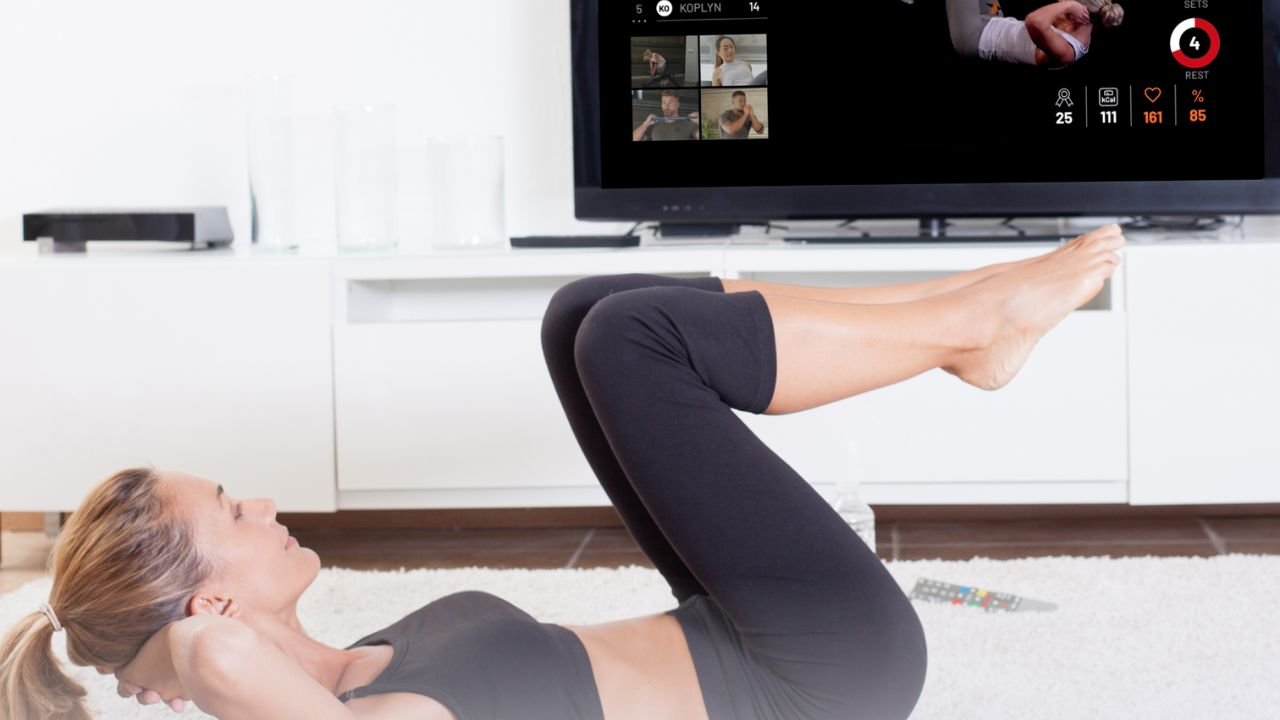
Part high-performance eyewear, part cinematic POV camera – Oakley Meta Vanguard is made for movers, makers and early risers. With up to nine hours of battery life, 3K video (complete with Slow Motion and Hyperlapse), and live Garmin and Strava integration, these smart sunnies redefine activewear chic.

Sculpted lines, bold edges and that unmistakable Oakley energy make them equal parts adrenaline and aesthetic. Starting at AUD $789, available via Meta and Oakley online.

new Meta Smart Shades
The Oakley Meta Vanguard

Oakley Meta HSTN: Everyday Cool, Amplified

A sleek essential for those who like their tech subtle but smart. The Oakley Meta HSTN fuses the brand’s street-style DNA with Meta’s always-on connectivity. Featuring a built-in AI voice assistant, hands-free 12MP camera, and immersive open-ear audio that links to Spotify or Apple Music, they’re the multitasking accessory you didn’t know you needed.

With up to 48 hours of power via the fast-charging USB-C case, they’re built to keep up with you – from morning coffee runs to rooftop sunsets. Available from AUD $629 via Meta and Oakley online.

With their effortless blend of style and substance, Meta’s new eyewear collection proves you no longer need to sacrifice fashion for function. These aren’t just sunglasses – they’re smart, sleek, and sun-ready statements for a very clever summer ahead.

The post Meta’s Chic New Smart Shades Are the Ultimate Summer Accessory first appeared on Women Love Tech.

Spotify and Messina Scoop Up a Delicious ARIA Pop-Up

Spotify and Messina Scoop Up a Delicious ARIA Pop-Up

Forget the democracy sausage – this election season, Spotify is giving Aussies a brand-new reason to line up and make their vote count. To celebrate the final week of ARIA Awards voting, the streaming giant has teamed up with gelato geniuses Messina for a one-day-only pop-up that’s equal parts creamy and catchy: The ARIA Parlour.

Landing at the corner of Broadway and Mountain Street on Monday, November 10, the pop-up is Spotify’s sweetest way to say “thanks” to music lovers across the country. All you need to do is cast your vote for your favourite artist in the 2025 ARIA Awards on the Spotify app or at ARIA.com.au/vote, show proof, and you’ll be rewarded with a free scoop and a limited-edition “I Voted for the ARIAs” badge.

Because really, who needs a snag when you can have a Troye-senberry Sivan instead?

A Musical Menu Worth Melting For

Each Messina creation is inspired by a 2025 ARIA nominee, blending pop culture with gelato magic in the most Aussie way possible. The line-up is like the playlist of your dessert dreams.

There’s Troye-senberry Sivan, a yoghurt gelato swirled with poached boysenberry coulis that’s as smooth and sweet as the pop prince himself. Then comes Missy Figgins Jam and Amaretti Biscuit, a panna cotta gelato with fig jam and amaretti pieces that feels like one big warm hug from Missy Higgins.

Feeling bold? Blood Oranjirachi Sorbet channels Ninajirachi’s futuristic beats with zesty Redbelly Citrus blood oranges from Griffith. Or maybe you’ll vibe with Raspberry Du Sol, a sorbet that’s deep, rich, and (in Messina’s words) “got some bloody good raspberries in it,” just like the hypnotic sounds of RÜFÜS DU SOL.

For something a little cheeky, there’s Bounty Park Music – a coconut milk gelato packed with desiccated coconut and choc chips, perfectly suited to the sunny, feel-good spirit of Ball Park Music. And finally, Confidence Mango Daiquiri, a mango sorbet made from North Queensland’s finest mangos, bursting with the same high-energy, tropical joy that Confidence Man bring to every stage they dance across.

In short, it’s a line-up so good you’ll want an encore scoop.

Scoops, Songs and Selfies

The ARIA Parlour is serving more than just gelato. It’s a celebration of Australian music – and the fans who make it all happen.

“The ARIA Awards are a celebration of the incredible talent that continues to shape Australian music culture, and we wanted to give fans a fun way to get involved and show their support,” says Ben Watts, Head of Music for Spotify AUNZ. “The ARIA Parlour is our way of saying thanks to everyone helping decide this year’s winners while shining a spotlight on the artists who make Aussie music so special.”

Translation: if you love a scoop as much as you love a good tune, this is your kind of Monday lunch break.

From 12pm to 2.30pm, Spotify will be scooping cones, handing out badges, and bringing together Sydney’s sweetest combo – music and Messina. Think of it as a mini celebration for your tastebuds, complete with that warm fuzzy feeling that comes from supporting homegrown talent. And yes, your Instagram Stories will thank you.

Sweet Tunes and Star Power

It’s all part of the countdown to the 2025 ARIA Awards, happening Wednesday, November 19, at Sydney’s Hordern Pavilion. The show will be streaming live from 5pm AEDT on Paramount+, with red carpet coverage kicking off at 7pm on Channel 10. Expect all the big names, bigger performances, and (of course) plenty of post-show chatter across social media.

So, mark your calendar, grab your mates, and get ready to make your vote count – because this year, your favourite artist could win an ARIA, and you could score a scoop that hits all the right notes.

Monday plans: sorted.

The post Spotify and Messina Scoop Up a Delicious ARIA Pop-Up first appeared on Women Love Tech.